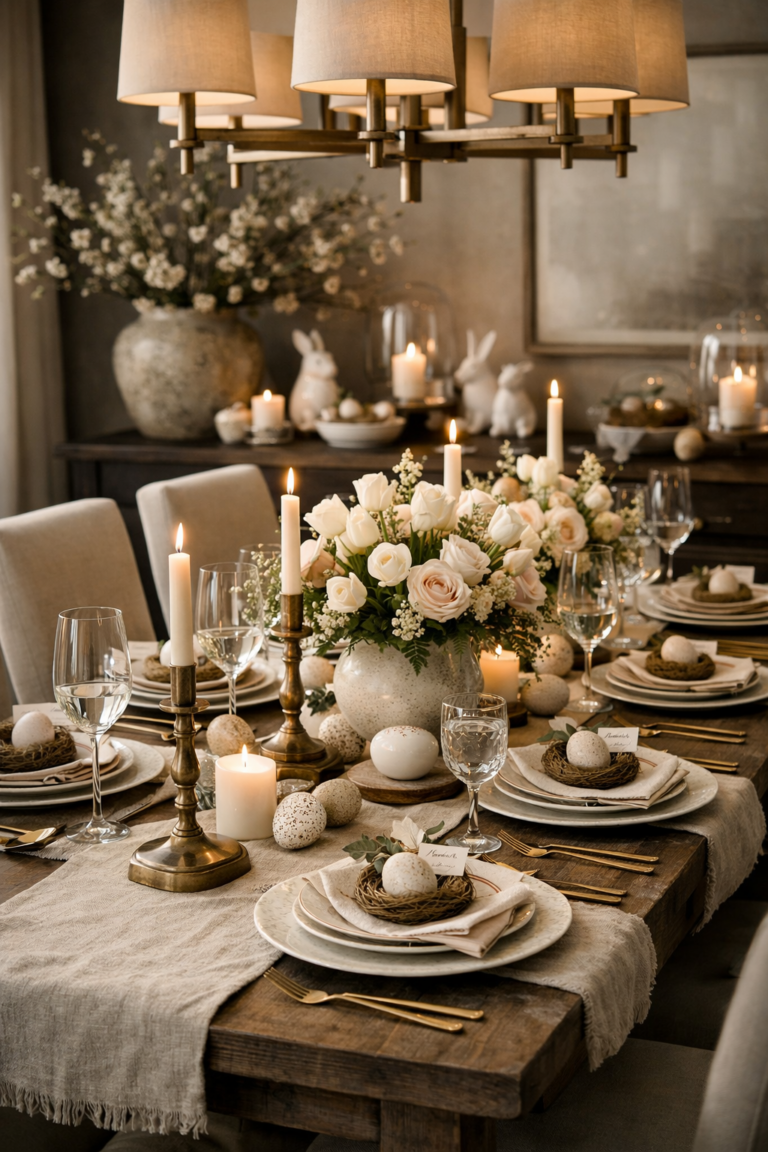
Design Essentials: How to Make a Builder-Grade Home Feel Custom
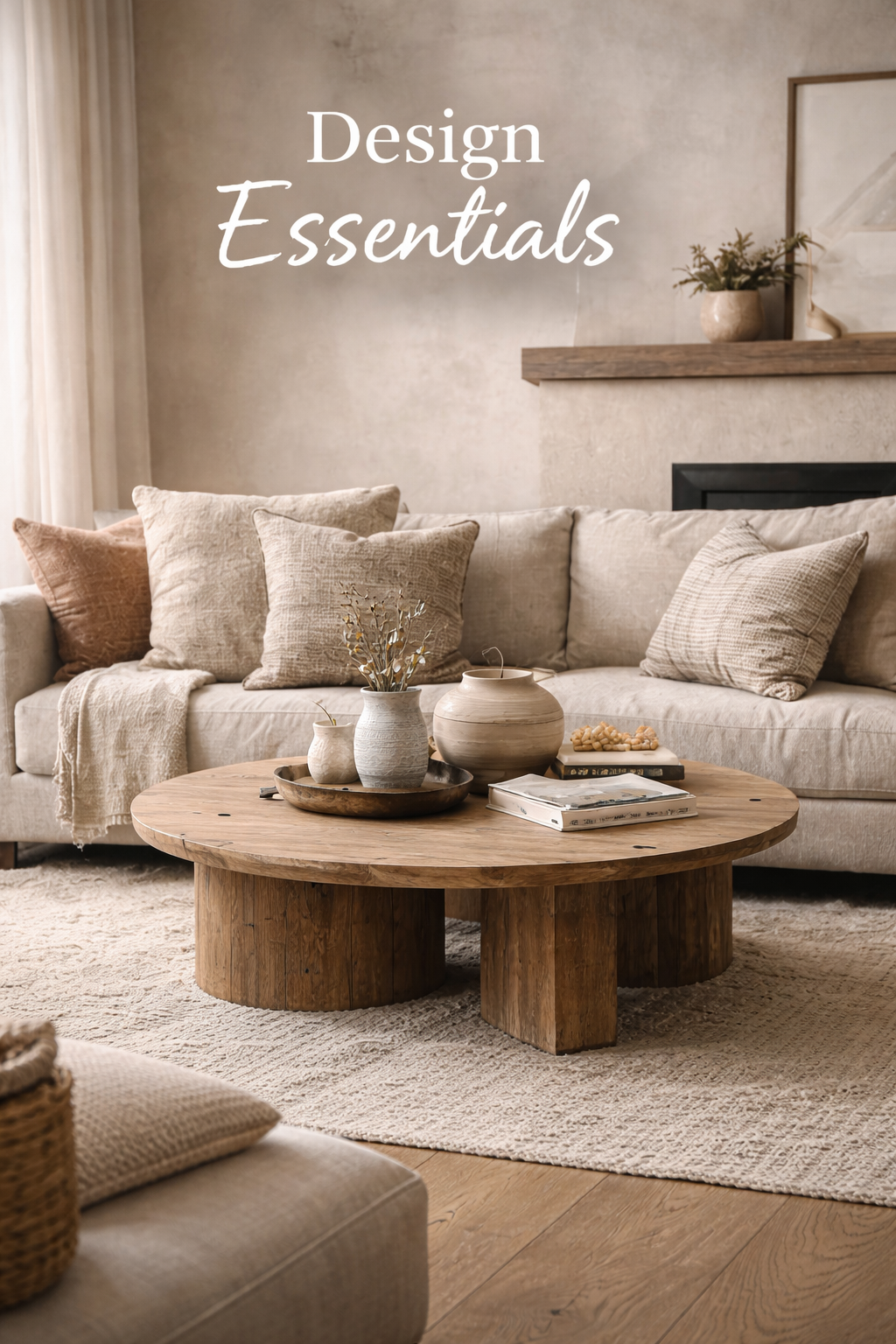
Design Essentials: How to Make a Builder-Grade Home Feel Custom
Foundational choices that elevate any space—no renovation required. The goal isn’t “more decor.” It’s better decisions: proportion, restraint, and repetition that reads as intentional.
A builder-grade home doesn’t need to be “fixed.” It needs to be edited. When a space feels generic, it’s rarely because it lacks charm—it’s because the decisions don’t relate to each other. Custom homes feel high-end for one reason: the details repeat with purpose.
What you’ll learn in this guide
Builder-Grade → Custom Series (Read in any order)
These six articles are designed to work as one connected guide. If you’re new, start here. If you’re troubleshooting a “something feels off” room, jump to the topic that matches your pain point. (Each article links to the others, and all return to the Design hub.)
| Article | Best for | What you’ll fix | Link |
|---|---|---|---|
| 1) Design Essentials: How to Make a Builder-Grade Home Feel Custom | Starting point | Creates a cohesive “custom” baseline without renovation | Read #1 |
| 2) Form & Proportion: The Design Rule That Instantly Makes a Home Feel High-End | Rooms feel “off” | Scale, spacing, balance, and why your layout won’t settle | Read #2 |
| 3) Material & Texture: The Secret to Making Builder-Grade Homes Feel Layered and Luxe | Rooms feel flat | Depth, warmth, finish mixing, and texture mapping | Read #3 |
| 4) Home & Organization: Simple Systems That Make Builder-Grade Homes Feel Intentional | Daily-life clutter | Function as design—zones, drop points, and invisible order | Read #4 |
| 5) An Organic Modern Valentine’s Day Home: Romantic Without Feeling Themed | Seasonal styling | Soft romance that stays elevated (not kitschy) | Read #5 |
| 6) Early Spring Refresh: Lightening Your Home Without a Full Redecorate | Season change | Airier feel with subtle swaps—no full reset | Read #6 |
The “Custom Code”: 5 decisions that make builder-grade feel designed
High-end homes don’t necessarily have more—what they have is repetition with intention. Use this as your filter: if a choice doesn’t strengthen the whole, it’s visual noise.
1Choose a finish family—and repeat it
Custom homes read cohesive because finishes don’t “compete.” Pick one metal direction (warm, cool, or mixed with rules), one wood temperature, and one core neutral. Repeat those choices across rooms.
2Commit to scale (most rooms need fewer, larger pieces)
Builder-grade rooms often feel “small” because the furnishings are underscaled. One properly sized anchor piece instantly looks more expensive than multiple small ones. (If this is your struggle, go straight to Form & Proportion.)
3Use negative space on purpose
Restraint is a luxury signal. Give the eye somewhere to rest: clear surfaces, breathing room around art, and a few intentional “quiet” zones.
4Layer texture before you add color
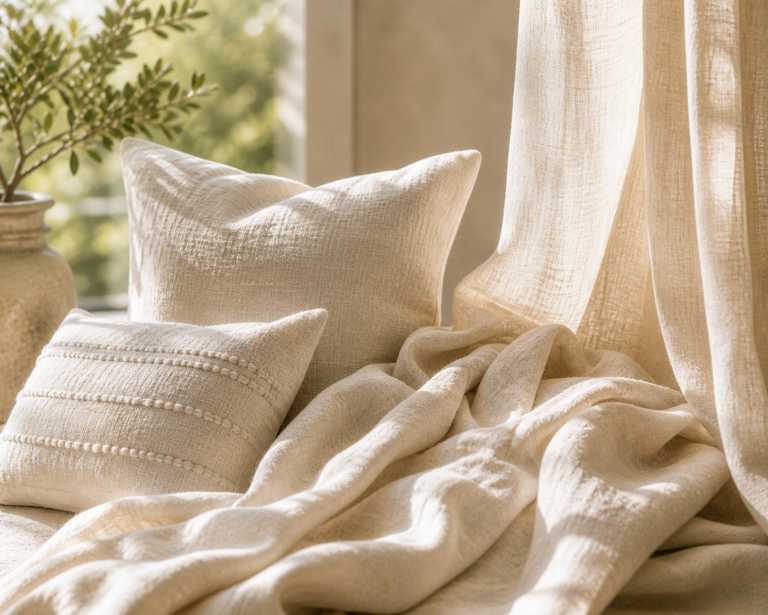
Texture creates depth without clutter. Think matte + sheen, nubby + smooth, soft + structured. When texture is right, color can stay neutral and still feel rich. (More on this in Material & Texture.)
5Design for daily behavior, not a photo
A custom home supports your habits: where keys land, where shoes live, where mail is sorted. When function is handled, the home looks calm—because it is. (See Home & Organization.)
Foundations that quietly look expensive (even in “builder” spaces)
You don’t need a renovation to change the way a home reads. You need a better hierarchy. Start with these foundational moves—then refine with seasonal styling later.
1) Create one “anchor” moment per room
A custom home has a point of view. In each room, pick one anchor: a balanced wall moment, a defined seating layout, or a focal surface that stays edited. Everything else should support that anchor—never compete with it.
2) Reduce visual “micro-noise”
Builder-grade homes often feel busy because of tiny inconsistencies: mismatched temperatures (cool + warm without a rule), too many small objects, and no repeated motif. Edit down. Repeat up.
3) Use symmetry like a quiet luxury tool
Symmetry doesn’t have to be formal. It simply signals intention. Try pairs (two lamps, two frames, two shapes) around a center line. The space reads instantly more tailored.
4) Treat transitions as design
Hallways, landings, and “in-between” zones are where builder-grade shows most. Give them a job: one clean moment, one defined purpose, one consistent finish. (If clutter is the issue, start with Organization.)
Designer mindset
Before you add anything, decide what the room is trying to be: calm, tailored, airy, grounded, romantic, or warm. Custom homes feel custom because the choices are aligned with a clear intention.
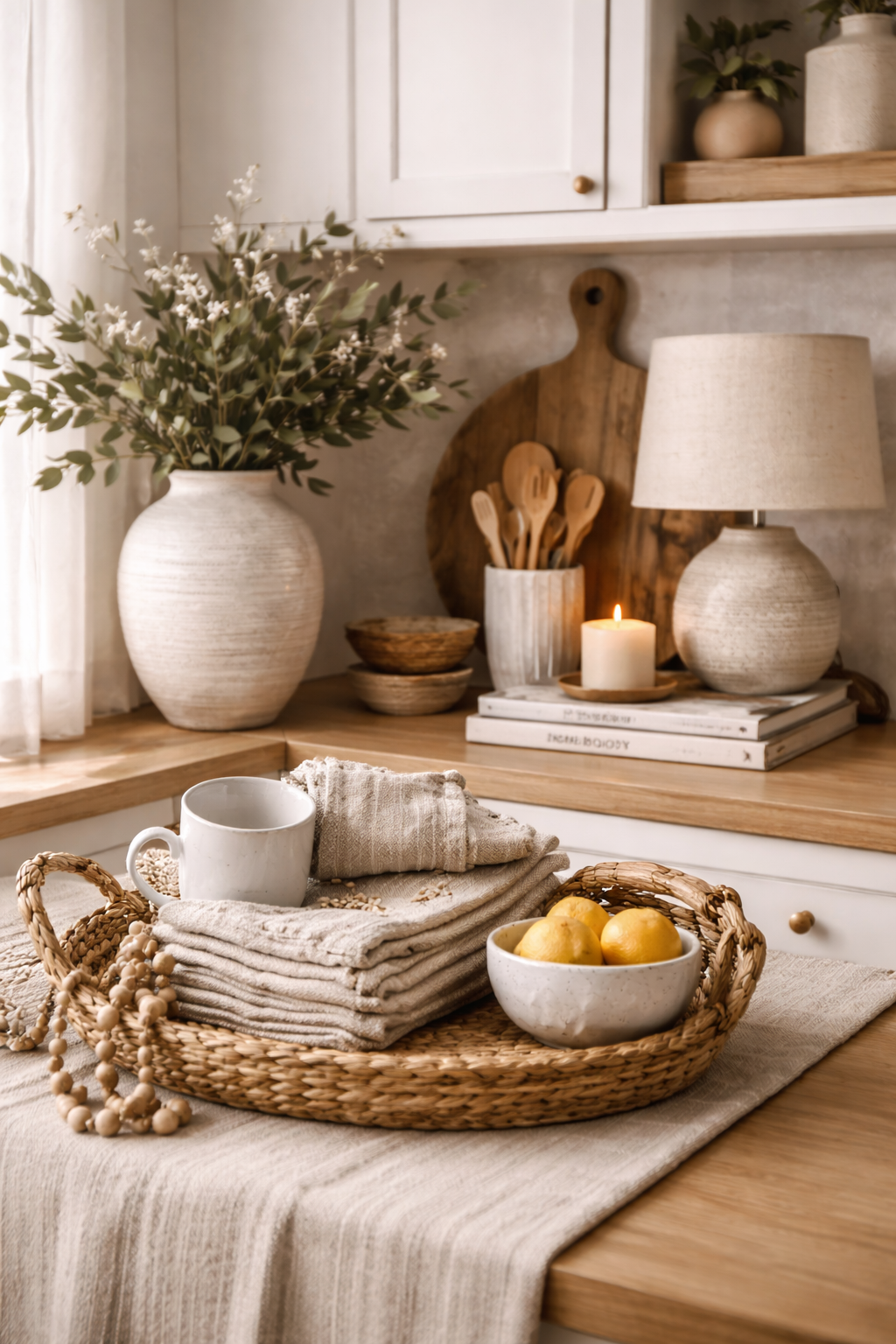
Visual example: the essentials in action
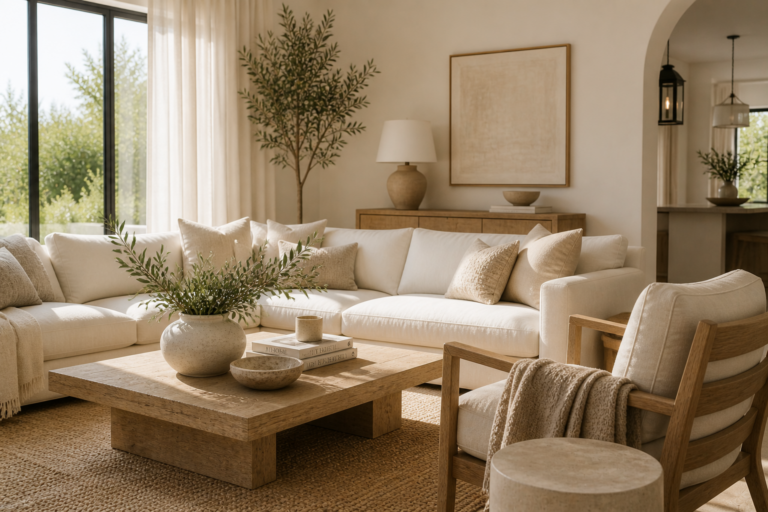
Use this image as a reference point for what “custom” looks like without renovation: balanced composition, intentional spacing, layered texture, and a calm, edited palette.
Editor Notes: what designers do first in a builder-grade home
AThey set rules before they shop
Rules create speed. Choose your finish family, core neutral, and one supporting tone. This prevents the “a little of everything” look that reads builder-grade.
BThey fix proportion issues early
If scale is off, nothing looks right. Before styling, evaluate: furniture size, art size, spacing, and visual weight. Then go deeper in Form & Proportion.
CThey design “drop zones” to keep the home calm
The most expensive-looking homes are the calmest—and calm is usually a system. If your home never stays tidy, your design can’t shine. Start with Organization.
DThey layer texture before they add seasonal moments
Seasonal styling lands best when the base is strong. Texture is your foundation—season is your accent. (When you’re ready: Valentine’s and Early Spring.)
FAQ
What makes a home feel “builder-grade” in the first place?
It’s usually a lack of hierarchy: too many small choices that don’t relate. Builder-grade isn’t a style—it’s a feeling created by inconsistent finishes, underscaled selections, and no repeated visual logic from room to room.
If I’m not renovating, what should I focus on first?
Start with proportion and repetition. Choose a finish family, identify one anchor moment per room, and edit visual noise. If the room feels off but you can’t explain why, read Form & Proportion next.
How do I make open-concept builder layouts feel more intentional?
Treat the home like a connected sequence. Repeat core finishes, create zones with clear function, and maintain consistent spacing rules. The goal is visual continuity without sameness. Organization systems help open spaces stay calm— see Home & Organization.
Can neutrals still feel high-end, or will it look bland?
Neutrals look expensive when texture does the work. Mix matte and sheen, structured and soft, smooth and nubby. For a deeper guide, go to Material & Texture.
Where do seasonal touches fit in without looking themed?
Treat seasonal styling like a whisper, not a costume: fewer items, better placed, aligned with your base palette. When you’re ready, read Valentine’s (Organic Modern) and Early Spring Refresh.
Series navigation: #1 Essentials · #2 Proportion · #3 Texture · #4 Organization · #5 Valentine’s · #6 Early Spring