Art Placement Rules
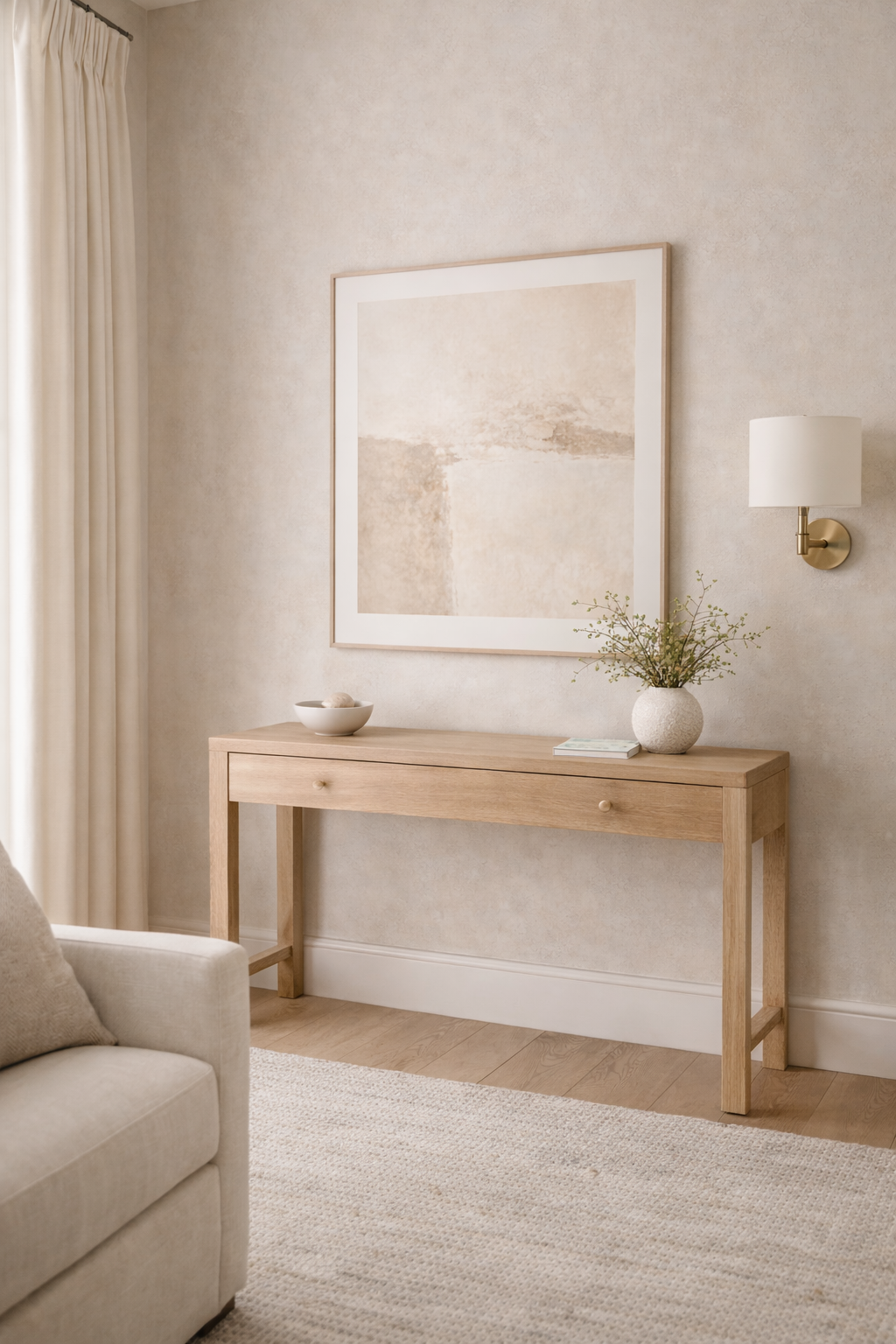
Art Placement Rules: Height, Spacing, and Breathing Room
Why most art feels “off” — and how designers quietly fix it.
Art rarely fails because it’s unattractive. It fails because it’s floating, crowded, or disconnected from the room. Placement—not taste—is what determines whether art feels intentional or accidental.
The Core Rules
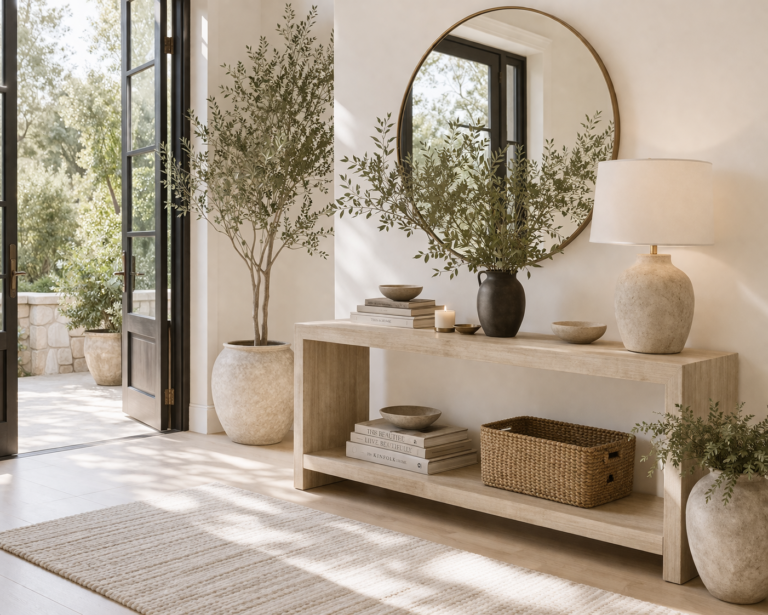
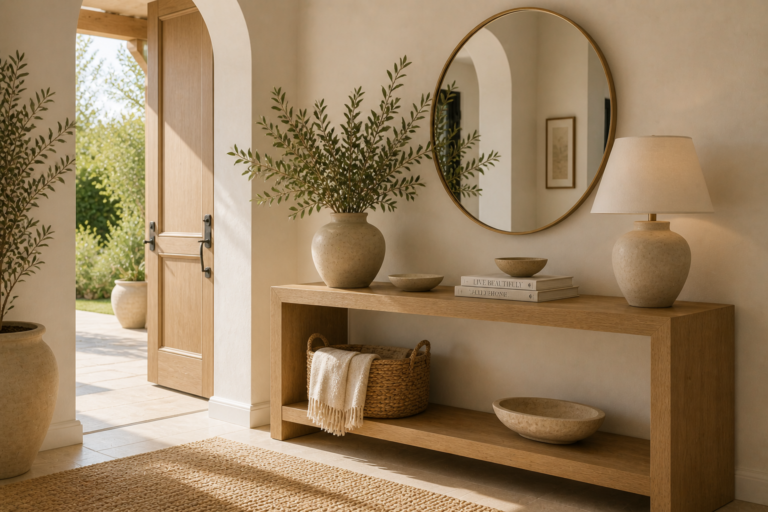
Rule One: Center to the Furniture
Art should relate to what sits beneath it—not the ceiling, not the wall height. Centering art to furniture anchors the room visually and prevents that “floating” feeling.
Floating art creates visual anxiety—even if you can’t name why.
Rule Two: Hang Lower Than You Think
Most people hang art too high. Designers typically place the center of artwork 6–8 inches above furniture. Lower placement creates intimacy and cohesion.
Rule Three: Protect Breathing Room
Negative space allows art to feel intentional. Crowded walls flatten impact. One large piece nearly always outperforms multiple small ones.
Rule Four: Size for the Room, Not the Budget
Small art reads temporary. Larger pieces—even inexpensive ones—feel deliberate and architectural.
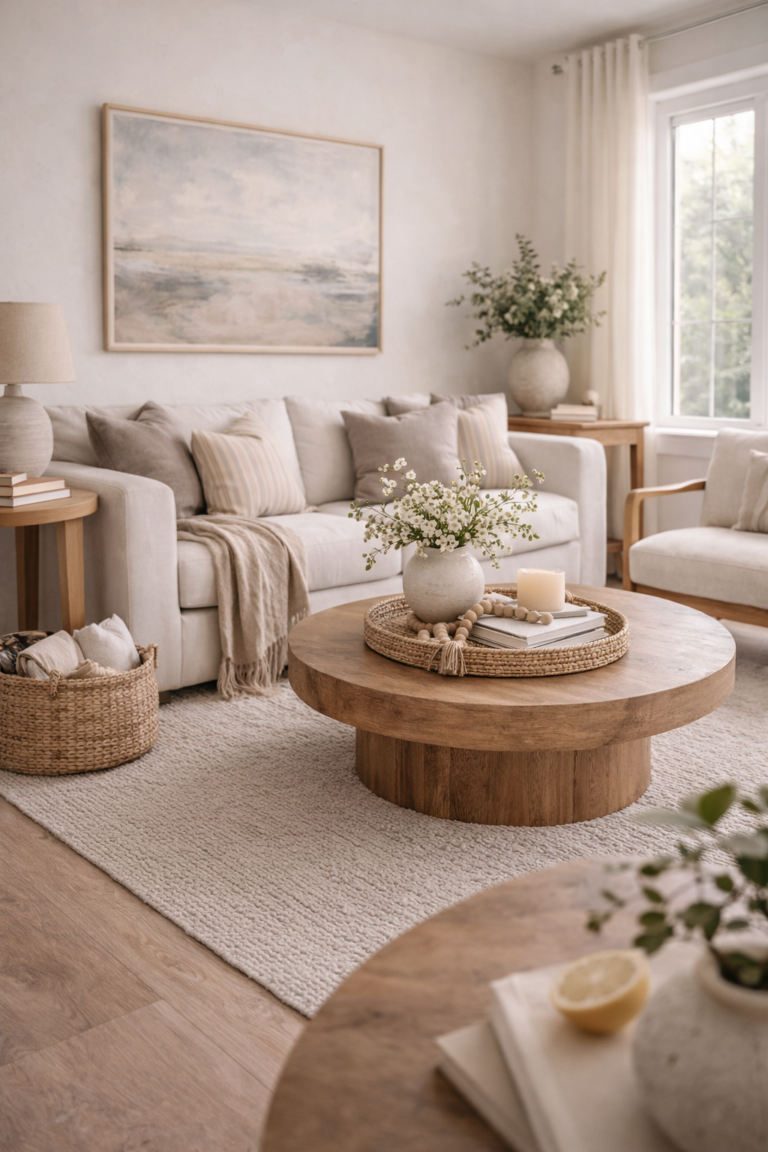
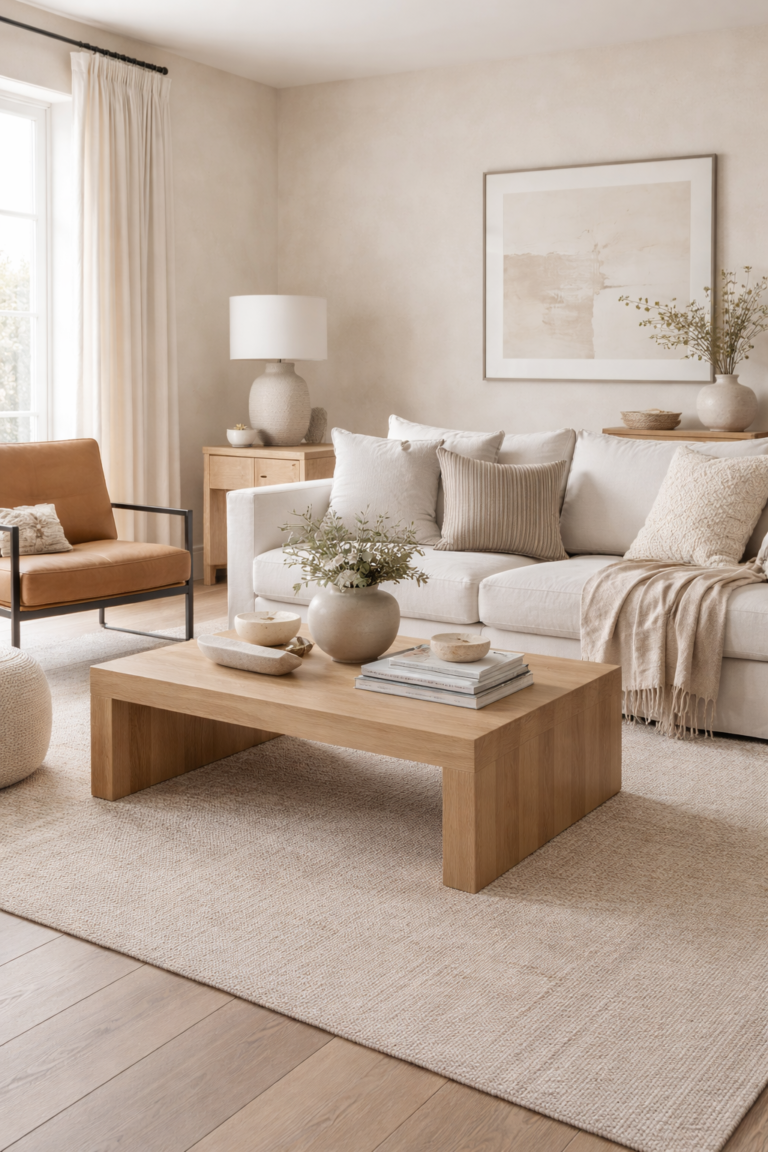
- Art over a sofa should span ~⅔ the sofa width
- Gallery walls need consistent spacing
- When unsure, go larger
Frequently Asked Questions
Can I mix art styles?
Yes—if scale and spacing are consistent. Cohesion comes from proportion, not theme.
What if my ceilings are very high?
Ignore them. Art still relates to furniture, not ceiling height.
Is one large piece better than many small ones?
Almost always. It reads calmer and more intentional.
Art placement isn’t decoration—it’s architecture. When height, spacing, and scale are correct, the room finally settles.