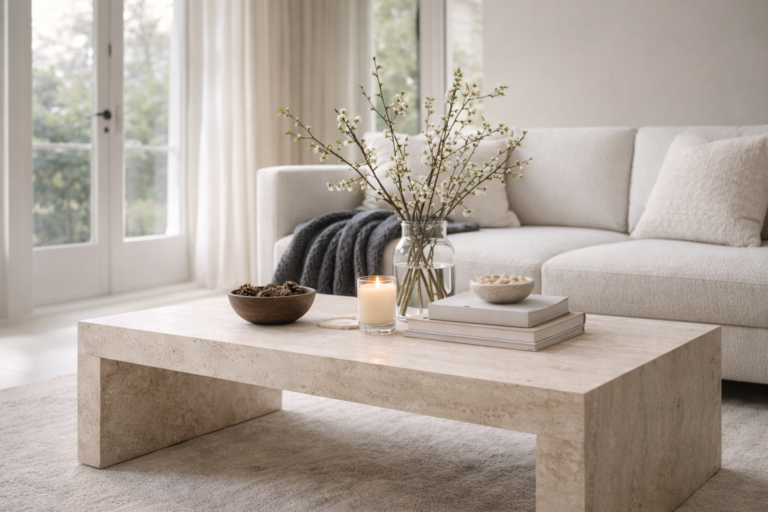
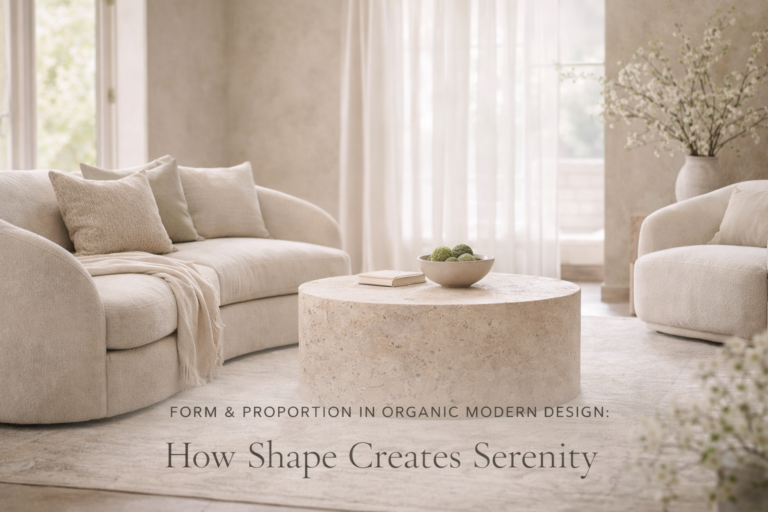
Quiet Luxury Home: The Complete Guide
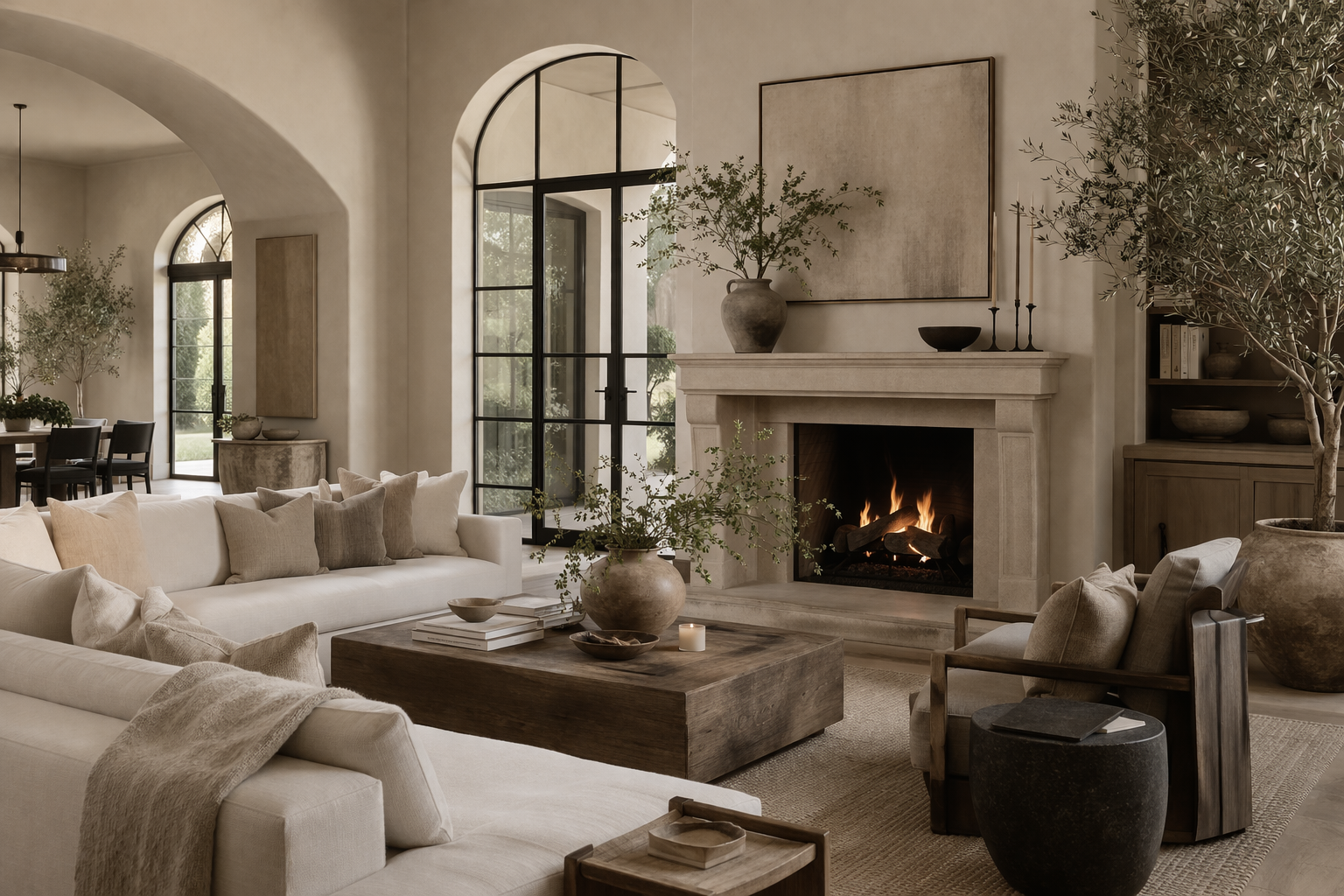
Quiet Luxury Home: The Complete Guide to Making Your Home Feel Calm, Expensive, and Effortlessly Beautiful
This is the modern home aesthetic everyone wants but almost no one gets right: soft, elevated, uncluttered, and quietly polished. If you want your home to feel more serene, more put together, and instantly more beautiful without feeling cold or overdesigned, start here.
Use this page as your anchor guide for the full quiet luxury home cluster, with room-by-room styling ideas, subtle upgrades, designer tricks, and the small choices that make a house feel calm, warm, and deeply finished.
Shop the Quiet Luxury Look
These are the kinds of pieces that instantly make a room feel softer, warmer, and more intentionally styled without creating more clutter.
Artificial Olive Tree 8ft
The easiest high-impact upgrade for an entry, living room, or dining corner. It adds height, softness, and that quiet, collected designer feel in minutes.
Why Your Home Still Doesn’t Feel Quite Right
Sometimes a home looks good on paper, but still feels slightly unfinished in real life. The furniture is there. The walls are painted. The decor is technically pretty. But the space still doesn’t give that deep exhale feeling you wanted.
That’s usually not a budget problem. It’s a styling problem. More specifically, it’s a visual rhythm problem. Quiet luxury is what happens when a home feels edited, soft, calm, and intentional instead of busy, random, or slightly overdone.
This guide is your anchor page for creating that feeling throughout your entire home: from the living room and kitchen to the bathroom, entryway, dining room, closet, and even your evening reset routine.
- You want a home that feels elevated, but still warm and livable.
- You want less visual noise and more calm control.
- You want your rooms to feel beautiful without constantly buying more.
The quiet luxury look is not about making your house look expensive in a flashy way. It’s about making everything feel softer, more considered, and more emotionally restful.
How do I make my home feel more expensive without remodeling?
Start by removing what feels visually noisy, then add back fewer, warmer, more sculptural pieces. A neutral palette, layered textures, and one or two oversized accents almost always feel more luxurious than lots of small accessories.
If your home feels chaotic, don’t shop first. Edit first. Quiet luxury almost always begins with subtraction before it becomes a styling story.
The 6 Core Principles of a Quiet Luxury Home
These are the design decisions that make a room feel calm, expensive, and effortlessly pulled together. Once these are right, the entire house starts to feel different.
1. A soft, grounded color palette
Think cream, oatmeal, taupe, warm white, natural wood, muted stone, and soft brown. These colors calm the eye and make everything feel more cohesive.
2. Fewer, better styling moments
Quiet luxury is not about decorating every surface. It’s about knowing when to stop. One beautiful piece often does more than five smaller ones.
3. Natural texture over loud contrast
Linen, wood, ceramic, glass, boucle, and subtle greenery create depth without visual chaos. Texture is what makes neutral rooms feel rich.
4. Breathing room between objects
Luxury styling depends on spacing. When every shelf, table, and corner is crowded, the room stops feeling elevated and starts feeling busy.
5. Sculptural shapes and taller forms
Height and shape matter. Oversized branches, olive trees, large lamps, and curved accessories make a room feel designed instead of simply filled.
6. Emotional calm, not just visual beauty
The best quiet luxury rooms do not just photograph well. They make you feel slower, more grounded, and more in control of your home.
Quiet luxury is not the absence of personality. It is the absence of noise.
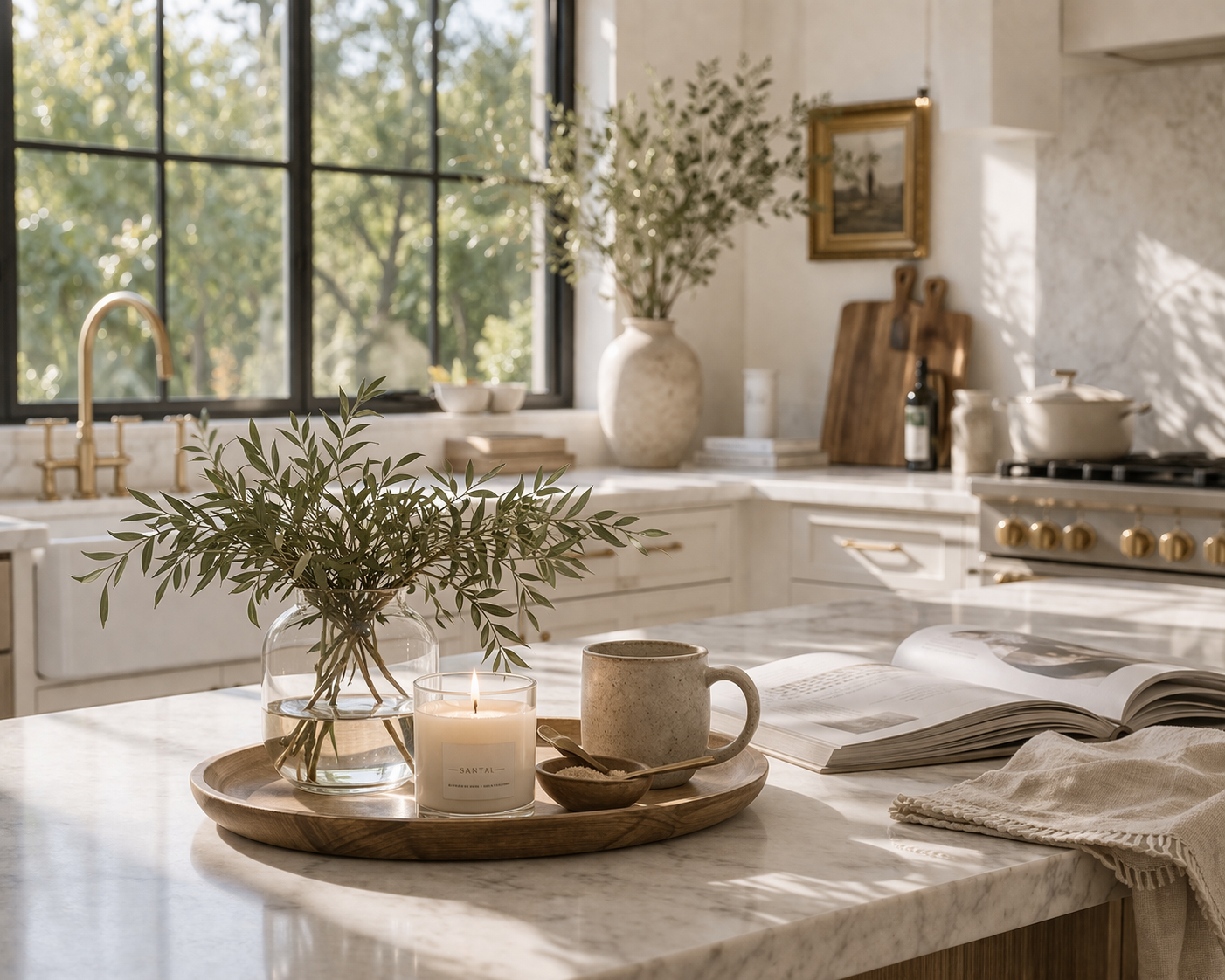
If a room feels flat, don’t immediately add color. Add texture, height, and shape first. That is usually what the room is actually missing.
Neutral, layered interiors reduce visual fatigue. Your eye can move around the room without getting interrupted by harsh contrast, too many small accents, or overly trendy details.
What colors create a quiet luxury look?
Warm whites, mushroom, greige, taupe, sand, soft camel, weathered wood tones, and muted olive all work beautifully because they feel grounded, calm, and timeless.
Quiet Luxury by Room
Use this hub as your starting point, then go deeper room by room. Each guide below shows how to create the same elevated, restful feeling in a specific space.
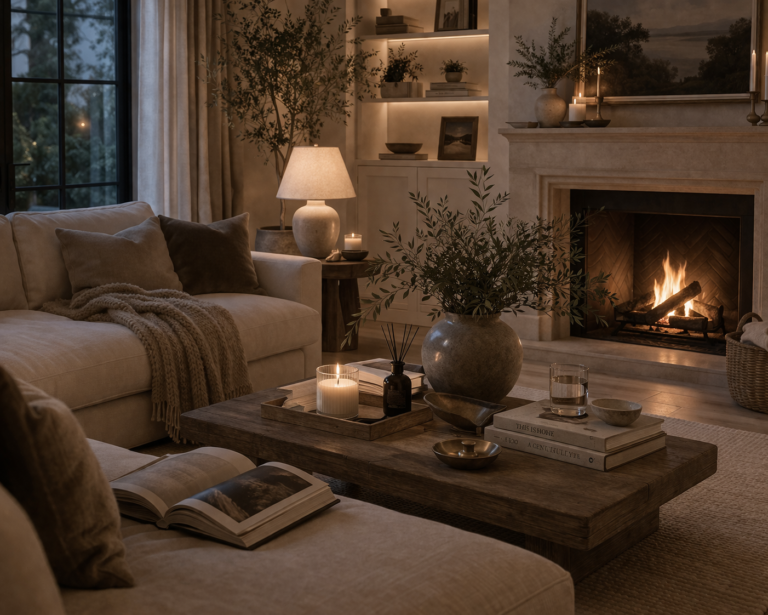
Quiet Luxury Living Room
Learn how to make the heart of your home feel layered, calm, warm, and deeply elevated without cluttering every surface.
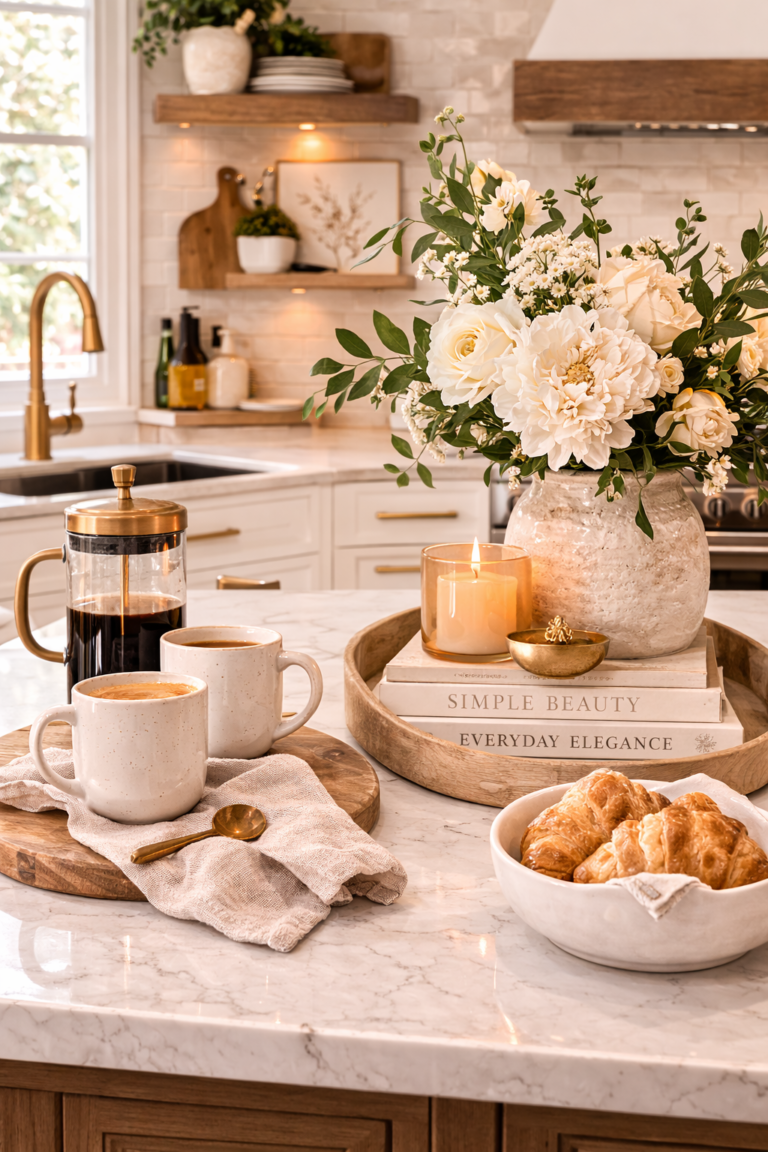
Read the living room guide →Quiet Luxury Kitchen Styling
See how to make your kitchen feel more polished and designer without losing function, warmth, or everyday livability.
Read the kitchen guide →Designer Styling Secrets
Get the small finishing details that make a home feel collected, intentional, and beautifully expensive instead of almost done.
Read the styling secrets →Quiet Luxury Bathroom
Create a bathroom that feels spa-like, simple, and elevated with softer styling, better restraint, and cleaner visual lines.
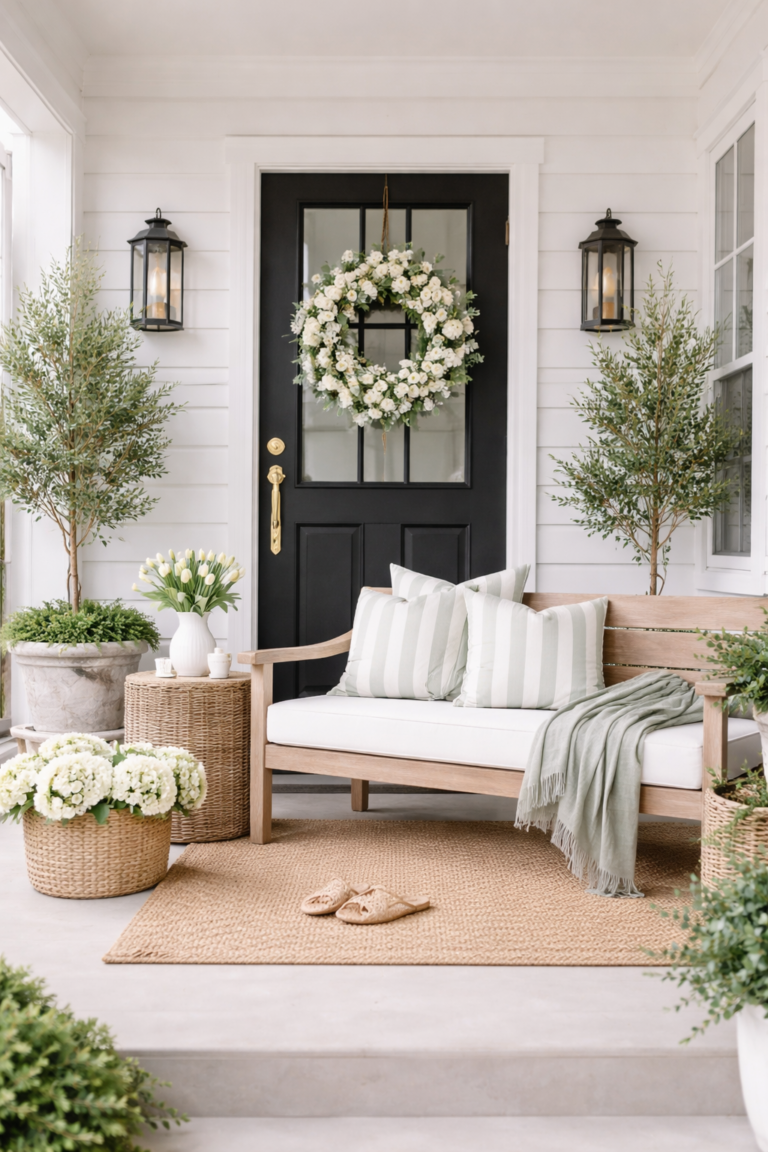
Read the bathroom guide →Quiet Luxury Entryway
Set the tone from the moment you walk in with an entryway that feels welcoming, airy, and quietly impressive.
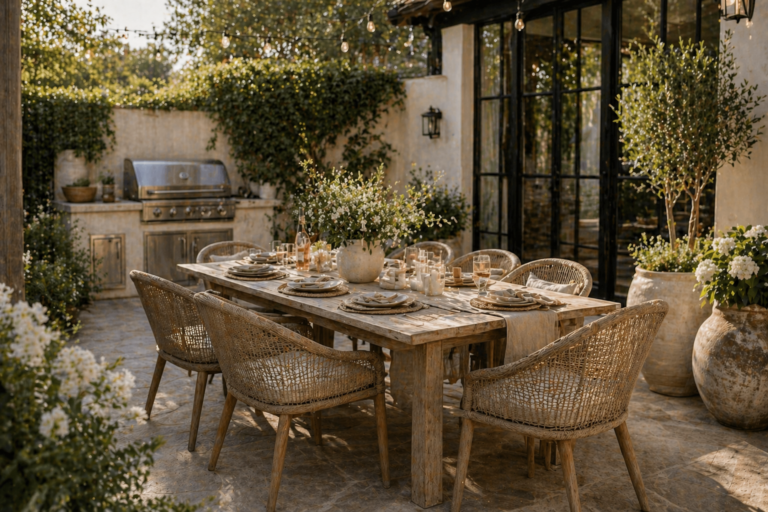
Read the entryway guide →Quiet Luxury Dining Room
Make your dining room feel more intimate, more expensive, and more editorial with subtle styling and a stronger focal point.
Read the dining room guide →Quiet Luxury Closet
Turn your closet into a calmer daily ritual with better editing, refined storage, and beautiful everyday order.
Read the closet guide →Quiet Luxury Evening Reset
End the day with an easy home routine that keeps everything feeling cleaner, quieter, and more put together.
Read the evening reset guide →Subtle Upgrades That Change Everything
Start with the smallest, smartest upgrades that instantly make your home feel more elevated without a full redesign.
Read the subtle upgrades guide →What Actually Makes a Room Feel Quiet Luxury
This is where most homes miss the mark. The goal is not to copy a look. The goal is to create a feeling.
Anchor the room
Every room needs one grounded visual anchor: a tree, large lamp, substantial art, oversized vase, or beautifully styled console.
Repeat tones, not clutter
The room feels expensive when colors and materials quietly echo each other from one corner to the next.
Use negative space
Leave areas intentionally open. Empty space is one of the clearest markers of restraint and confidence in design.
One corner can change the whole room
If you do nothing else today, style one overlooked corner well. Add height, warmth, and a cleaner silhouette. A tall olive tree, sculptural pot, or soft lamp can instantly shift how the whole room feels.
That is why subtle, carefully chosen pieces tend to outperform random decorative shopping every single time.
The easiest quiet luxury styling move
An oversized olive tree is one of the fastest ways to add quiet luxury energy to a home because it introduces softness, shape, and designer height without making the room feel busier.
Shop the 8ft Artificial Olive Tree here if you want one piece that works in the living room, entryway, dining room, or even a quiet bedroom corner.
Common Mistakes That Ruin the Quiet Luxury Look
Even beautiful homes can lose that elevated feel when too many little details compete with each other.
Too many small decor pieces
Small accessories everywhere create visual chatter. Edit down and let fewer items breathe.
Everything the same size
Luxury rooms need variation: low and high, soft and structured, smooth and textured.
Cold neutrals without warmth
If the palette is too stark, the room can feel flat. Add wood, linen, woven texture, or muted greenery.
Overfilling open surfaces
Coffee tables, consoles, shelves, and counters should not all be fully styled. Pick your moments.
Is quiet luxury just minimalism?
No. Minimalism can feel stark if it lacks warmth. Quiet luxury is softer and more layered. It uses restraint, but it still feels lived in, comforting, and feminine.
Can a family home still feel quiet luxury?
Absolutely. In many ways, it works even better in family homes because it focuses on calm, order, beautiful function, and making everyday spaces feel emotionally lighter.
Keep Building the Quiet Luxury Look
These guides will help you continue the look throughout the rest of your home with natural internal linking that supports the full cluster.
If you are redesigning slowly, pin or bookmark this page first. Then work through the room guides one by one. Quiet luxury works best when the whole home starts speaking the same soft design language.
Frequently Asked Questions About Quiet Luxury Style
What is a quiet luxury home?
A quiet luxury home feels calm, elevated, refined, and intentionally styled. It uses soft neutrals, beautiful materials, restraint, and thoughtful spacing instead of flashy or overly trendy decor.
How do I make my house feel more quiet luxury?
Start by editing clutter, simplifying your palette, and bringing in a few larger, warmer, more sculptural pieces. Focus on texture, consistency, and breathing room instead of adding more small decor.
What colors are best for quiet luxury interiors?
Warm whites, beige, mushroom, taupe, camel, stone, soft brown, weathered wood, and muted olive all work beautifully because they feel calm and timeless.
Is quiet luxury the same as minimalism?
No. Quiet luxury is usually softer and more layered. It still uses restraint, but it feels warmer, more comfortable, and more emotionally inviting than strict minimalism.
What is the fastest way to make a room feel more expensive?
Remove visual clutter, add one substantial statement element, and improve the styling rhythm. Often that means a taller tree, a better lamp, fewer accessories, and more spacing.
Can quiet luxury work in a small home?
Yes. In smaller homes it can be even more effective because edited styling, calm palettes, and visual breathing room make every square foot feel more beautiful and intentional.
Where should I start first?
Start with the room you see the most. For most people, that means the living room, kitchen, or entryway. Then use this hub to move into the rest of the house in a connected way.