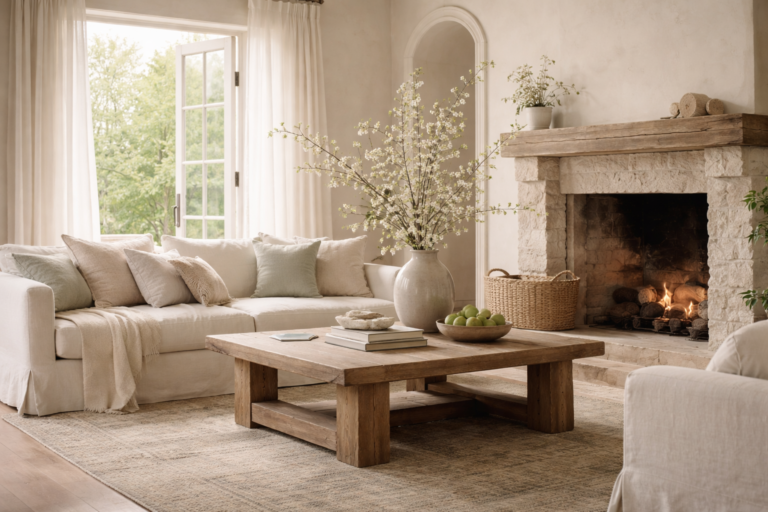
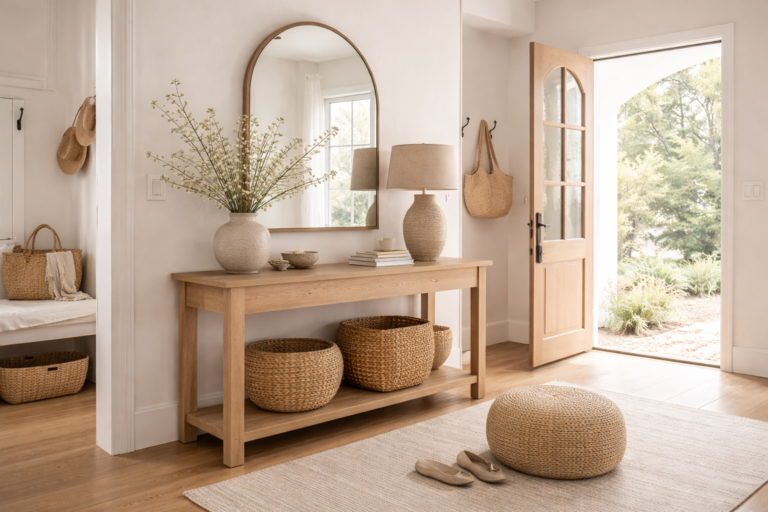
10 Subtle Upgrades That Make Your Home Feel Quiet Luxury
10 Subtle Upgrades That Make Your Home Feel Quiet Luxury (Without Spending a Fortune)
A home that feels calm, expensive, and beautifully pulled together rarely comes from one huge purchase. It almost always comes from a handful of quiet choices: a taller plant, a better textile, a warmer finish, fewer things on the surface, and a room that finally feels edited instead of crowded.
If you want that soft, elevated, “why does this room feel so good?” look, these are the exact upgrades to make first. They are practical, save-worthy, and surprisingly powerful in real homes.
The Pieces That Instantly Change the Feeling of a Room
These are the kinds of items that create quiet luxury fast: height, texture, softness, and a little architectural warmth. Helpful, not pushy. Just the pieces that make the biggest difference.
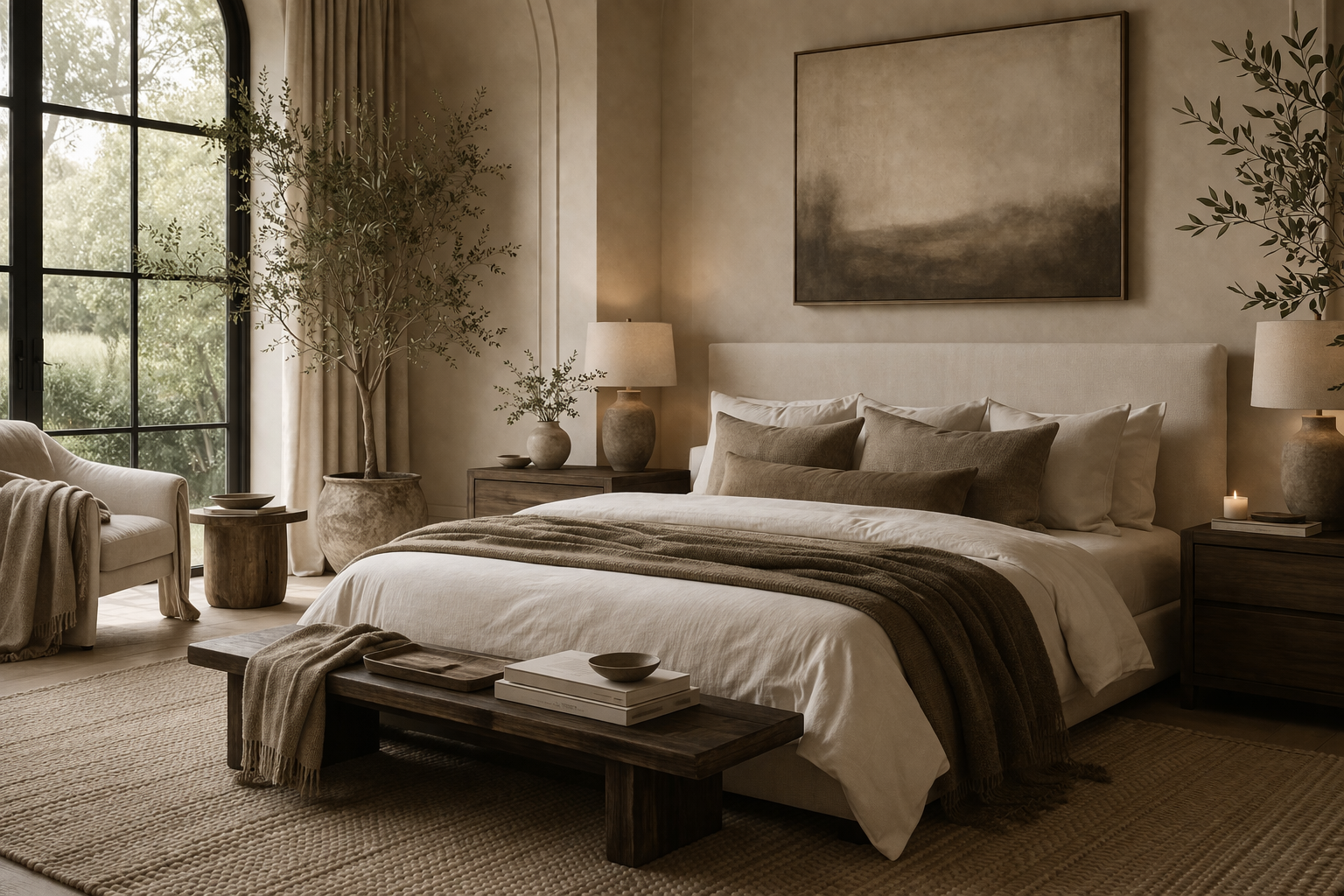
Artificial Olive Tree 8ft
Instant height, a softer silhouette, and that collected European look without adding clutter.
View on AmazonPremium Globo Fiberstone Round Planter
A simple, substantial planter makes the tree feel intentional instead of temporary.
View on AmazonVera Wang Duvet Cover Set
Crisp, elegant bedding is one of the fastest ways to make a bedroom feel more refined.
View on AmazonEddie Bauer King Size Blanket
Adds weight, texture, and that inviting finished-bed look designers always use.
View on AmazonAcacia Wood Bench
Perfect at the foot of a bed, in an entry, or tucked under a window for a more collected feel.
View on AmazonWhat Quiet Luxury Actually Means at Home
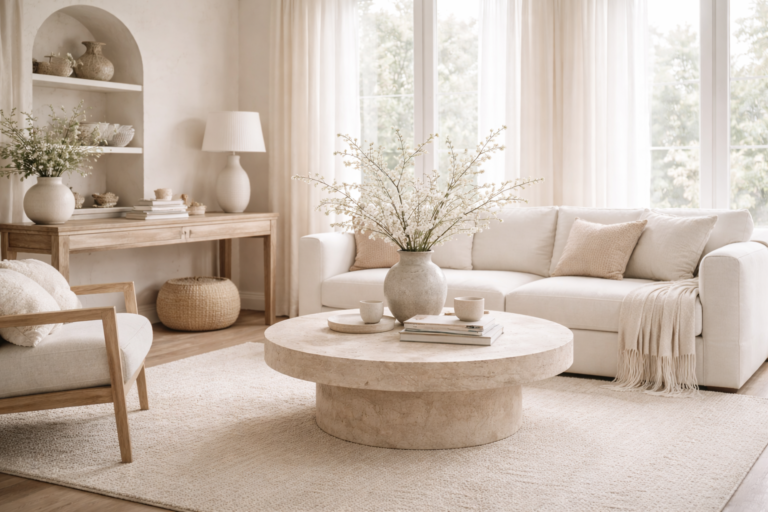
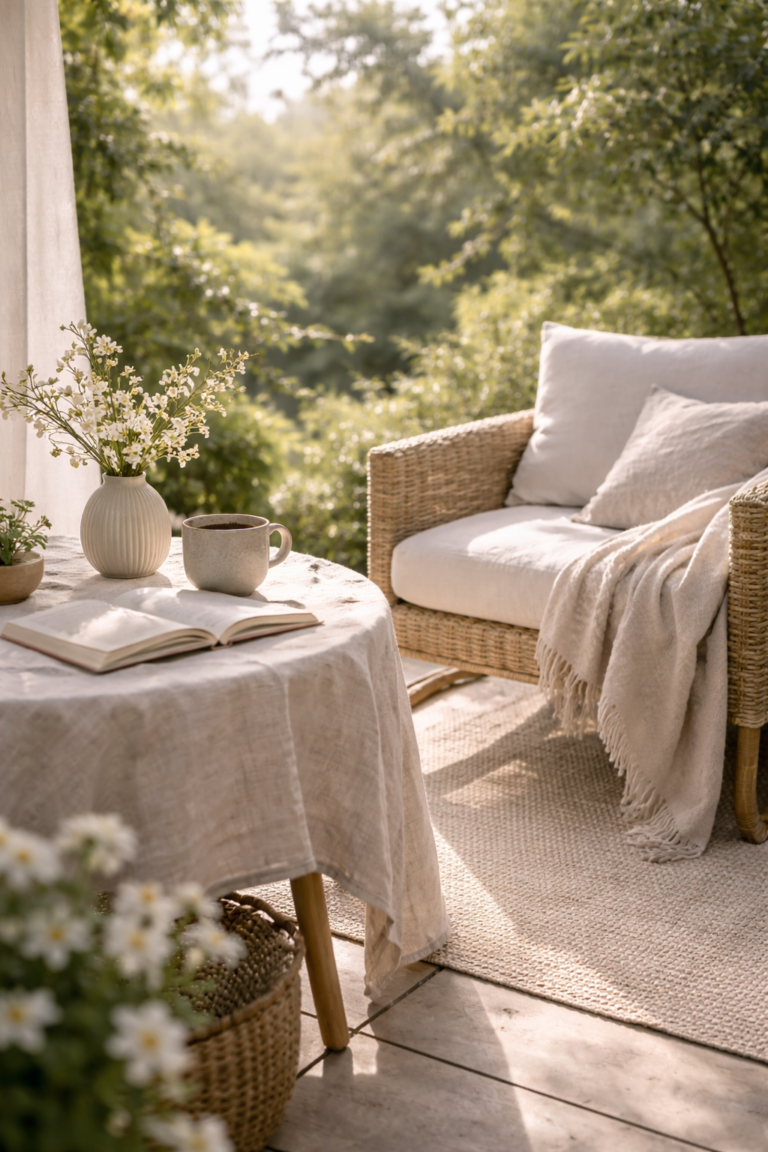
Quiet luxury is not about trying to impress people with expensive-looking “stuff.” It is about creating a home that feels calm, edited, tactile, and deeply comfortable. The room feels settled. The palette feels soft. Nothing is shouting for attention, but everything feels considered.
That is why the most effective upgrades are usually subtle. A better throw. A taller tree. Fewer little objects. Warmer wood. Better bedding. A bench that gives the room structure. These choices change the emotional temperature of the space.
If you want the full room-by-room foundation first, start with the quiet luxury home guide. Then come back here and use this page as your practical shopping-and-styling checklist.
Looks Like
Warm neutrals, intentional scale, layered texture, and surfaces with breathing room.
Doesn’t Look Like
Too many trendy decor pieces, cluttered styling, shiny finishes, or overly busy contrast.
Feels Like
Exhale energy. Soft light. A room you want to slow down in.
Editor Note
The biggest mistake people make is assuming they need an entirely new room. Usually, what they actually need is better editing and a few stronger anchor pieces.
Quick Q&A
Can a modest home still feel quiet luxury?
Absolutely. Quiet luxury is more about proportion, restraint, and texture than price tag or square footage.
Save This Idea
If your room feels “off,” start by removing visual noise before you add anything new.That one move alone often makes the next styling decision obvious. Pin this tip now so you remember it when you’re ready to reset a room.
Read this like a designer would style a room
- Choose one anchor upgrade that adds presence, like an olive tree or bench.
- Choose one textile upgrade that adds softness, like bedding or a blanket.
- Edit a visible surface so the new piece actually has space to breathe.
- Then layer in room-specific ideas from the living room guide, kitchen styling guide, or quiet luxury entryway guide.
The 10 subtle upgrades that make a home feel calmer, softer, and more expensive
These are not flashy changes. They are the kinds of upgrades that make people quietly say, “Your house feels so beautiful.” That is the whole point.
Bring in one tall organic element
A large olive tree instantly adds life, vertical movement, and that effortless European calm. It fills awkward emptiness in a way that feels soft rather than heavy, which is why it works so well in living rooms, bedrooms, and entry corners.
Why This Works
Quiet luxury rooms almost always have at least one organic shape that breaks up all the straight lines of furniture. Height makes the room feel designed.
Quick Q&A
What if my corner feels too empty but I don’t want clutter?
A tall tree in a simple planter solves that problem in one move.
Use a planter that feels architectural, not flimsy
The planter matters just as much as the greenery. A weighty, minimal planter grounds the piece and instantly makes it feel more intentional. It is one of those small details that separates “decor” from “design.”
Designer Tip
Choose shapes that feel simple and substantial. Rounded forms and matte finishes almost always read more elevated than glossy or over-detailed options.
Upgrade the bedding before you buy more bedroom decor
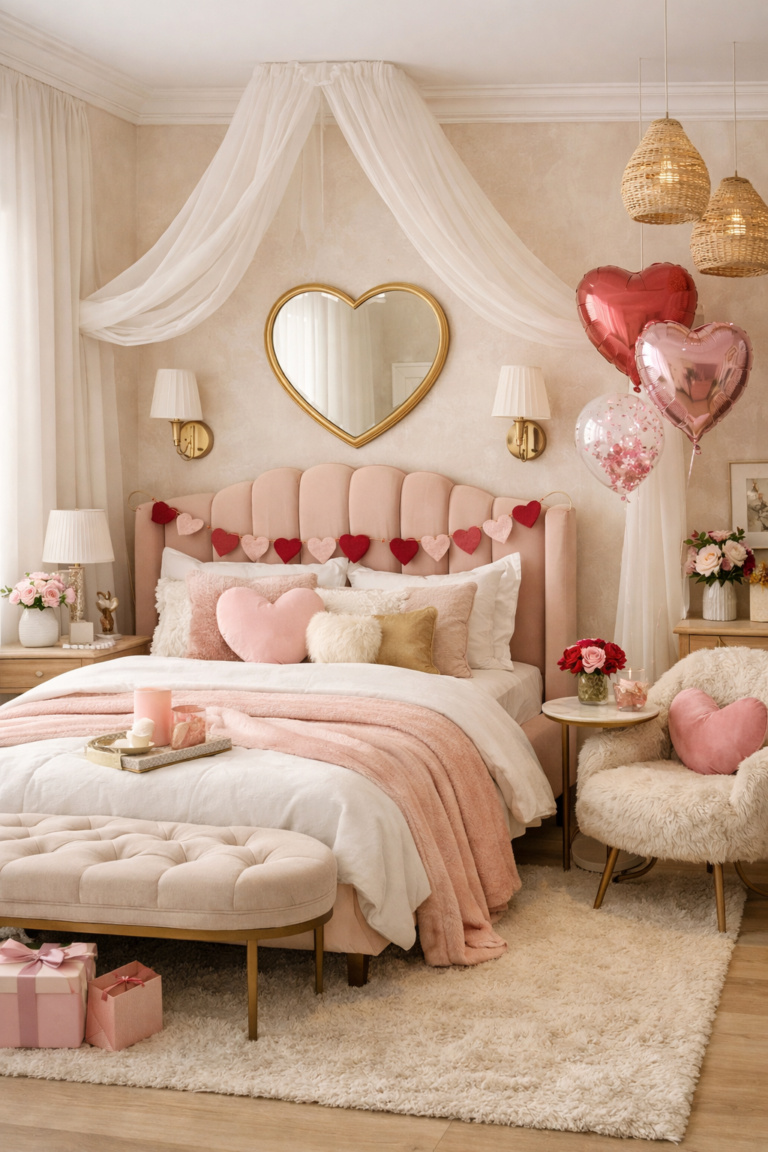
If a bedroom does not feel luxurious, the answer is almost never more accessories. It is usually better bedding. A crisp neutral duvet creates immediate polish and makes the whole room feel more expensive, even if the rest of the furniture stays exactly the same.
Quick Win
Replace bright or tired bedding first. That one change gives you the fastest visual return.
Layer one substantial blanket at the end of the bed or sofa
The right blanket adds softness, depth, and visual weight. It also makes the room feel lived-in in the best possible way. Quiet luxury is never sterile; it is comfortable and beautifully restrained.
Quick Q&A
Should the blanket match everything exactly?
No. It should blend with the palette while adding a little texture and dimension.
Add one bench to create structure
A wood bench has that rare quality of making a room feel both warmer and more finished. At the foot of a bed, in an entryway, or beneath a window, it introduces a grounded line that helps the room feel complete.
Why This Works
Designer rooms often feel expensive because they include one or two pieces that give the eye a resting place. A bench does that beautifully.
Edit every visible surface down to just a few intentional items
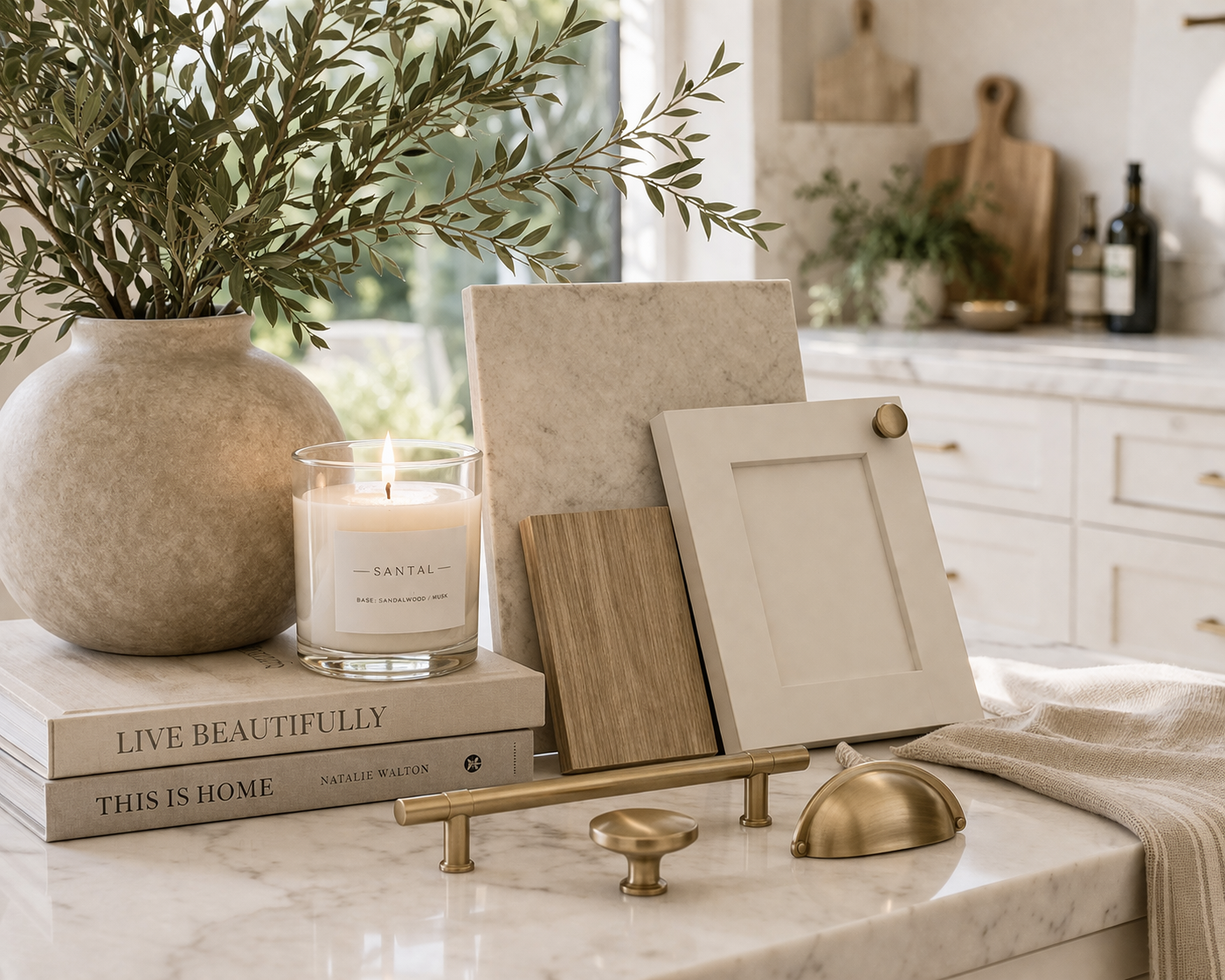
This is one of the least glamorous upgrades and one of the most transformative. Coffee tables, consoles, dressers, and counters look more luxurious when there is visible breathing room around the objects you keep.
Editor Note
If everything is “special,” nothing feels special. Choose a few pieces and let them breathe.
Warm up the room with natural wood or wood-toned accents
Quiet luxury spaces feel layered, not flat. Wood introduces a gentle warmth that makes neutrals feel richer. It is especially effective if your room currently feels too gray, too cool, or slightly lifeless.
Quick Win
Even one wood accent can soften a room that feels a little cold.
Keep the palette tight and tonal
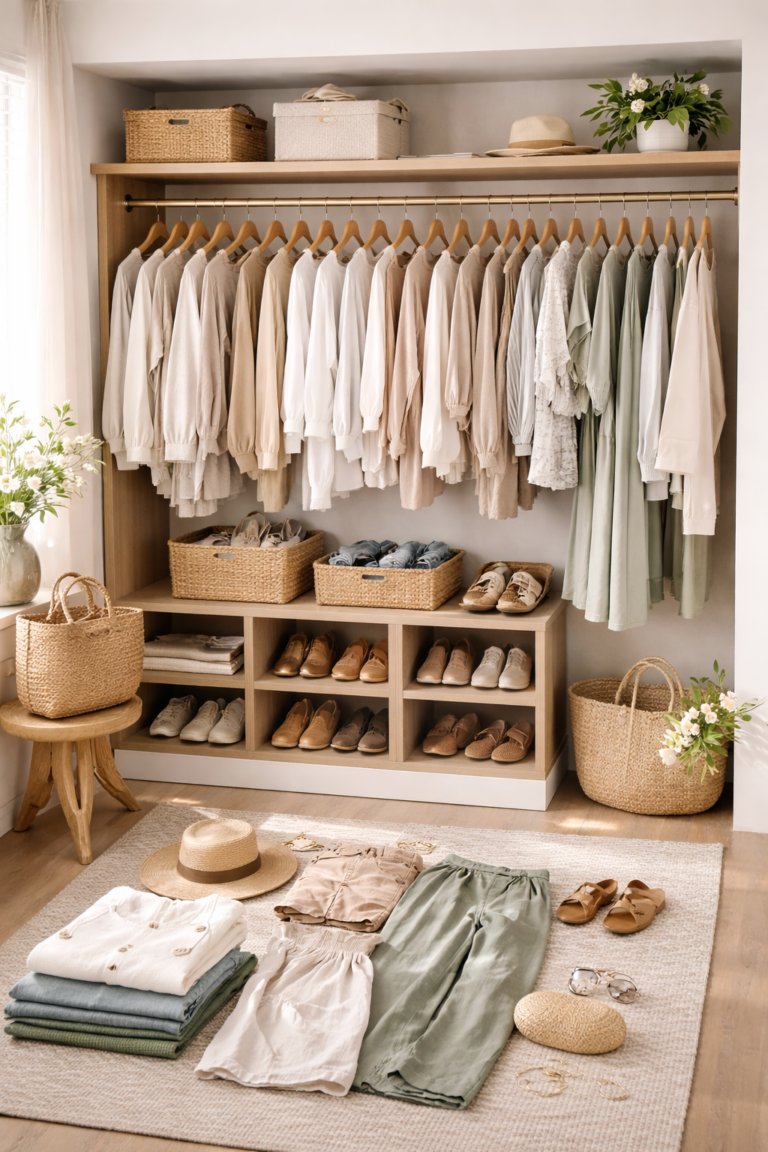
One of the easiest ways to make a room feel expensive is to stop introducing random extra colors. Quiet luxury styling works because the palette feels cohesive. Cream, oat, taupe, warm brown, black, and muted olive are usually enough.
Quick Q&A
Is quiet luxury boring?
Not when the texture is rich. The interest comes from material, shape, and tone-on-tone layering rather than loud contrast.
Focus on fewer, larger-impact pieces instead of lots of small decor
A large plant, a substantial lamp, a bench, a beautiful duvet, a sculptural bowl—these do more than ten tiny decorative fillers ever will. The room feels calmer and more elevated when there are fewer interruptions.
Why This Works
Luxury often reads as confidence. Rooms feel more confident when each piece has presence.
Create literal breathing room
Quiet luxury is partly visual and partly emotional. If the room feels packed, the mood will never land. Pull furniture slightly away from walls when appropriate, clear the pathways, and let negative space become part of the design.
Save This Idea
Before buying anything new, remove five things from the room and restyle one corner with more open space.This is one of those little design moves that is incredibly screenshot-worthy. Pin it now and come back to it the next time a room starts to feel busy.
Start here first for the biggest visual change
If you are standing in your home thinking, I know I want it to feel better, but where do I even begin? this is your order of operations:
- Edit the room. Remove obvious clutter, extra small decor, and anything that makes the space feel noisy.
- Add one anchor piece. Choose the tree, the bench, or the bedding—something that changes the visual structure.
- Layer one softening element. A blanket, better textiles, or a warmer finish pulls everything together.
From there, go room by room. The quiet luxury living room guide helps with layout and layering, the bathroom guide helps create that calm spa feeling, and the quiet luxury evening reset shows how to keep the feeling going every night.
Designer Tip
If a room feels flat, ask yourself whether it needs more things—or simply one taller, softer, better-scaled thing. The answer is usually the second one.
Quick Q&A
Do all rooms need the same quiet luxury pieces?
No. The formula stays similar, but the expression changes. Bedrooms want softness. Entryways want structure. Kitchens want edited surfaces and warm texture.
Room-by-room next steps
- Living room: layering, scale, and softness
- Kitchen: styling details that feel expensive
- Entryway: a beautiful first impression
- Dining room: effortless hosting energy
- Designer styling secrets: the subtle polish layer
The quiet luxury starter set
You do not need all five. Pick the one that solves the biggest problem in your room right now.
Mistakes that instantly cheapen the quiet luxury look
Too many small decorative fillers
They make the room feel busier, not better. Quiet luxury relies on restraint.
A palette with too many random detours
One coral pillow, a bright blue vase, a cool gray throw—suddenly the room feels less settled.
Everything pushed flat against the walls
Rooms feel more designed when there is flow, softness, and a little dimensionality.
Buying trendy pieces before fixing the basics
Start with scale, softness, warmth, and editing. That foundation does the real work.
Editor Note
A room can include beautiful things and still not feel luxurious if there is no calm. Quiet luxury always protects the calm first.
Pin This Reminder
Luxury is rarely about adding more. It is usually about choosing better and showing less.This is the exact kind of design principle you forget in the middle of shopping. Save it now so you can come back grounded.
What actually makes a home feel expensive
The homes that feel the most beautiful usually have four things in common: visual calm, tonal consistency, natural texture, and a few anchor pieces with presence. Not a thousand accessories. Not performative styling. Just a room that feels deeply considered.
That is why subtle upgrades matter so much. They support the atmosphere of the room instead of competing with it.
1 · Calm
Clear surfaces, softer contrast, fewer visual interruptions.
2 · Texture
Linen, wood, woven elements, matte finishes, cozy layers.
3 · Presence
One strong tree, one beautiful bench, one better textile—rather than ten fillers.
Keep building the look, room by room
The best results happen when these upgrades connect to the rest of your home. These are the next pages to read after this one.
Quiet Luxury Living Room
The exact formula designers use to make a living room feel soft, elevated, and finished.
Quiet Luxury Kitchen Styling
Simple details that make a kitchen feel more expensive without a renovation.
Designer Styling Secrets
The subtle polish layer that makes a home feel intentionally styled.
Quiet Luxury Bathroom
Create a spa-like space that feels calm, warm, and beautifully pulled together.
Quiet Luxury Entryway
Make a beautiful first impression with structure, softness, and edited styling.
The Quiet Luxury Evening Reset
The nightly habits that keep your home feeling calm instead of chaotic.
Save, Pin, Bookmark
This is the kind of page you’ll want to come back to the next time a room feels flat, cluttered, or just a little off.Save it for later, pin it for your next home reset, and use it as your quiet luxury checklist whenever you want a room to feel instantly more beautiful.
Frequently asked questions
What is the fastest way to make a home feel quiet luxury?
The fastest shift usually comes from editing visible clutter, tightening the color palette, and adding one anchor piece with presence—like a tall olive tree, better bedding, or a wood bench.
Can quiet luxury work in a small house or apartment?
Yes. In smaller spaces it can work even better because restraint matters more. Focus on fewer pieces, better texture, and more breathing room.
Do I need expensive furniture for this look?
No. Quiet luxury is more about calm, proportion, and material mix than price. Thoughtful styling choices can change the mood of a room dramatically.
What colors make a room feel more elevated?
Warm whites, creams, oat tones, taupe, muted olive, soft brown, black accents, and natural wood tend to feel the most timeless and expensive.
What kind of decor should I remove first?
Start with excess small accessories, anything that feels random in the palette, and anything sitting on surfaces just to fill space.
How many decor items should be on a coffee table or console?
Usually two to three intentional pieces are enough. A stack, a bowl, and a candle—or a tray, a branch, and one object—often feels far more luxurious than five or six small fillers.
What rooms should I upgrade first?
Begin with the room you use most. For many homes that is the living room, bedroom, or entryway, because those spaces set the tone for everything else.