How to layer neutrals
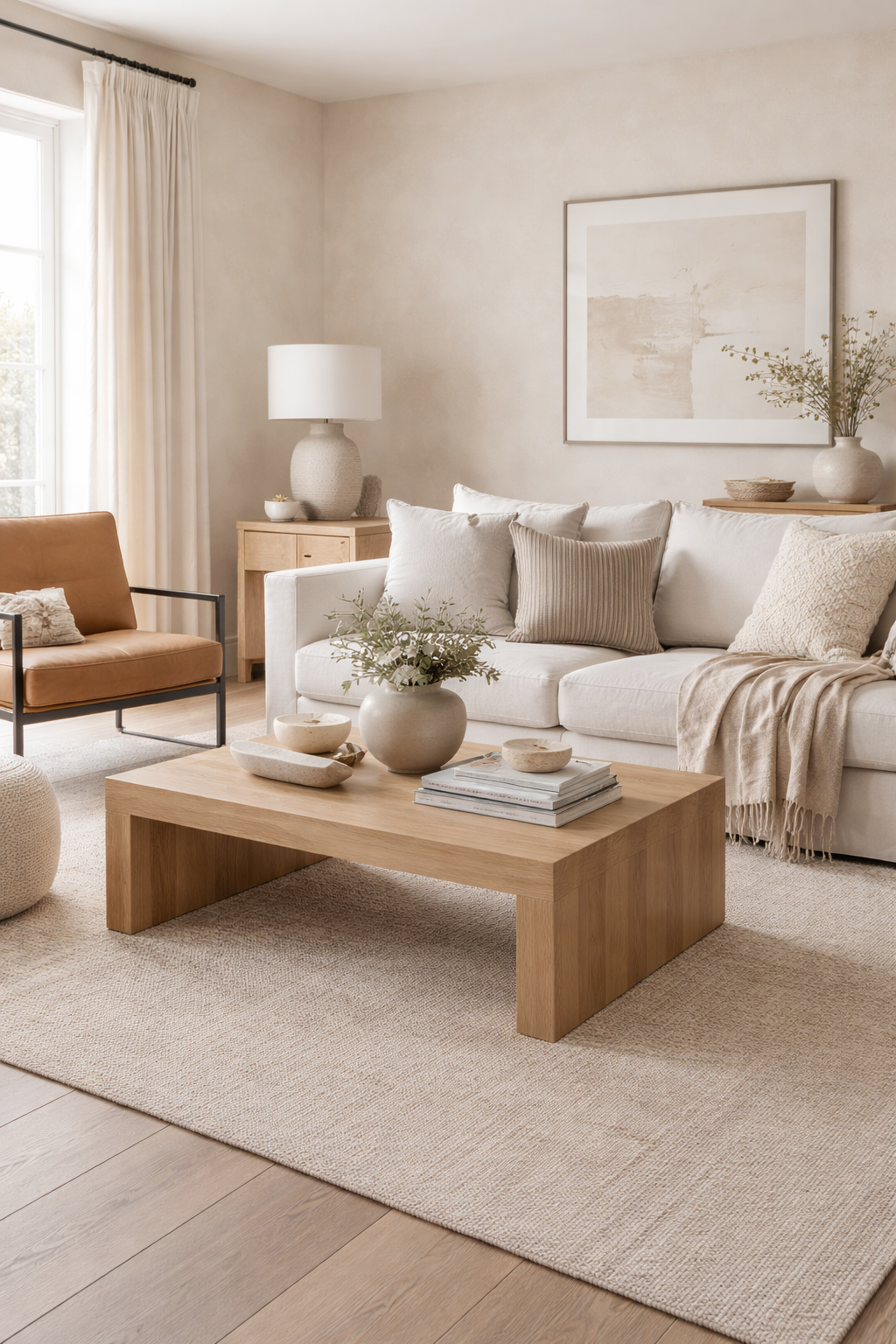
How to Layer Neutrals So Your Home Never Feels Flat
A designer’s framework for building depth, warmth, and quiet richness—without adding color.
Neutral rooms get a bad reputation—not because they’re boring, but because they’re often unfinished. The secret isn’t color. It’s depth. When neutrals are layered with intention, they feel warm, dimensional, and effortlessly elevated.
The Layering Framework
Start With Temperature
Choose warm or cool neutrals first—never mix blindly.
Build From Large to Small
Sofa, rug, and drapery establish the base layer.
Repeat Tones, Change Textures
Keep the palette tight while varying materials.
Introduce Contrast Softly
Use contrast in sheen, scale, or grain—not color.
Step 1: Choose Your Neutral Temperature
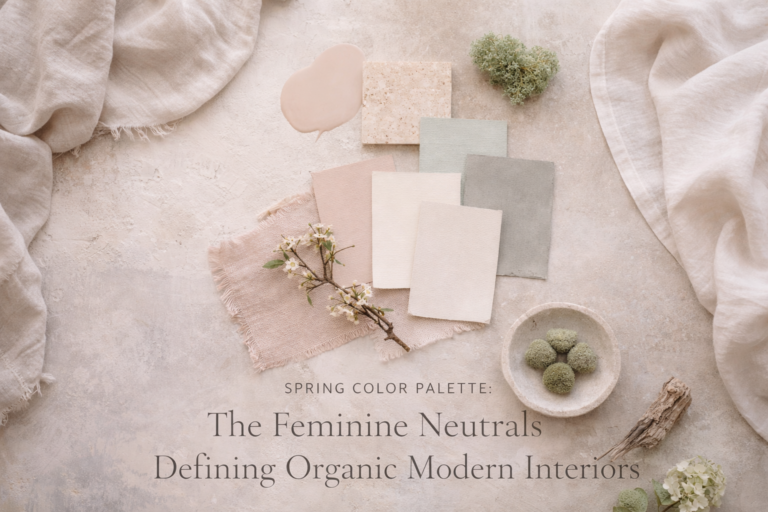
Before you layer anything, decide whether your room leans warm or cool. Warm neutrals—cream, sand, camel—feel inviting and relaxed. Cool neutrals—stone, greige, soft gray—feel architectural and refined. Mixing them without intention is the fastest way to flatten a space.
Neutrals only work when they agree on temperature.
Design principleStep 2: Establish the Base Layer
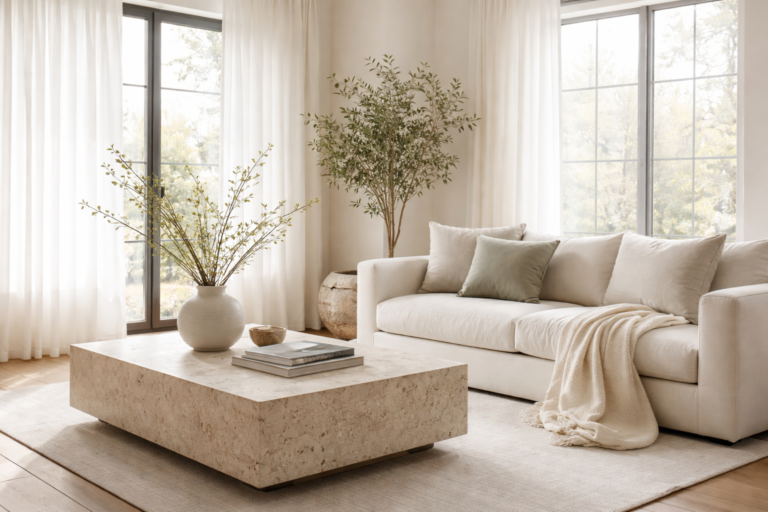
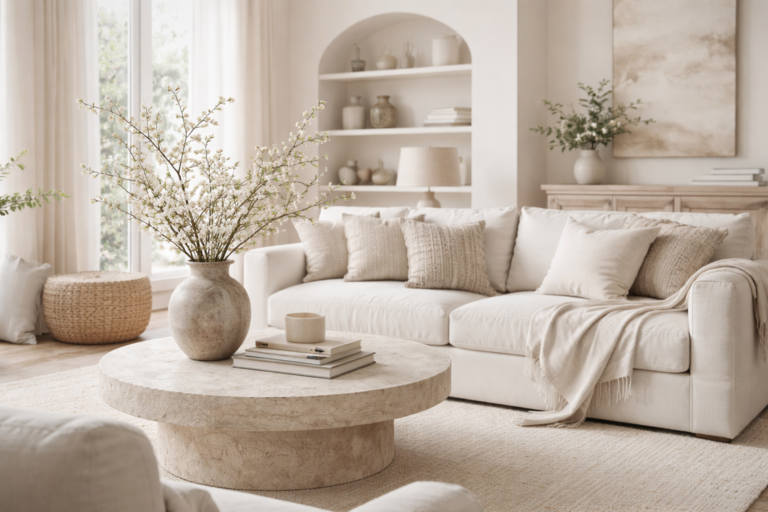
The largest surfaces do the most visual work. Rugs, upholstery, and drapery should live in the same tonal family, even if their textures differ. This creates a calm foundation that allows smaller details to shine.
The Foundation Rule
- Large pieces stay quiet and consistent.
- Variation comes later—never first.
- When in doubt, go lighter at the base.
Step 3: Layer Texture, Not Color
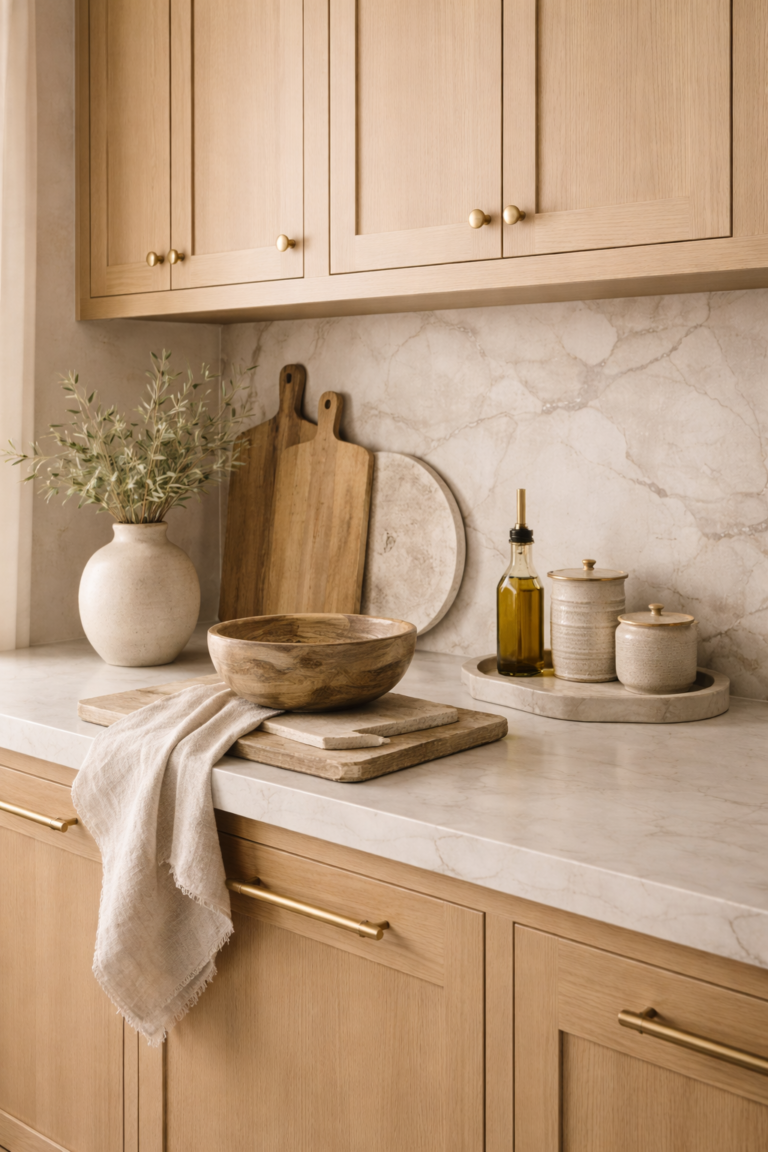
Texture is what gives neutrals their richness. Linen against wool. Smooth stone against raw ceramic. Matte finishes paired with subtle sheen. These contrasts register subconsciously, making the room feel designed rather than decorated.
In neutral rooms, texture replaces color.
Editor’s standardStep 4: Add Soft Contrast for Definition
Contrast doesn’t need to be bold to be effective. A darker wood tone, a slightly deeper neutral, or a blackened metal accent gives the eye somewhere to land—without disrupting the calm.
Frequently Asked Questions
Can an all-neutral room still feel warm?
Yes—warmth comes from material choice and texture. Linen, wool, wood, and stone naturally soften a neutral palette.
How many neutral shades should I use?
Three to five is ideal. Fewer can feel flat, more can feel chaotic. Keep them in the same temperature range.
Do I need contrast at all?
Yes, but keep it subtle. Contrast in depth or finish gives structure without breaking the serenity of the room.
Neutral rooms don’t rely on color to make an impression. They rely on composition. When tones are layered thoughtfully, the result feels calm, dimensional, and quietly luxurious—exactly as it should.