10 Designer Styling Secrets That Make Your Home Feel Quiet Luxury
10 Designer Styling Secrets That Make Your Home Feel Quiet Luxury
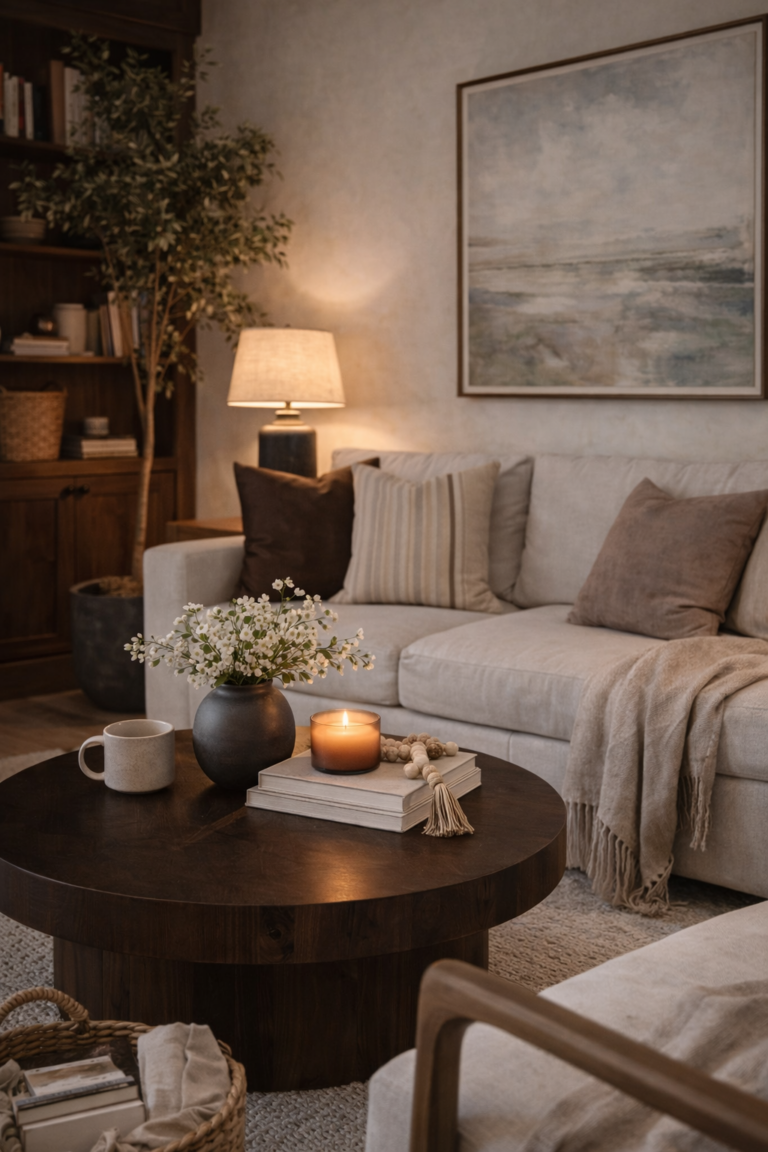
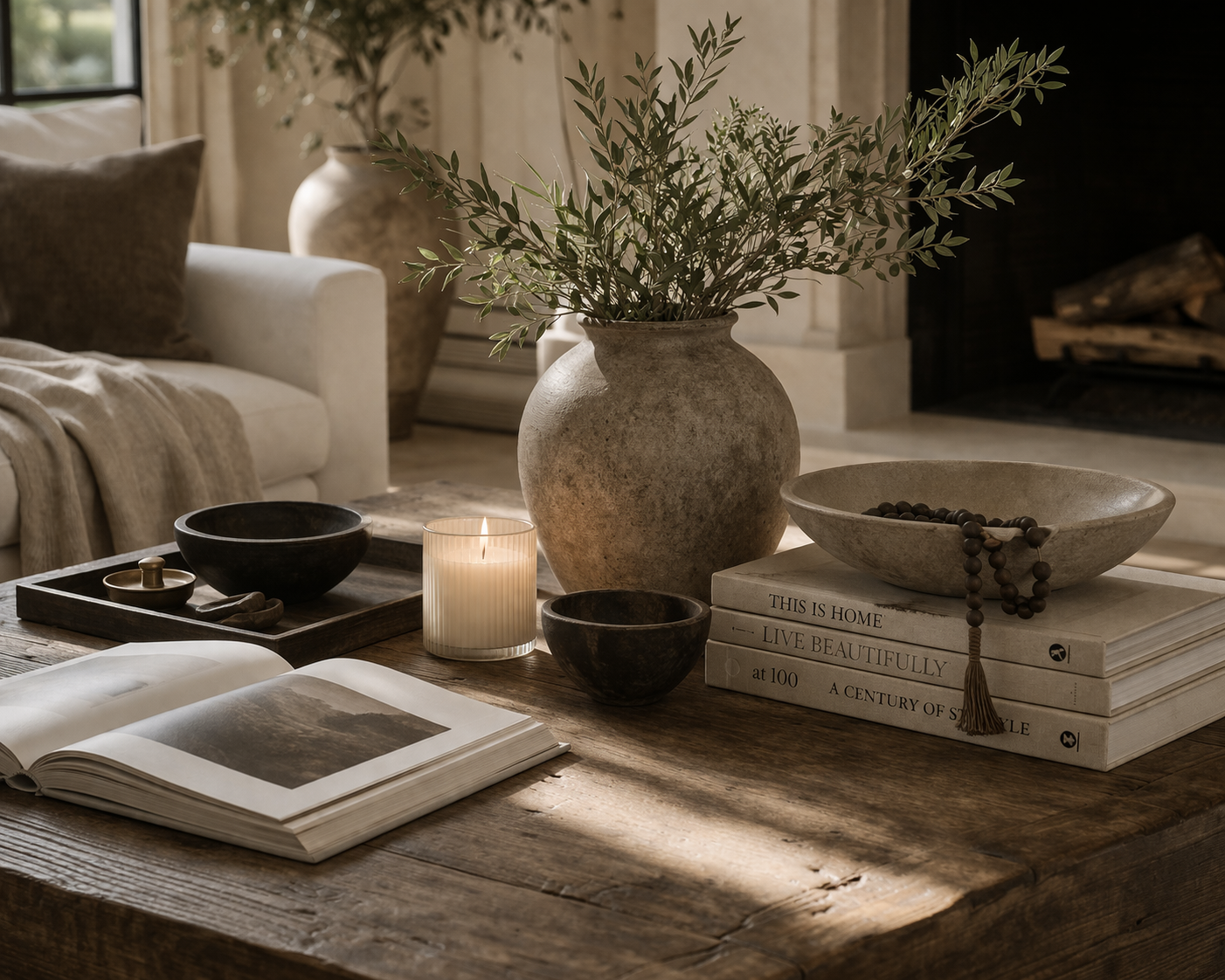
Some homes feel instantly calmer, softer, and more expensive the second you walk in. Usually, it is not because they cost more. It is because the styling is quieter, the proportions are better, and every detail feels intentional instead of added just to fill space.
This is the subtle polish layer designers use to make a home feel beautifully resolved. These are the quiet decisions that turn a room from nice into elevated.
Quiet luxury styling is about editing, not decorating harder
One of the biggest differences between a room that feels expensive and one that feels slightly off is how the final layer is handled. Styling should support the room. It should never compete with it. The best designer-styled homes feel easy because every object has a reason to be there, and nothing is trying too hard.
Quiet luxury styling is what turns a home from “furnished” into “beautifully composed.” It is about fewer pieces, better relationships between those pieces, and a stronger sense of visual calm.
If you want the broader foundation first, start with the quiet luxury home guide. If you want to apply these ideas room by room, pair this with the quiet luxury living room and quiet luxury kitchen styling guides.
Looks Like
Beautiful restraint, clean groupings, varied height, rich materials, and a little breathing room.
Feels Like
Calm, collected, warm, quiet, and deeply intentional rather than trendy or overdone.
Avoids
Scattered fillers, overly matched objects, and styling that looks like it was copied object for object.
Editor Note
Stylists do not usually make a room feel better by adding more. They make it feel better by deciding what deserves attention and what should fade quietly into the background.
Quick Q&A
Is styling really that important?
Yes. Styling is often the difference between a room feeling unfinished and a room feeling completely resolved.
Save This Idea
If your room feels off, do not ask what else to add. Ask what to remove, what to group better, and where the eye needs a calmer place to land.That single shift will instantly make your styling decisions stronger. Pin it now and come back to it later.
What every beautifully styled room has in common
- A few larger-impact moments instead of lots of tiny ones
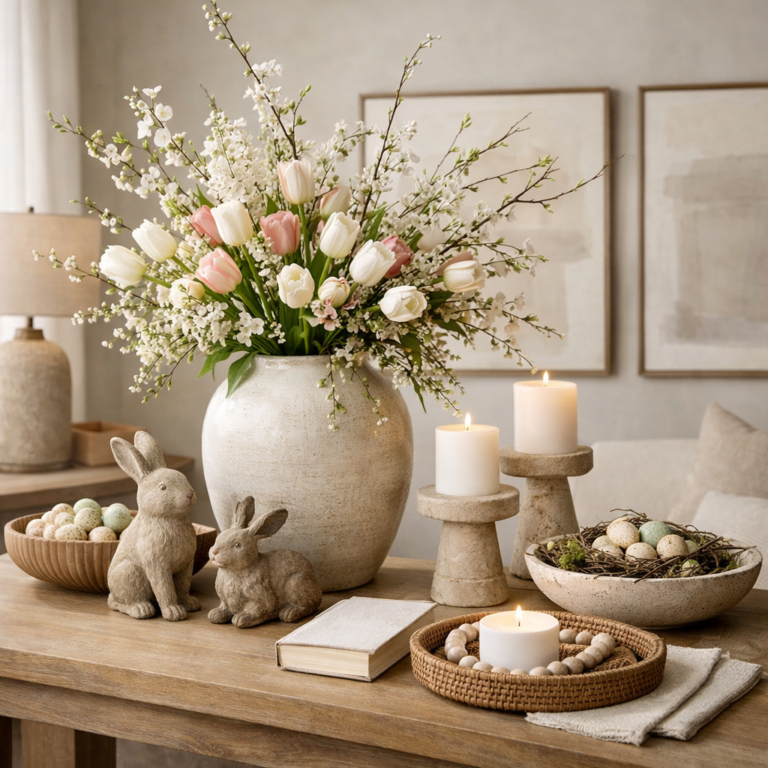
- Natural variation in height, texture, and scale
- Enough open space for the best pieces to breathe
- A palette that feels cohesive without feeling flat
Those four ideas show up again and again in designer homes. Once you start seeing them, it becomes much easier to style your own spaces with confidence.
10 Designer Styling Secrets That Make Your Home Feel Quiet Luxury
Some homes feel instantly calmer, softer, and more expensive the second you walk in. Usually, it is not because they cost more. It is because the styling is quieter, the proportions are better, and every detail feels intentional instead of added just to fill space.
This is the subtle polish layer designers use to make a home feel beautifully resolved. These are the quiet decisions that turn a room from nice into elevated.
Quiet luxury styling is about editing, not decorating harder
One of the biggest differences between a room that feels expensive and one that feels slightly off is how the final layer is handled. Styling should support the room. It should never compete with it. The best designer-styled homes feel easy because every object has a reason to be there, and nothing is trying too hard.
Quiet luxury styling is what turns a home from “furnished” into “beautifully composed.” It is about fewer pieces, better relationships between those pieces, and a stronger sense of visual calm.
If you want the broader foundation first, start with the quiet luxury home guide. If you want to apply these ideas room by room, pair this with the quiet luxury living room and quiet luxury kitchen styling guides.
Looks Like
Beautiful restraint, clean groupings, varied height, rich materials, and a little breathing room.
Feels Like
Calm, collected, warm, quiet, and deeply intentional rather than trendy or overdone.
Avoids
Scattered fillers, overly matched objects, and styling that looks like it was copied object for object.
Editor Note
Stylists do not usually make a room feel better by adding more. They make it feel better by deciding what deserves attention and what should fade quietly into the background.
Quick Q&A
Is styling really that important?
Yes. Styling is often the difference between a room feeling unfinished and a room feeling completely resolved.
Save This Idea
If your room feels off, do not ask what else to add. Ask what to remove, what to group better, and where the eye needs a calmer place to land.That single shift will instantly make your styling decisions stronger. Pin it now and come back to it later.
What every beautifully styled room has in common
- A few larger-impact moments instead of lots of tiny ones
- Natural variation in height, texture, and scale
- Enough open space for the best pieces to breathe
- A palette that feels cohesive without feeling flat
Those four ideas show up again and again in designer homes. Once you start seeing them, it becomes much easier to style your own spaces with confidence.
What instantly cheapens home styling
Too many tiny fillers
They break up the visual calm and make surfaces feel fussier than they need to be.
Everything the same height
Flat styling often feels lifeless. Variation creates movement and interest.
Perfectly matched accessories
Rooms feel more custom and elevated when pieces coordinate without looking boxed into a set.
No negative space
When every shelf and surface is full, even beautiful things lose their impact.
Editor Note
The goal is not to make every corner look “styled.” The goal is to make the house feel quietly resolved as a whole.
Pin This Reminder
Beautiful styling is not about proving you have good taste. It is about creating calm so your best pieces can actually be seen.Save this before decorating anything new. It is the kind of reminder that keeps a room elegant.
What actually makes a home feel designer-styled
A beautifully styled home usually feels edited, layered, and emotionally coherent. The rooms speak the same quiet language. Materials repeat subtly. Surfaces feel intentional. There is rhythm without repetition, softness without fussiness, and warmth without clutter.
That is why styling matters so much in a quiet luxury home. It is the finishing layer that turns beautiful ingredients into a space that feels truly complete.
1 · Restraint
Not every object deserves a starring role. Editing is part of elegance.
2 · Rhythm
Good styling repeats tones, textures, and heights in a way that feels natural.
3 · Atmosphere
The best styling supports how the room is meant to feel, not just how it is meant to look.
Apply these styling secrets all over the house
Once you understand the styling layer, these pages help you translate the same quiet luxury principles into every major room.
Subtle Upgrades
The easy high-impact shifts that make a home feel calmer and more expensive fast.
Quiet Luxury Living Room
Use the same styling ideas to create a softer, more resolved main living space.
Quiet Luxury Kitchen Styling
Apply restraint, warmth, and better composition to the hardest-working room in the home.
Quiet Luxury Entryway
Create a first impression that feels collected and beautifully intentional.
Quiet Luxury Bathroom
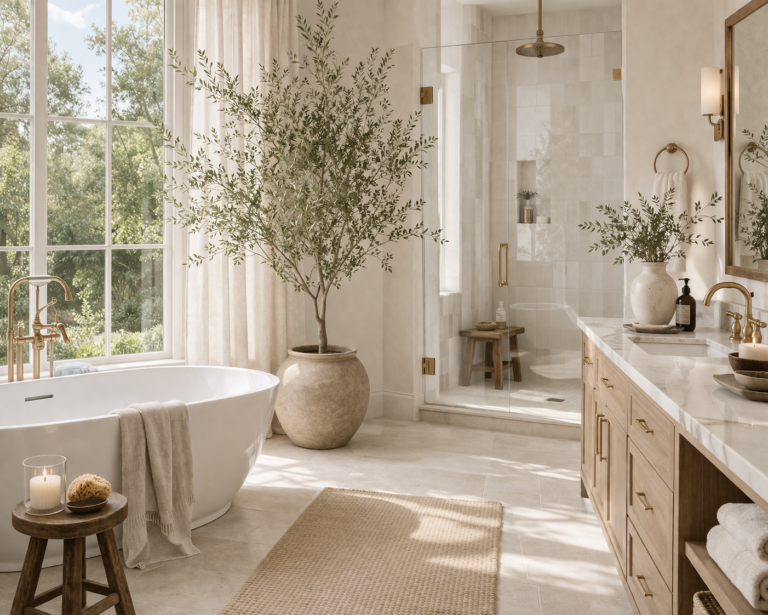
Bring the same soft, elevated restraint into a spa-like bathroom.
The Quiet Luxury Evening Reset
Keep your home feeling calm and resolved night after night with better finishing habits.
Save, Pin, Bookmark
This is the page to come back to when your room looks almost right, but still does not feel fully finished.Save it for later, pin it for your next styling reset, and use it as your designer checklist whenever a surface, corner, or whole room needs that final quiet luxury polish.
Frequently asked questions
What makes a home feel designer-styled?
A designer-styled home usually feels edited, balanced, layered, and intentional. The styling supports the room instead of overwhelming it.
How do I style shelves without making them look cluttered?
Use fewer pieces, vary the height, repeat tones and textures, and leave some visible negative space so the shelves can breathe.
What is the easiest styling formula to remember?
One grounding piece, one taller piece, one softening detail, and breathing room. That formula works almost anywhere.
How many decor items should be in one styled grouping?
Usually two to four pieces are enough, depending on the size of the surface. The goal is balance, not fullness.
Does everything in a room need to match?
No. Rooms feel more elevated when pieces relate to one another without looking identical or overly coordinated.
How do I make decor look more expensive?
Choose better scale, richer materials, calmer groupings, and fewer filler items. What you leave out matters as much as what you include.
What should I remove first if a room feels overstyled?
Start with the smallest filler objects, anything repeated without purpose, and anything that interrupts the room’s palette or visual calm.
Similar Posts
10 Small Upgrades That Make Your Home Feel Instantly More Luxurious This Spring
Home / Spring Reset Guide / Small Luxury Home Upgrades Spring Resets • Luxury Feel 10 Small Upgrades That Make Your Home Feel Instantly More Luxurious This Spring Luxury in spring is rarely about redoing the whole house. It is about a handful of thoughtful upgrades that change the way the space feels: softer light,…
Spring Entry Table Makeover
SPRING ENTRY STYLING • ORGANIC MODERN Spring Entry Table Makeover A feminine, organic modern approach to entry table styling—soft florals, sculptural ceramics, and intentional negative space. Designed to feel editorial and timeless (never themed), with a quiet luxury finish that reads custom. Soft feminine palette (pearl + blush + champagne) The 5-layer luxury styling formula…
Quiet Luxury Bathroom
Quiet Luxury Series · My Proper House Quiet Luxury Bathroom: How to Create a Spa-Like Space at Home A quiet luxury bathroom does not feel flashy. It feels serene. The counters are calm. The textures are soft. The palette is warm and gentle. The whole room feels like a private exhale at the beginning and…
An Organic Modern Valentine’s Day Home: Romantic Without Feeling Themed
Builder-Grade → Custom Series • Article 5 of 6 An Organic Modern Valentine’s Day Home: Romantic Without Feeling Themed A soft, elevated approach to Valentine’s styling—where the home still feels like your home. Think warmth, quiet romance, and natural texture (not bright red decorations). Reading time: ~8 minutes Focus: seasonal styling with restraint Back to…
The Ultimate Spring Closet Checklist: What to Keep, Toss, and Store
Spring Closet Reset The Ultimate Spring Closet Checklist: What to Keep, Toss, and Store The most beautiful spring closets feel lighter for a reason. They are edited with intention, organized with softness, and built around what actually deserves space this season. Shop the Organization Edit A spring closet reset feels easier — and looks far…
Spring Color Palette
COLOR THEORY • ORGANIC MODERN • FEMININE NEUTRALS Spring Color Palette: The Feminine Neutrals Defining Organic Modern Interiors The most luxurious spring palettes don’t shout “color.” They glow. Think sun-washed neutrals, softened greens, and blush undertones that make a home feel calm, feminine, and quietly expensive in natural light. Designer framework Light-first palette planning Undertones…