The 3-Zone Reset: How to Refresh Your Home Without Tearing Everything Apart
The 3-Zone Reset: How to Refresh Your Home Without Tearing Everything Apart
If a full-house reset feels too big, this is the smarter way to do it. Instead of trying to transform every room at once, divide your home into three strategic zones and work in the order that creates the biggest visual and emotional payoff first.
Why whole-home resets fall apart
Most spring resets go sideways because the goal is framed too broadly. “Refresh the house” sounds inspiring for about five minutes, then turns into too many rooms, too many decisions, and too much effort without enough visible payoff. You work hard, but because the energy is scattered, the home does not feel dramatically different fast enough to keep momentum alive.
The 3-zone reset solves that problem. It organizes your spring effort around the way a home is actually experienced — first impressions, daily living, and personal retreat. Once you see your home in those three layers, it becomes much easier to know where to start and what matters most.
This page is especially useful after The No-Overwhelm Declutter Method or 15 Things to Remove From Your Home This Spring, because once the visual drag is reduced, the broader structure of the home becomes much easier to reset well.
The 3 zones that actually change how your home feels
Think of this as a designer’s reset map. These are the three zones that create the strongest spring transformation when you work through them in order.
The welcome zone
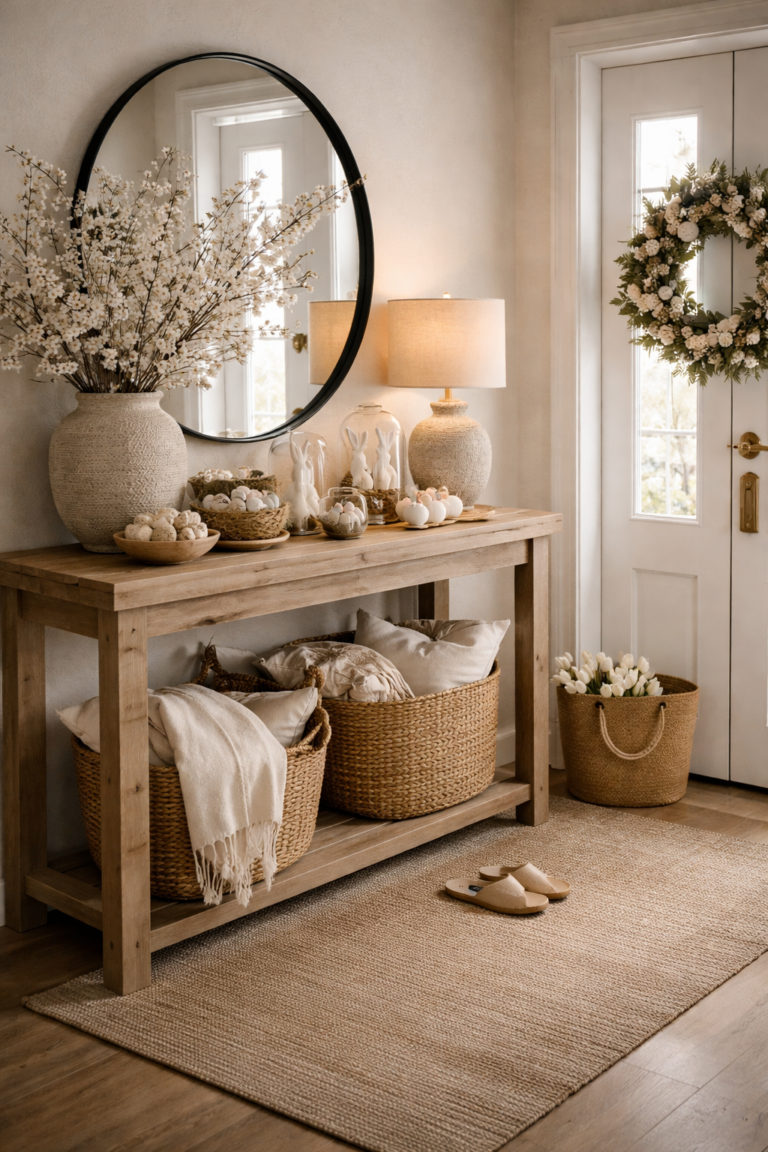
Your entry, foyer, front door moment, drop zone, and any immediate sightline a guest or family member sees first. This zone shapes the first emotional impression of the home.
The daily living zone
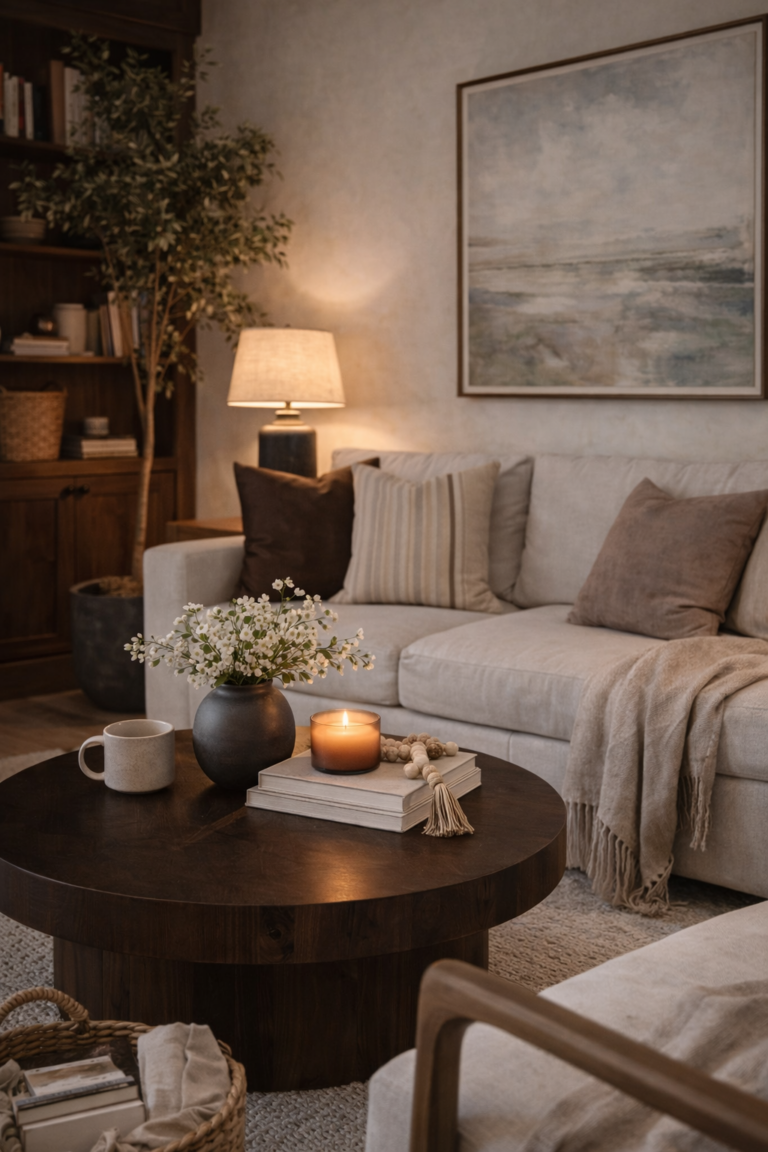
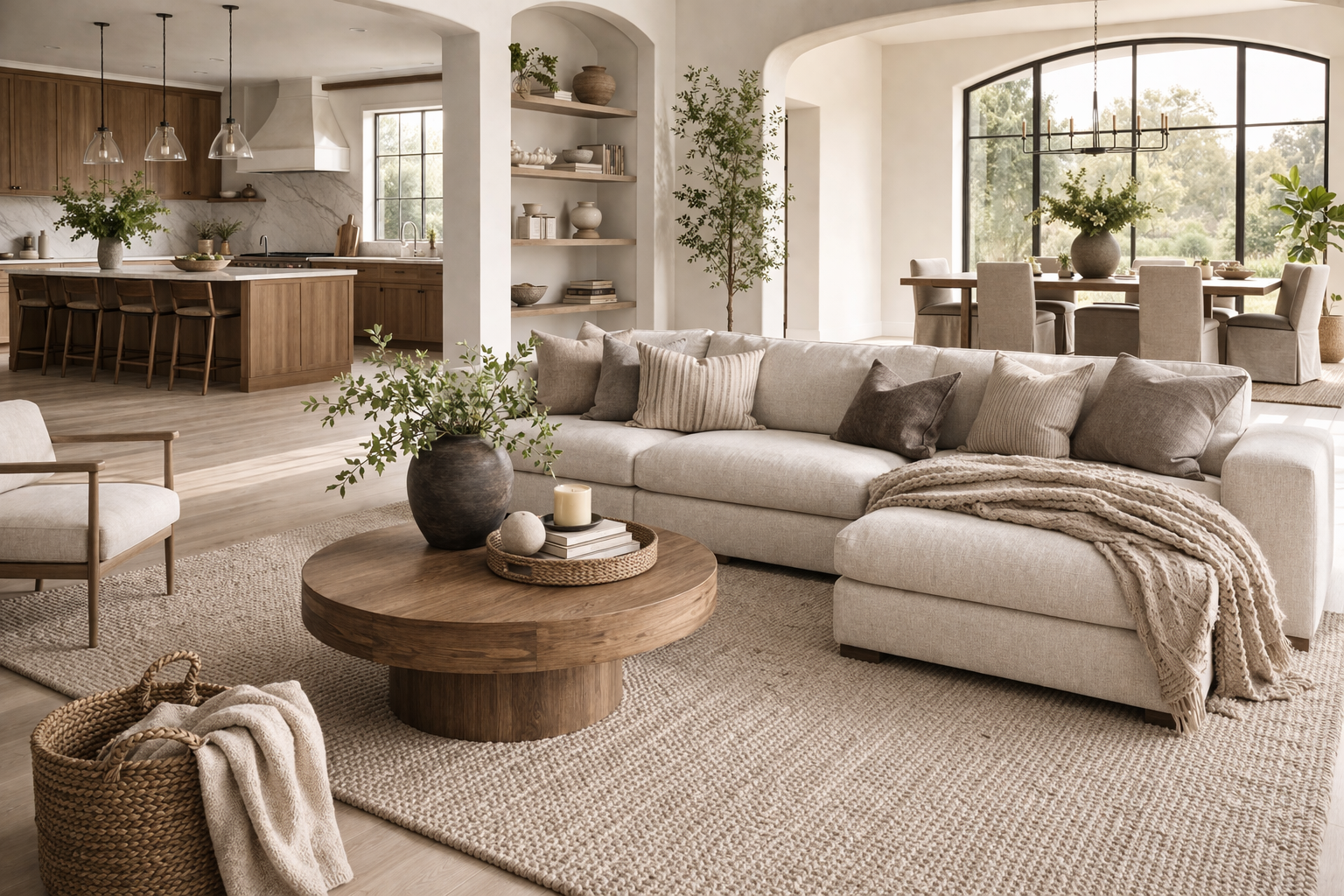
Your living room, kitchen, breakfast nook, and any open-concept area where daily life visibly happens. This is the zone that gives the home its main seasonal mood.
The retreat zone
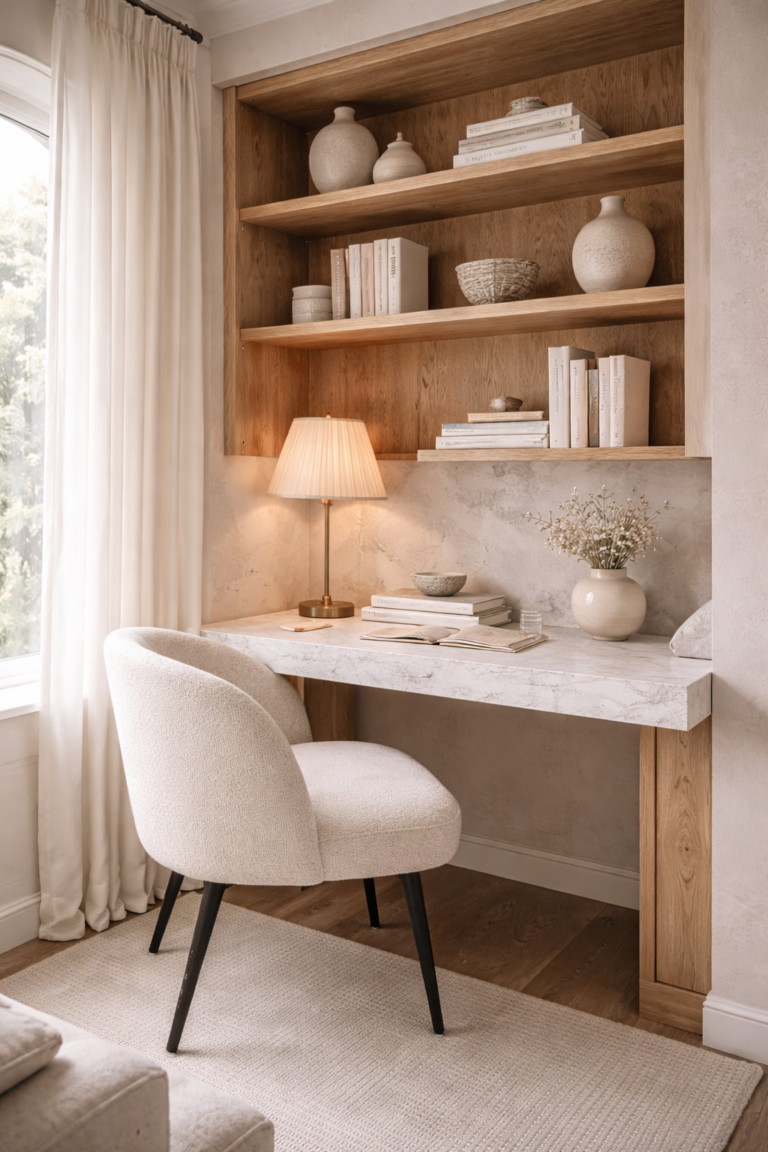
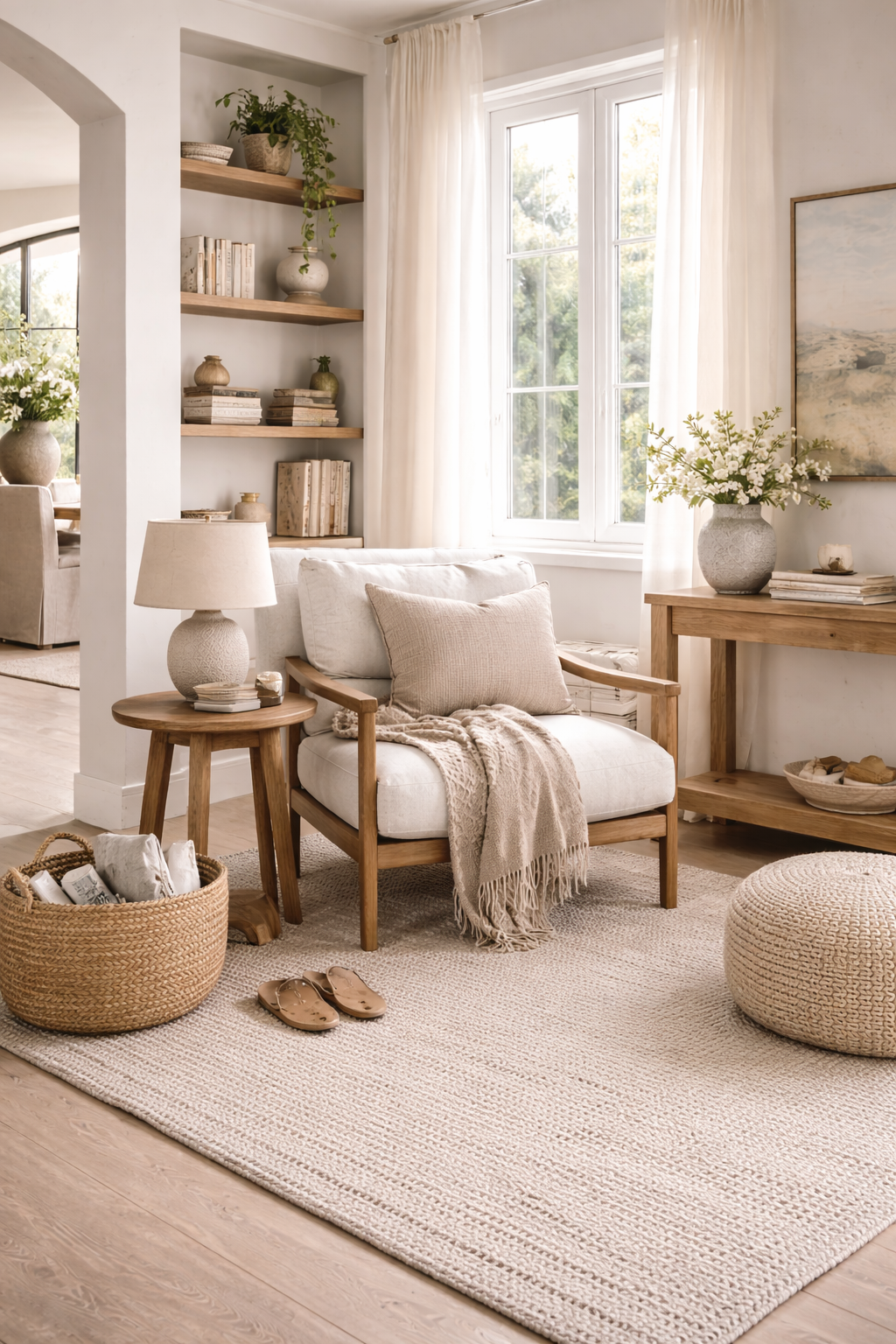
Your bedroom, reading nook, bathroom, or one quiet corner that helps the home feel restorative. This zone matters because spring should feel lighter emotionally, not just visually.
How to use the 3-zone reset
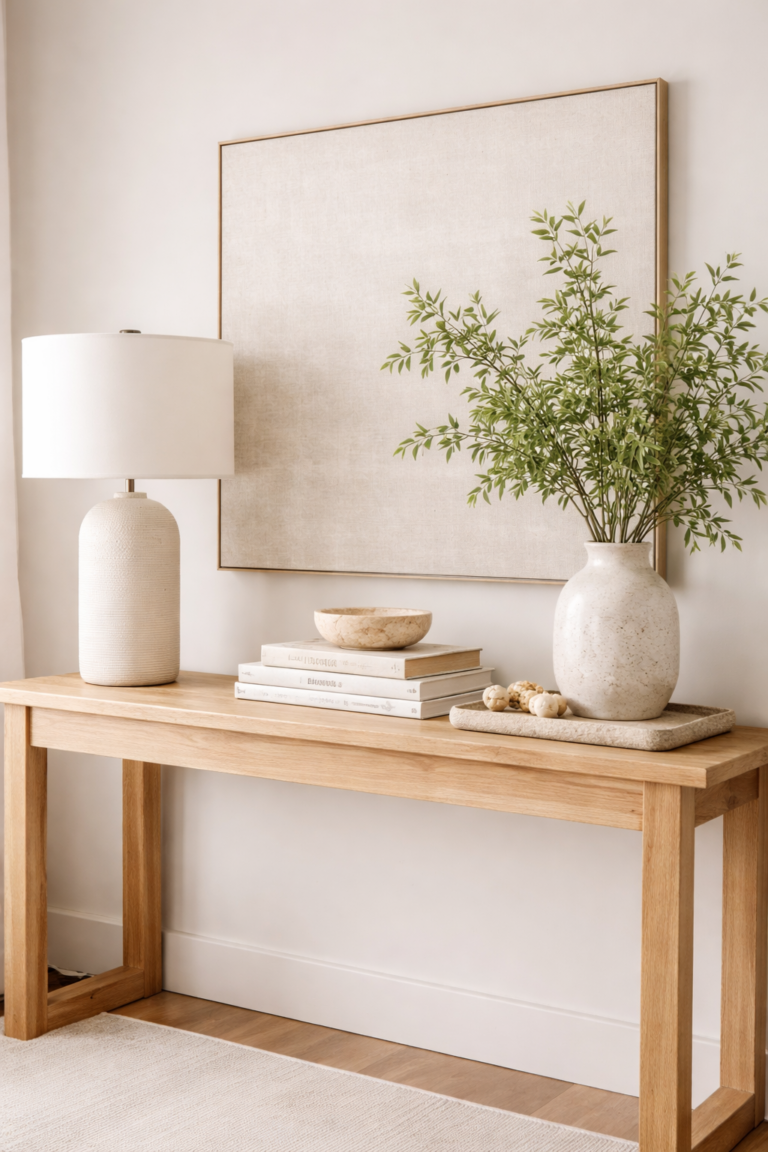
Start with the welcome zone because it gives you the fastest visible emotional shift. A cleaner entry, a reset console, fewer shoes, fewer small objects, and one intentional styling moment can make the entire home feel more composed before you even touch the main living areas.
Then move to the daily living zone, which usually creates the biggest payoff in open-concept homes. This is where surfaces, coffee tables, sectionals, rugs, counters, and accent chairs all work together to define the spring mood of the house.
Finish with the retreat zone. This is what prevents the reset from feeling purely functional. When the home also has one place that feels calm, edited, and emotionally restful, the whole spring shift lands differently.
Reset the welcome zone first
Because first impressions create instant momentum — and because you deserve to walk into a home that already feels calmer.
Then reset the daily living zone
Because this is where visual noise accumulates fastest and where the spring identity of the home is really built.
Finish with the retreat zone
Because luxury is not just about looking clean. It is about how the space makes you feel when you actually live in it.
What to focus on in each zone
Welcome zone focus
- clear the drop-zone clutter
- reduce small objects on the console
- add one fresh branch or sculptural vase
- keep the floor line and walkway open
Daily living zone focus
- edit coffee table styling
- lighten throws and soft layers
- reduce countertop and surface clutter
- make furniture spacing feel more breathable
Retreat zone focus
- clear nightstands and resting surfaces
- remove anything visually harsh or noisy
- soften the room with texture and restraint
- leave space for calm, not just decoration
A realistic way to work through the zones
- ✓Pick one block of time for the welcome zone and do not let it spread beyond that.
- ✓Use the second work block for your main living area, where the payoff is highest.
- ✓Finish with your bedroom, nook, or bath so the reset ends on softness, not exhaustion.
- ✓Take before-and-after photos between zones so the shift feels more visible and rewarding.
- ✓Use a weekly maintenance rhythm later with The Sunday Reset Routine.
Editor notes: what makes this method feel so much easier
It gives every room a role
Once you know whether a space is welcoming, social, or restorative, it is easier to decide what belongs there and what does not.
It respects energy, not just square footage
Some rooms affect your mood far more than others. The 3-zone reset is built around emotional impact, not equal treatment.
It creates layered transformation
You get the feeling of a whole-home refresh without tearing the entire house apart at once.
The mistake to avoid
Do not overcomplicate the categories. This is not a labeling exercise. It is a focus exercise. A combined living-dining-kitchen space can simply become your daily living zone. A narrow hallway entry with one console is still your welcome zone. A chair in a bedroom corner can become part of your retreat zone.
The point is not perfect boundaries. The point is better sequence.
Room refresh picks that support the 3-zone reset
These pieces work especially well when you want your daily living zone to feel calmer, softer, and more intentional after the decluttering is already done.
POLY & BARK Goa Coffee Table
A strong anchor piece for the daily living zone, especially if your current coffee table adds too much visual noise.
Shop on Amazon110" Cloud Sectional Couch
Creates that soft, elevated, lounge-worthy feeling that helps the main living space feel lighter and more luxurious.
Shop on AmazonJute Cotton Hand-Woven Natural Rug
Grounds the room while keeping the palette organic, open, and spring-friendly.
Shop on AmazonMid-Century Modern Accent Chair
Perfect for creating a refined retreat moment in a bedroom corner, reading nook, or quiet edge of a living space.
Shop on AmazonRead this next
How to Reset Your Living Room for Spring
The best next read if your daily living zone needs the strongest visible refresh.
Spring Home Refresh Checklist
Use this when you want the full spring reset process laid out in a clearer, more step-by-step sequence.
The Sunday Reset Routine
The page to read once the zones are reset and you want the whole home to stay that way.
FAQ: the 3-zone reset
What is the 3-zone reset method?
Why is this easier than a full-house reset?
What rooms belong in each zone?
Which zone should I start with?
What should I read after this article?
You do not need to reset every room at once to make your home feel transformed.
Use the 3-zone system to focus your energy where it matters most, then move deeper into the cluster for living room styling, maintenance routines, and a more elevated spring atmosphere overall.