The “No-Overwhelm” Declutter Method: Reset Your Home Without the Stress
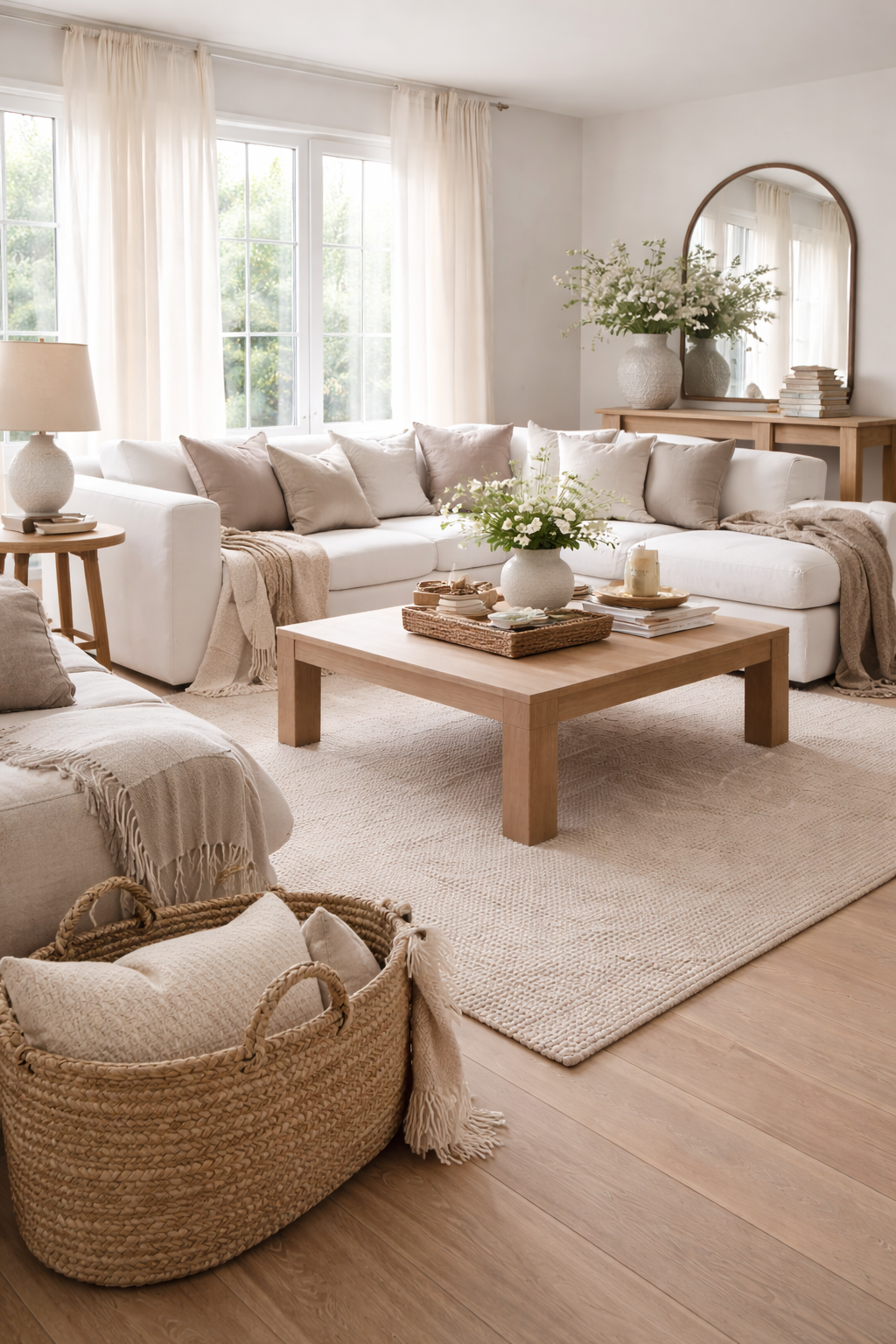
The “No-Overwhelm” Declutter Method: Reset Your Home Without the Stress
If traditional decluttering advice makes you want to avoid the whole thing, this is the softer, smarter way in. No giant messes on the floor. No unrealistic all-day purge. No pressure to become a minimalist overnight. Just a calm method that helps your home feel lighter and more beautiful without draining you in the process.
You do not need a harsher method. You need a gentler one that actually works.
Most decluttering advice falls apart for one reason: it assumes the problem is motivation. Usually it is not. Usually the problem is emotional friction. Too many decisions. Too much visual chaos all at once. Too much pressure to finish everything in one shot. That is why so many people start strong, create three piles in the middle of the room, and then feel even more overwhelmed than they did before.
The no-overwhelm declutter method is different. It is designed to reduce decision fatigue, keep the house functional while you work, and create visible progress quickly enough that you actually want to continue. It turns decluttering from a dramatic event into a calming reset.
It is also one of the best companions to The Spring Reset Method, because once clutter stops pulling visual energy out of the room, everything else begins to land better — your styling, your routines, your cleaning, even the way the light hits the space.
Why traditional decluttering feels so overwhelming
Too many decisions at once
When every object becomes a major choice, even a simple room can feel mentally exhausting within minutes.
Too much visual disruption
Pulling everything out at once often makes the room look worse before it looks better, which kills momentum fast.
Too much pressure to finish
Decluttering works better when it is repeatable. Perfection pressure turns a helpful reset into an emotional burden.
The no-overwhelm declutter method
This method is built around one principle: protect your nervous system while you improve the room. That means smaller passes, more visible wins, and less chaos created in the process.
Choose one calm zone
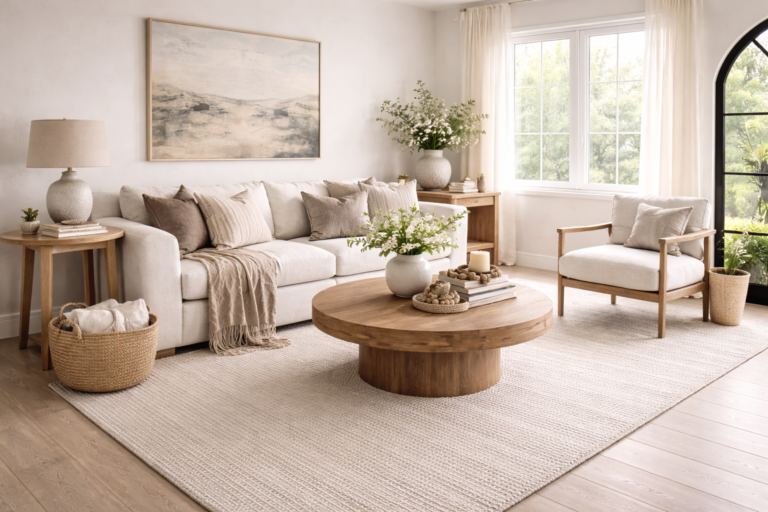
Pick a single surface or one tight area first: a coffee table, entry console, kitchen counter section, nightstand, dresser top, or one shelf.
Use the lightness test
Ask one question only: does this make the room feel lighter, calmer, and more intentional — or not? Keep the test simple.
Finish the zone fully
Do not leave half-done piles. Reset the surface, clear the extras, wipe it down, and let yourself enjoy the visual payoff.
Stop before you crash
Momentum lasts longer when you quit with energy still left. The goal is repeatable progress, not one dramatic burnout session.
How to start when everything feels like too much
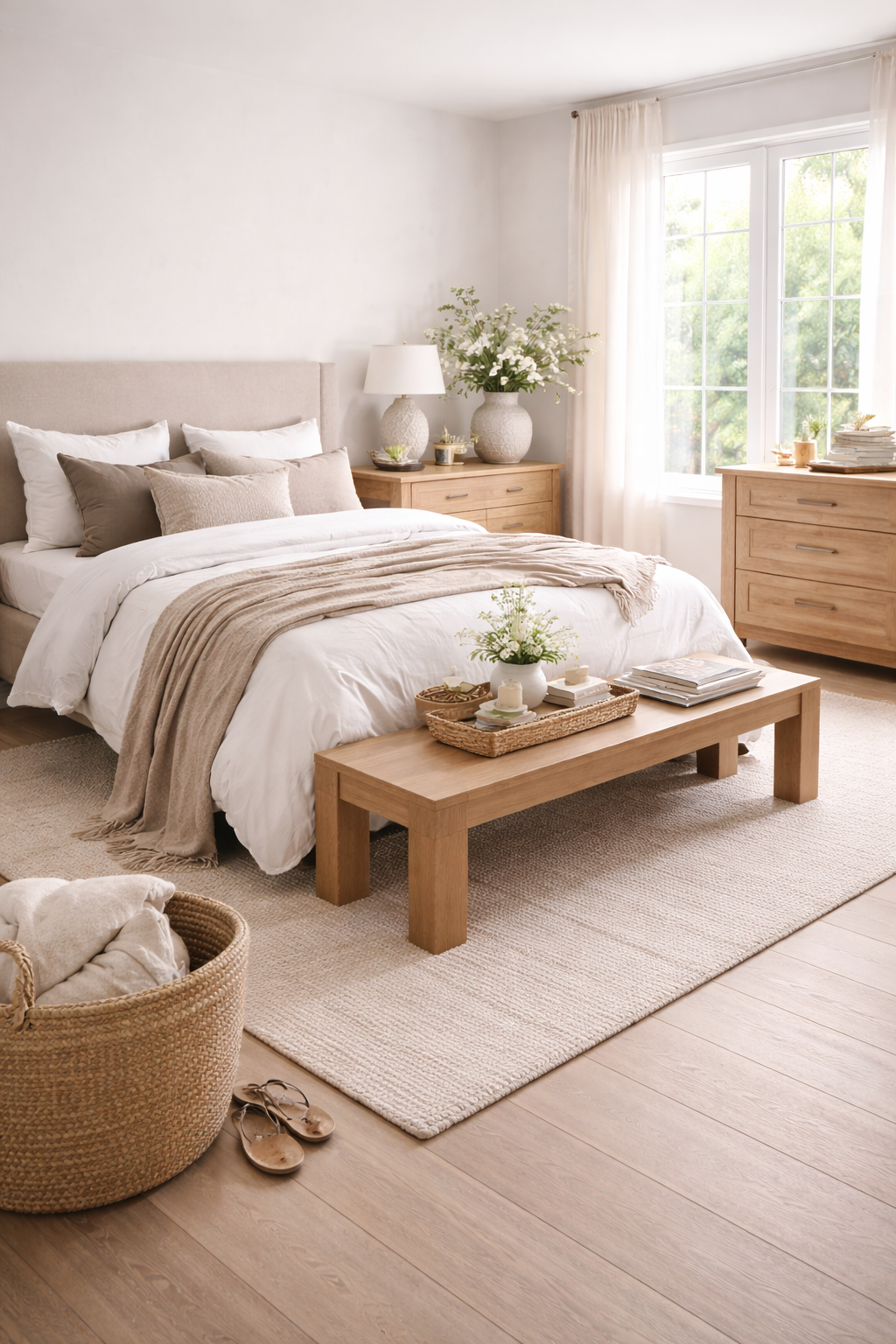
If your whole house feels overwhelming, do not treat the whole house as the job. Treat one visible zone as the job. This is the single most important shift. Your brain can handle one coffee table. It can handle one console. It can handle one corner of the kitchen. It freezes when the assignment becomes “fix the house.”
The no-overwhelm method is especially powerful when you begin with the spaces that visually greet you first. Entry surfaces. Living room tables. Kitchen counters. Bedroom tops. Those spaces do more emotional work than hidden drawers because they shape how the entire home feels in real time.
Great first “calm zones”
- coffee table surface
- entry console or drop zone
- one kitchen counter run
- nightstand or dresser top
- bathroom vanity surface
- the first open shelf your eye lands on
Zones to save for later
- packed closets that need full decision days
- garage or attic storage
- memory bins or sentimental keepsakes
- rooms that require hauling everything out first
- anything that will leave the house unusable while you work
The lightness test: the easiest decluttering question to use
When people get stuck, it is usually because they are asking too many questions. Do I use this enough? Could I need it later? Is it still fine? Did someone gift it to me? Should I move it somewhere else?
For spring decluttering, use one primary question first: does this make the room feel lighter, calmer, and more intentional? That question instantly brings you back to the actual goal. If something is useful but visually noisy, maybe it simply needs a better home. If something adds nothing but clutter, you have your answer.
This is what makes decluttering feel less moral and more aesthetic. You are not judging yourself. You are editing the room.
Use this test on:
- small accessories you stopped noticing
- duplicate décor pieces
- visual filler that does not add beauty
- seasonal items that no longer fit the room
- surface clutter that steals light from the space
Editor notes: how to keep decluttering from turning into a whole event
Never empty a whole room to “get serious”
That move feels productive for ten minutes and punishing after that. Calm progress beats dramatic disruption every time.
Let the room reward you quickly
Visible improvement matters. The eye needs to see beauty returning or motivation disappears.
Do not declutter everything to the same level
Some areas need a deep edit. Others just need one cleaner surface and fewer competing objects.
What to do when you freeze mid-process
- ✓Return to one smaller zone instead of pushing through a big one.
- ✓Wipe the surface and reset it, even if the declutter is not “done.”
- ✓Take one bag of obvious extras out of the room immediately.
- ✓Stop before resentment builds. You will come back better tomorrow.
How this method makes your home feel more expensive
Cleaner sightlines
Less visual noise allows the architecture, textures, and better pieces in the room to actually stand out.
Better styling impact
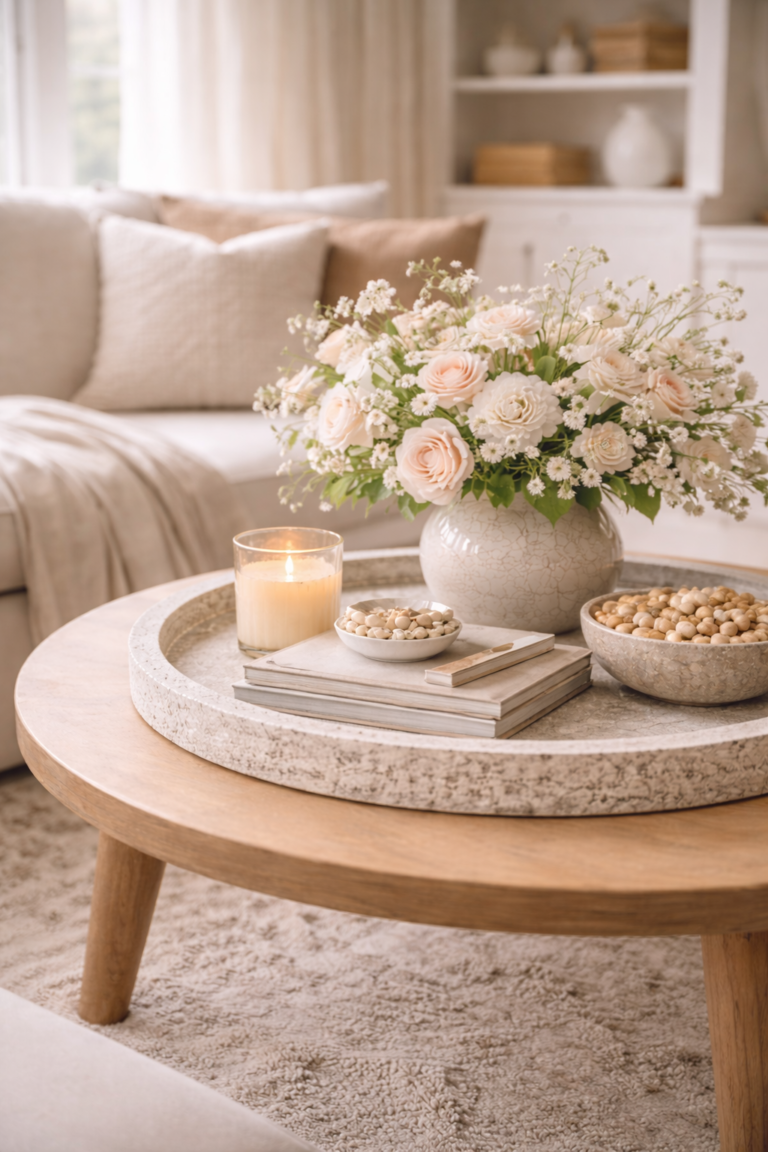
One candle, one vase, one tray, and one stack of books look more refined when they are not competing with clutter.
More calm in everyday life
A room that feels easier to maintain always reads more elevated than a room that feels perpetually behind.
Read this next
15 Things to Remove From Your Home This Spring
The perfect follow-up if you want an even faster, more visible edit of what is making the home feel heavy.
The 3-Zone Reset
Best next if you want a broader system after doing your first few calm zones.
Spring Home Refresh Checklist
Use it when you want the entire reset process mapped out in a more structured, designer-style order.
FAQ: the no-overwhelm declutter method
What is the no-overwhelm declutter method?
Where should I start decluttering if my house feels overwhelming?
How is this different from traditional decluttering?
What if I get stuck making decisions?
What should I read after this article?
Decluttering should make your home feel calmer — not make your whole day unravel.
Use this method to create lighter, more intentional spaces without overwhelm, then move deeper into the cluster for faster visual edits, full reset systems, and designer-level spring styling.