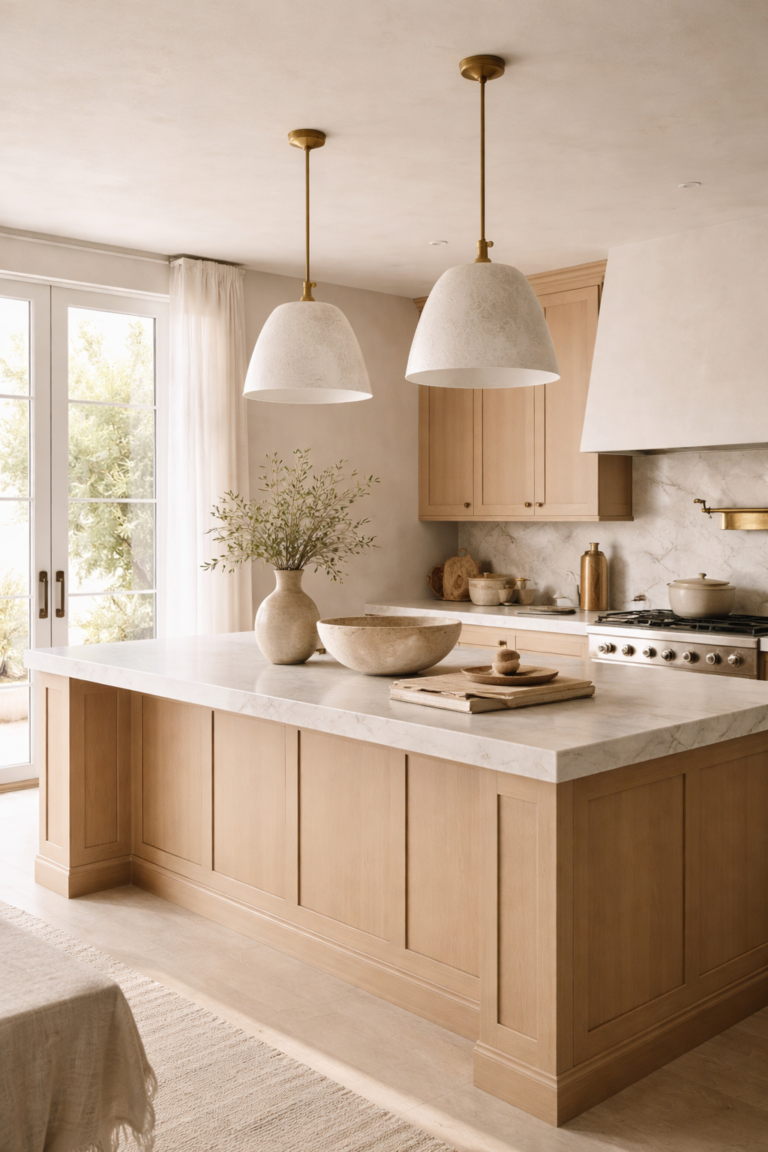
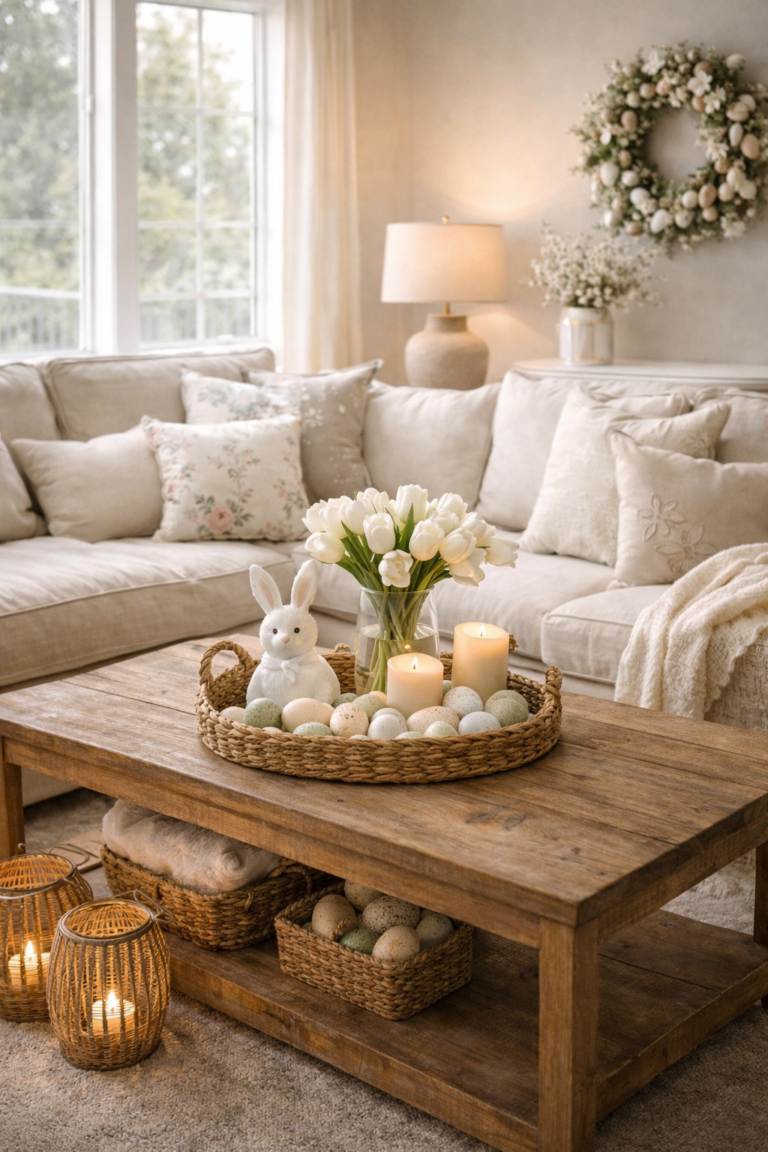
15 Things to Remove From Your Home This Spring
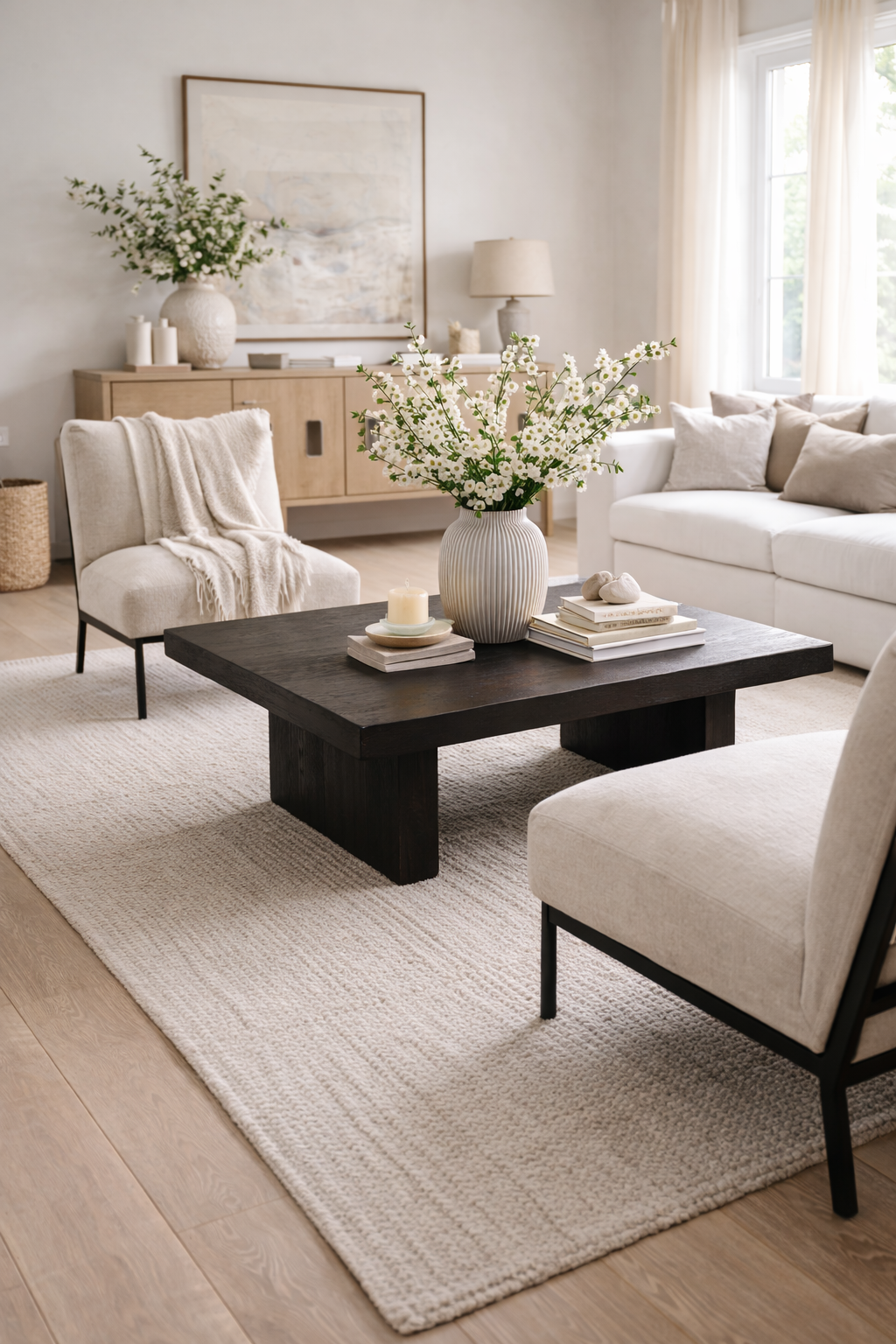
15 Things to Remove From Your Home This Spring (That Instantly Make It Feel Expensive)
Sometimes the fastest way to make your home look better is not buying anything at all. It is removing the things that quietly make the room feel crowded, dated, mismatched, or visually cheap. This is the spring edit that creates immediate payoff.
The secret to an expensive-feeling home is often subtraction
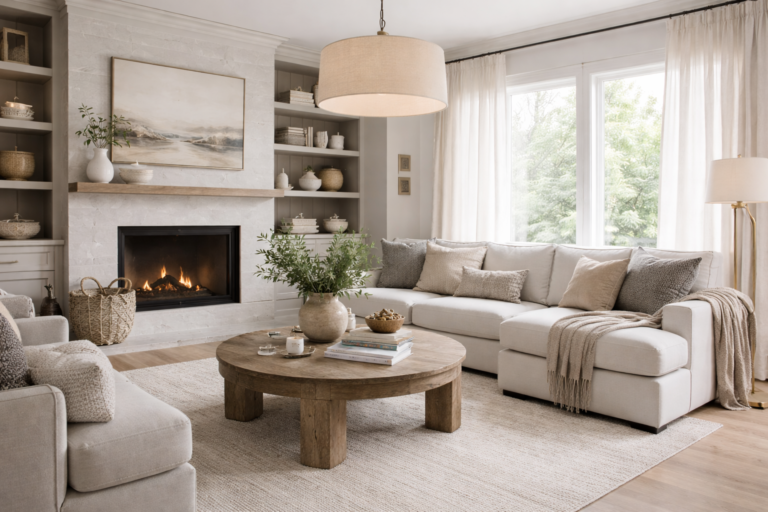
A room rarely looks elevated because it has the most in it. It looks elevated because what is there feels intentional. The palette feels cleaner. The surfaces feel calmer. The proportions feel more considered. The eye is not being pulled in ten directions by filler, clutter, duplicates, or objects that no longer belong in the story of the room.
This is why spring is the perfect time for a visual edit. Once the season shifts, anything stale, heavy, overly crowded, or out of sync becomes even more obvious. Removing the right things can make your home feel more polished in one afternoon.
If you want the full whole-home framework, start with The Spring Reset Method. If decluttering tends to overwhelm you emotionally, pair this with The “No-Overwhelm” Declutter Method.
Why removing the right things changes a room so quickly
It improves sightlines
When fewer distracting objects compete for attention, the room feels bigger, calmer, and more considered almost immediately.
It lets your best pieces breathe
The furniture, lighting, textures, and styling you actually love become more visible when they are not crowded by extras.
It makes styling feel intentional
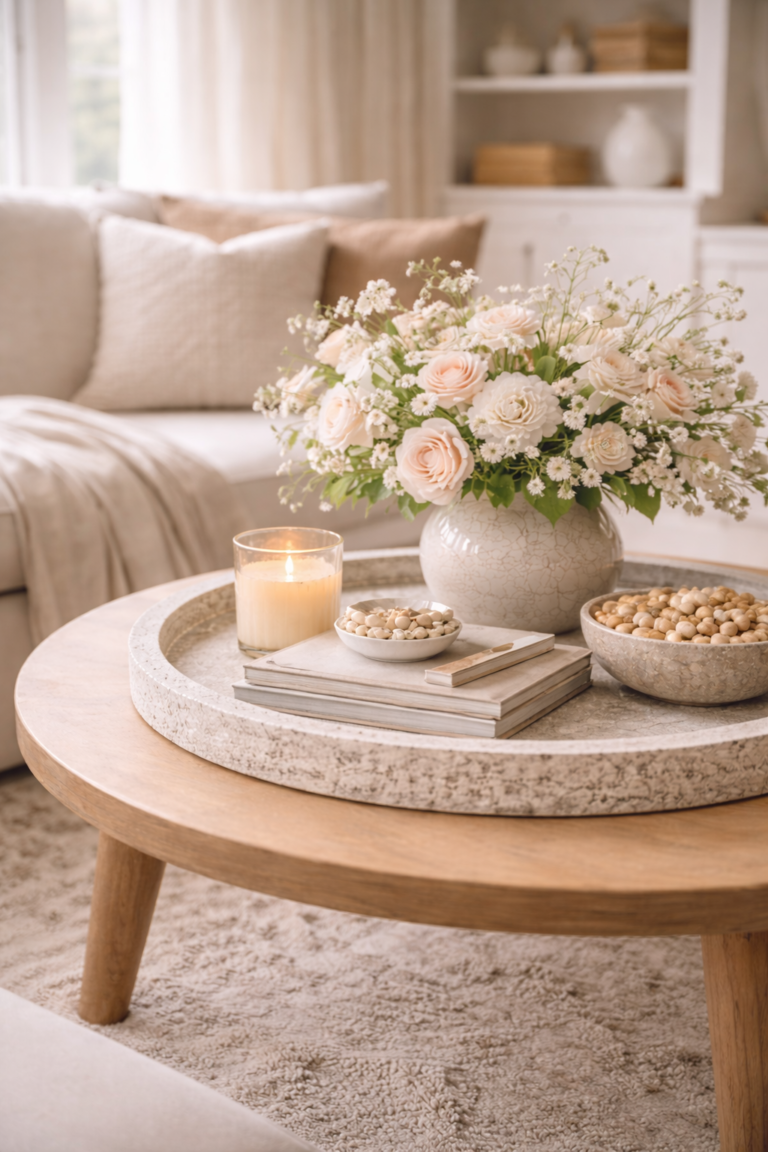
One elegant tray or vase reads as editorial when it has space. It reads as clutter when it is buried in too much else.
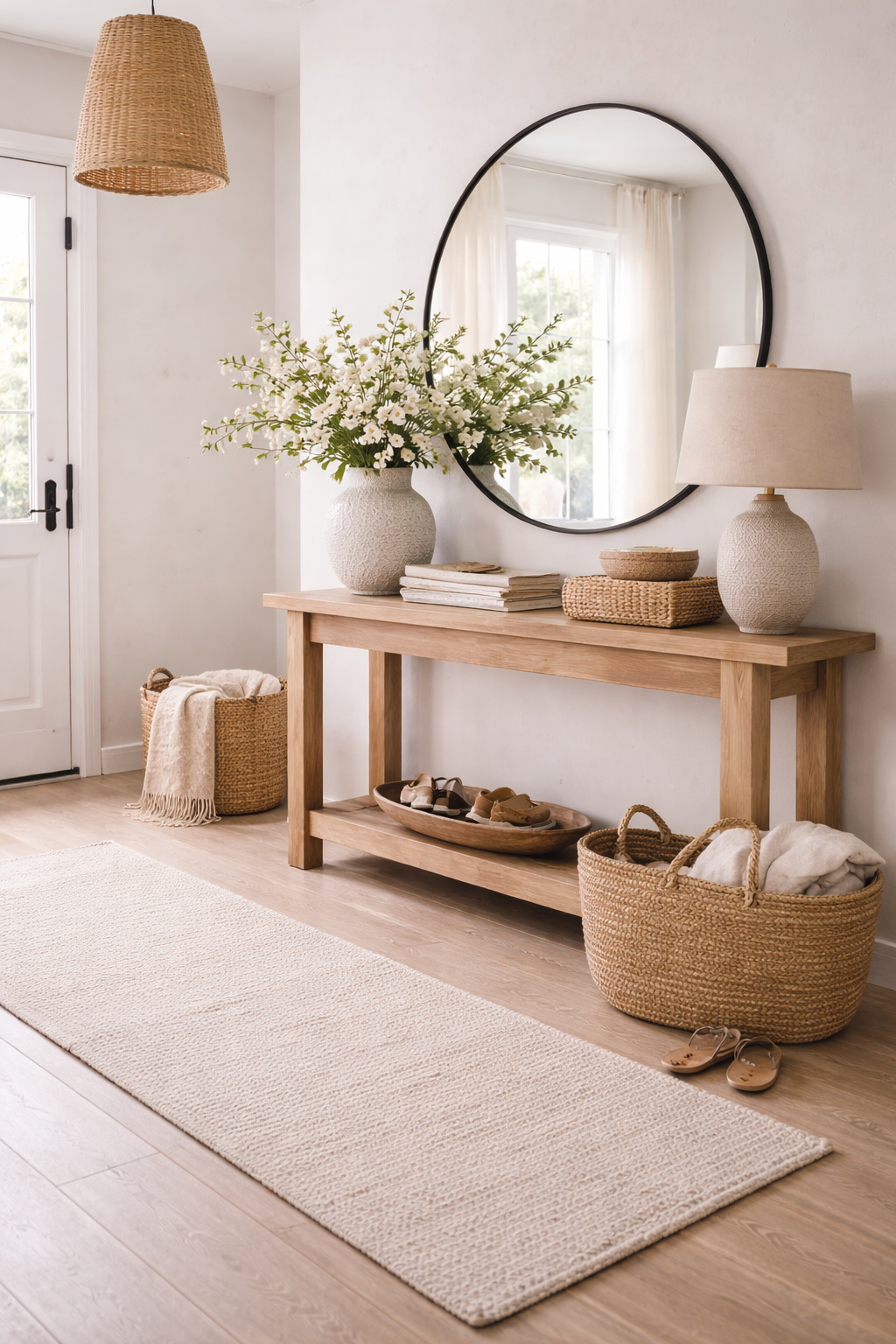
15 things to remove from your home this spring
You do not need to remove all of these from every room. Start with the ones that instantly create visual lift where you live most.
Small clutter piles on visible surfaces
Paper stacks, keys, chargers, receipts, sunglasses, pens, and random “for now” items make a room feel unsettled the second you walk in.
Too many decorative accessories in one spot
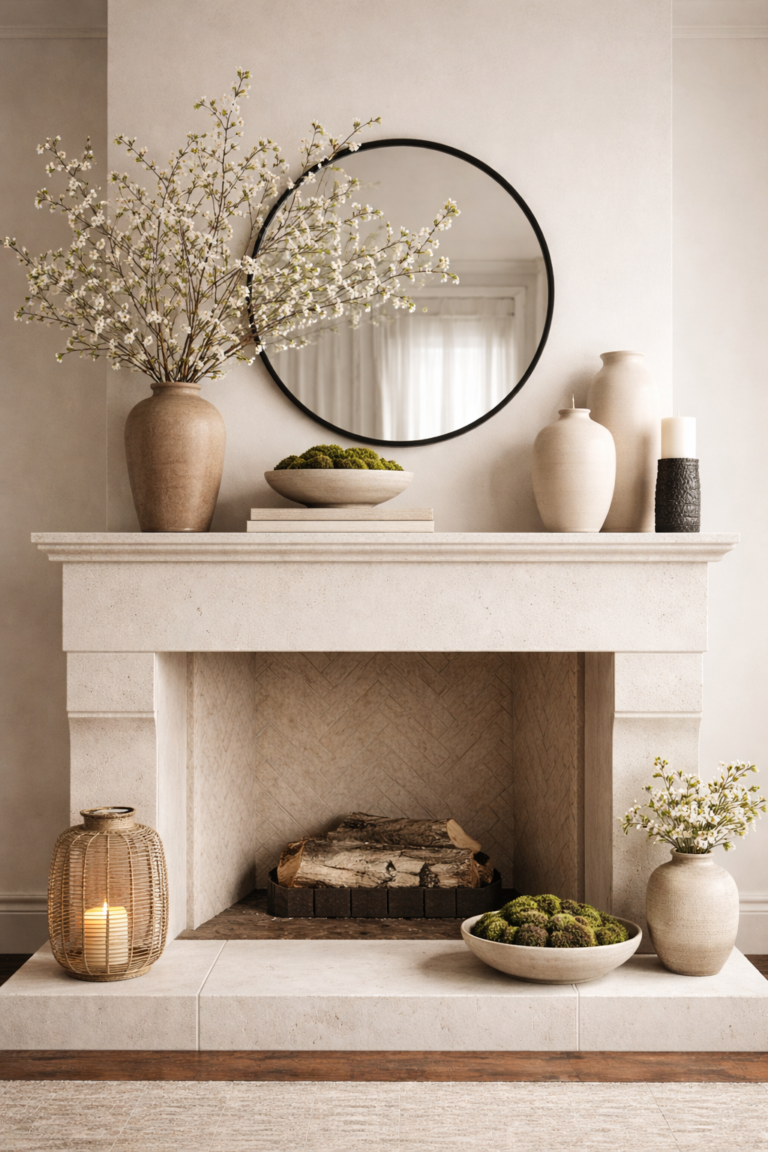
If every surface has multiple objects fighting for attention, the room loses clarity. Fewer, stronger styling moments always feel more expensive.
Dust-collecting filler décor
If it exists only to “fill space” and adds no beauty, texture, or intention, it is probably weakening the room instead of finishing it.
Worn throw pillows that have lost their shape
Flat, sagging, overstuffed, or faded pillows can make even a beautiful sofa feel tired. Edit down to the best ones only.
Heavy blankets you are no longer using
Winter-weight throws left draped everywhere can make a spring room feel dense. Keep one good layer and remove the rest.
Old seasonal stems or tired faux florals
Anything dusty, bent, faded, or no longer fitting the palette can make the home feel stale instead of styled.
Mismatched countertop bottles and packaging
Kitchen and bathroom counters instantly look more elevated when visual packaging clutter is reduced or concealed.
Too many small items on entry tables
An entry should feel like a soft first impression, not a holding zone for every small thing that came through the front door.
Framed pieces that no longer match the room
Artwork that is off in tone, scale, or mood can make the room feel disconnected. Spring is a good time to reassess what belongs.
Duplicate decorative objects
If you have three similar bowls, four similar vases, or multiple versions of the same accent in one room, reduce them.
Busy magnet, note, and paper clutter on appliances
The refrigerator and side panels quietly hold a lot of visual noise. A cleaner surface makes the whole kitchen feel calmer.
Decor that feels too theme-heavy
Spring styling looks richer when it feels subtle and seasonal, not literal or over-announced. Edit toward restraint.
Unused side-table objects
If a side table is holding old books, spent candles, random remotes, coasters, and décor all at once, the room will feel visually crowded.
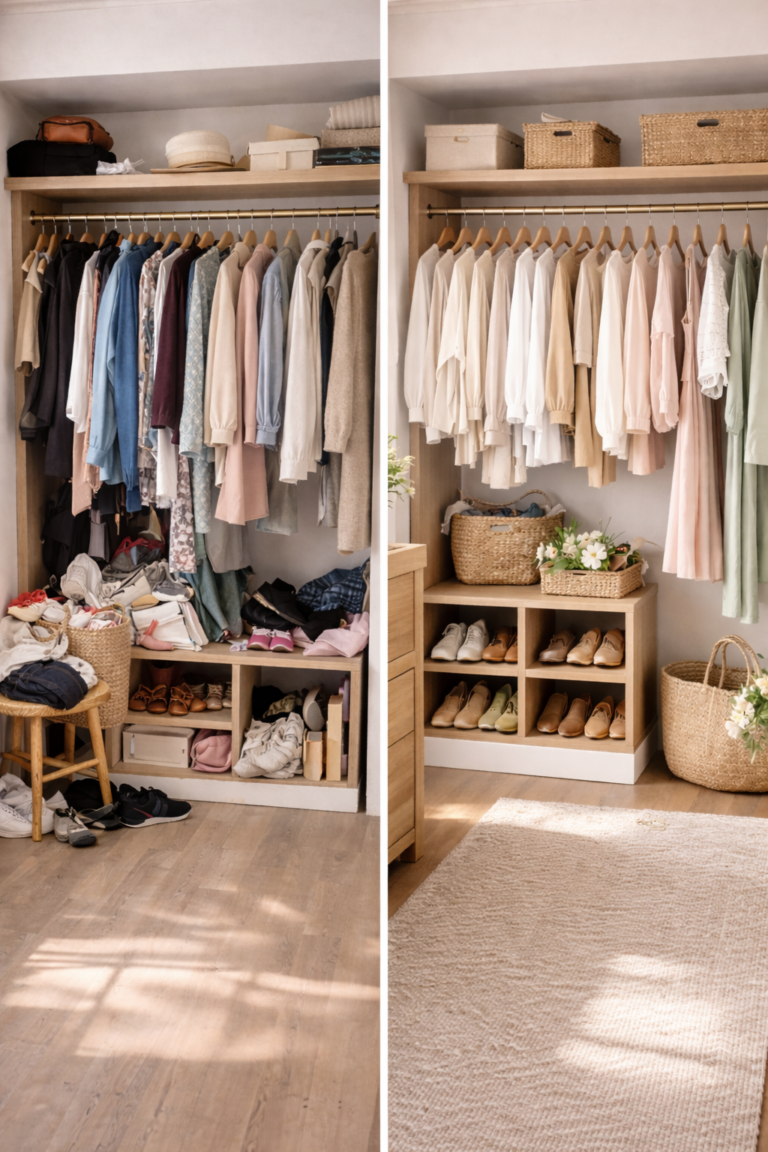
Open shelving that has become storage
Open shelves work best when they feel intentional. Once they become overflow space, they start dragging the whole room down.
Anything you stopped seeing
One of the best editing questions is simple: if you removed it, would the room actually look cleaner, lighter, or more elevated? Often the answer is yes.
How to use this list without turning it into a giant project
Do not walk through the whole house trying to hunt down every possible offender. Use this list like a filter, not a new assignment. Start in your highest-impact spaces — usually the living room, entryway, kitchen, and primary bedroom — and ask where one round of removal would instantly lift the room.
This works especially well when paired with a “one surface, one pass” rhythm. Choose one visible zone, remove what is dragging it down, wipe it clean, then restyle with far less. That is how a spring edit starts feeling luxurious instead of exhausting.
Editor notes: what expensive-looking rooms almost always have in common
They are edited
- the best pieces are visible
- decor is grouped with more intention
- surfaces are not overloaded
- there is room for light and texture to show up
They feel calm, not crowded
- the eye does not have to work too hard
- objects are there for a reason
- seasonal styling is restrained
- every visible corner does not ask for attention at once
Remove before you replace
This is one of the most important spring reset rules. You can often get the “new room” feeling before you buy a single new thing.
Look for visual drag
The item that is dragging a room down is not always the ugliest one. It is often the one that creates the most visual friction.
One elegant styling moment is enough
A tray, a vase, a candle, or a stack of books can carry far more weight when the rest of the room is no longer competing with it.
What to do after you remove these things
Wipe the surface
Cleaning the newly cleared area helps lock in the fresh feeling and makes the improvement feel complete.
Re-style lightly
Use fewer, better pieces. The goal is not to refill the space — only to finish it with intention.
Maintain the edit weekly
Once the clutter is gone, a quick routine keeps it from quietly returning. That is where the weekly reset comes in.
Read this next
The “No-Overwhelm” Declutter Method
The best follow-up if this list energized you but you still want a softer way to actually do the decluttering.
The 3-Zone Reset
Great next step if you want to turn quick visual edits into a broader room-by-room spring reset strategy.
The “Edit Your Home” Method
Read this once the clutter is gone and you want the room to feel more refined, restrained, and designer-styled.
FAQ: what to remove from your home this spring
What should I remove first to make my home look more expensive?
Why does removing things make a room look better so fast?
Do I need to redecorate after removing these things?
How do I know what is actually dragging the room down?
What should I read after this article?
The easiest spring upgrade is often removing what is dulling the room.
Use this list to make your home feel lighter and more elevated fast, then move deeper into the cluster for calm decluttering systems, whole-home reset structure, and designer-level styling.