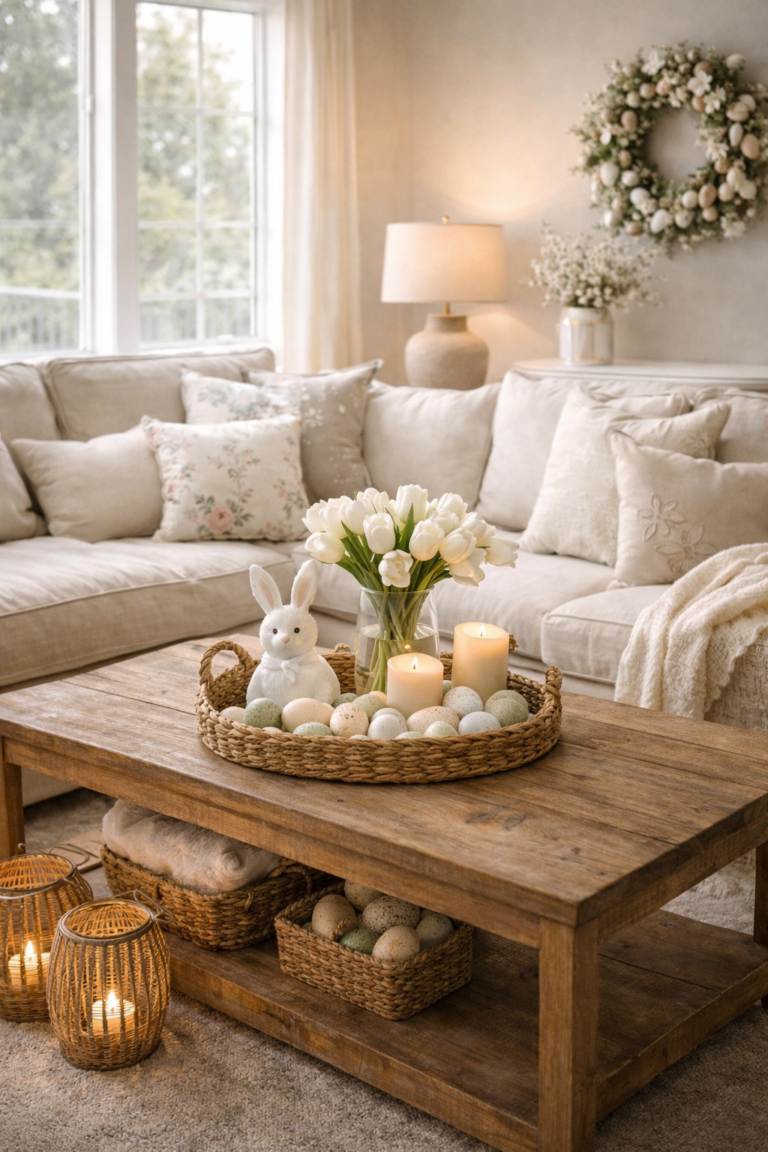
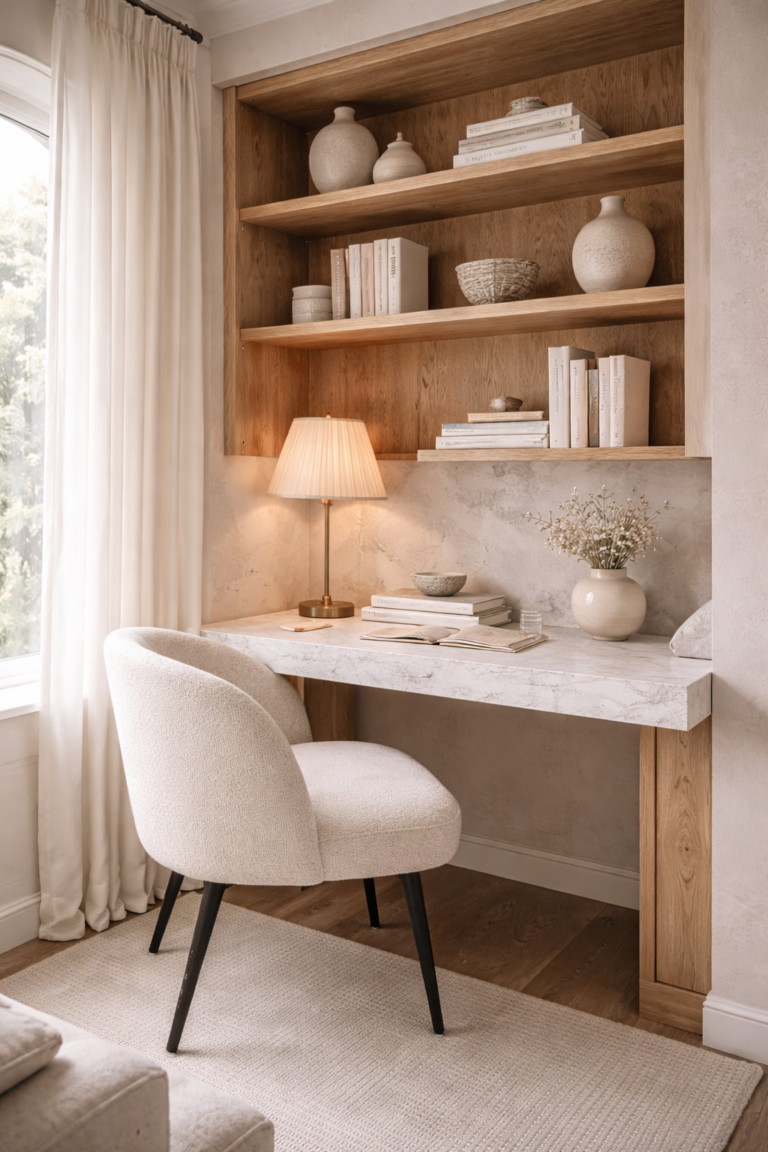
Timeless Design Foundations
Timeless Design Foundations
A timeless home isn’t about following trends or achieving perfection. It’s about creating spaces that feel grounded, balanced, and deeply livable — spaces that grow more beautiful with time rather than needing constant reinvention.
These design foundations are not rules, but guiding principles. When applied thoughtfully, they help create homes that feel calm, cohesive, and enduring, regardless of architectural style or personal taste.
What Does “Timeless Design” Really Mean?
Timeless design is often misunderstood as playing it safe or avoiding personality. In reality, timeless interiors are rich with character — they simply avoid the urgency of trends.
A timeless home:
- Feels intentional rather than styled
- Prioritizes proportion, materials, and comfort
- Evolves naturally instead of being redesigned every few years
At its core, timeless design is about restraint, balance, and longevity.
1. Prioritize Proportion and Scale
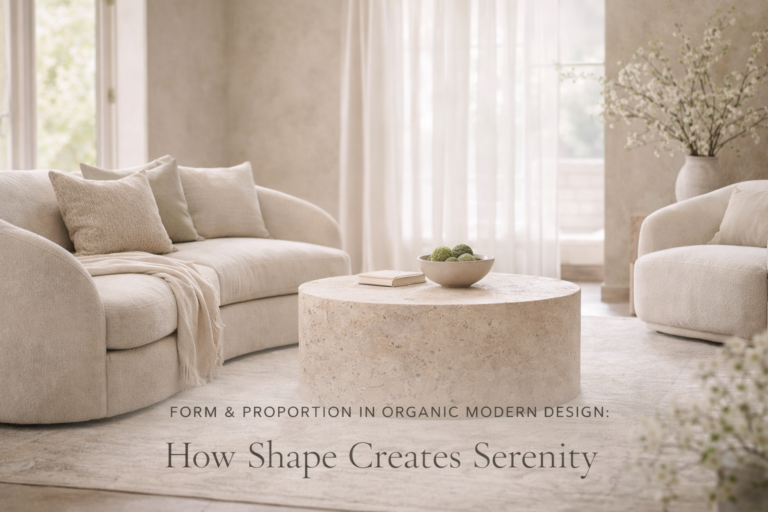
One of the most overlooked aspects of good design is proportion. A room can have beautiful furniture and still feel “off” if the scale isn’t right.
Timeless spaces pay close attention to:
- Furniture size relative to the room
- Ceiling height and visual weight
- Spacing between pieces
Oversized sofas in small rooms or under-scaled rugs in large spaces instantly date a home. When scale is right, a room feels calm — even before it’s fully styled.
Design tip: When in doubt, choose slightly larger rather than smaller. Proper scale adds quiet confidence.
2. Build on a Neutral, Flexible Foundation
Neutral does not mean boring. It means adaptable.
A neutral foundation allows a home to:
- Evolve with changing tastes
- Accommodate vintage and modern pieces
- Feel cohesive from room to room
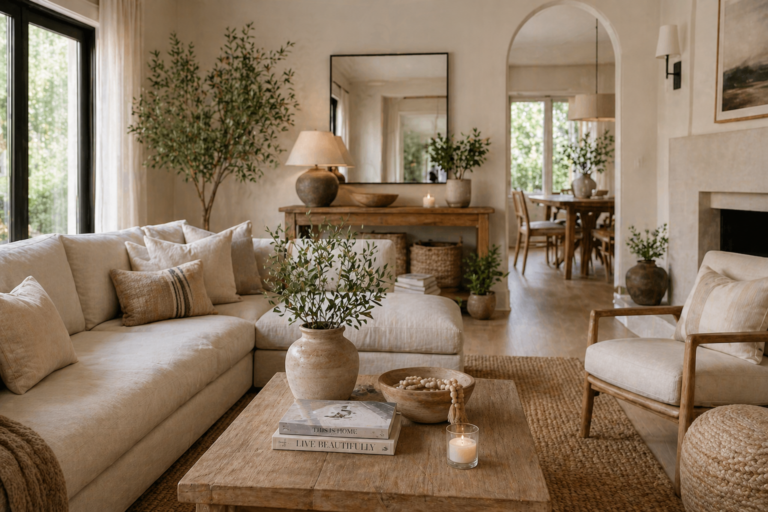
This doesn’t mean everything must be white or beige. Warm creams, soft grays, muted taupes, and natural materials create depth without visual noise.
Color is best introduced through:
- Art
- Textiles
- Accessories
- Seasonal layers
These are easy to change — architecture and large furnishings are not.
3. Choose Materials That Age Gracefully
Timeless homes favor materials that gain character over time, not ones that require perfection.
Think:
- Natural wood with visible grain
- Stone that patinas
- Linen and wool that soften with use
- Leather that develops warmth and wear
Highly processed or overly synthetic materials often look dated quickly. Natural materials tell a story — and that story deepens as the home is lived in.
Timeless design embraces wear. It doesn’t fight it.
4. Create Visual Rhythm, Not Symmetry Everywhere
Perfect symmetry can feel formal and static. Timeless spaces balance symmetry with rhythm.
This means:
- Repeating shapes, tones, or materials throughout a room
- Allowing subtle variation rather than exact matches
- Letting the eye move naturally through a space
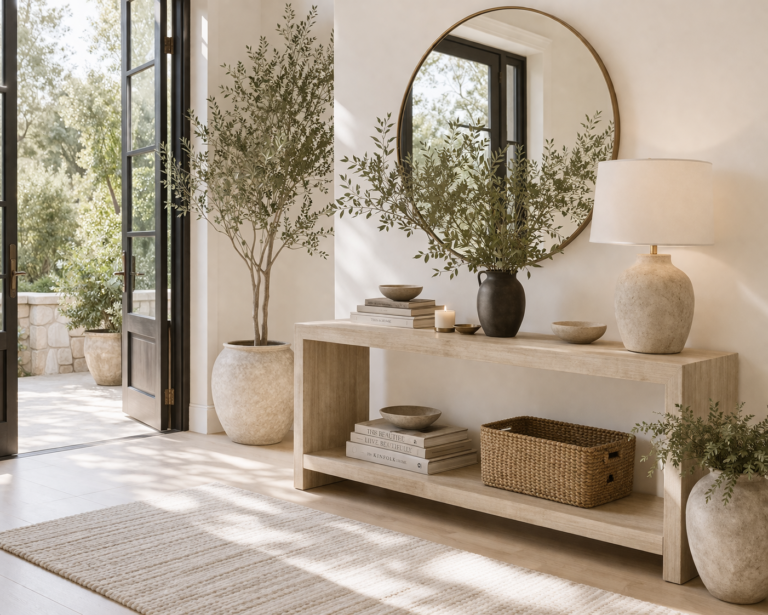
A pair of matching lamps may anchor a room, while art, objects, and seating create movement around them.
The goal isn’t sameness — it’s harmony.
5. Layer with Intention, Not Excess
Timeless interiors are never sparse, but they are edited.
Layering should feel:
- Purposeful
- Personal
- Restrained
Instead of filling every surface, choose fewer pieces with meaning:
- Objects collected over time
- Books that are actually read
- Art that reflects memory or emotion
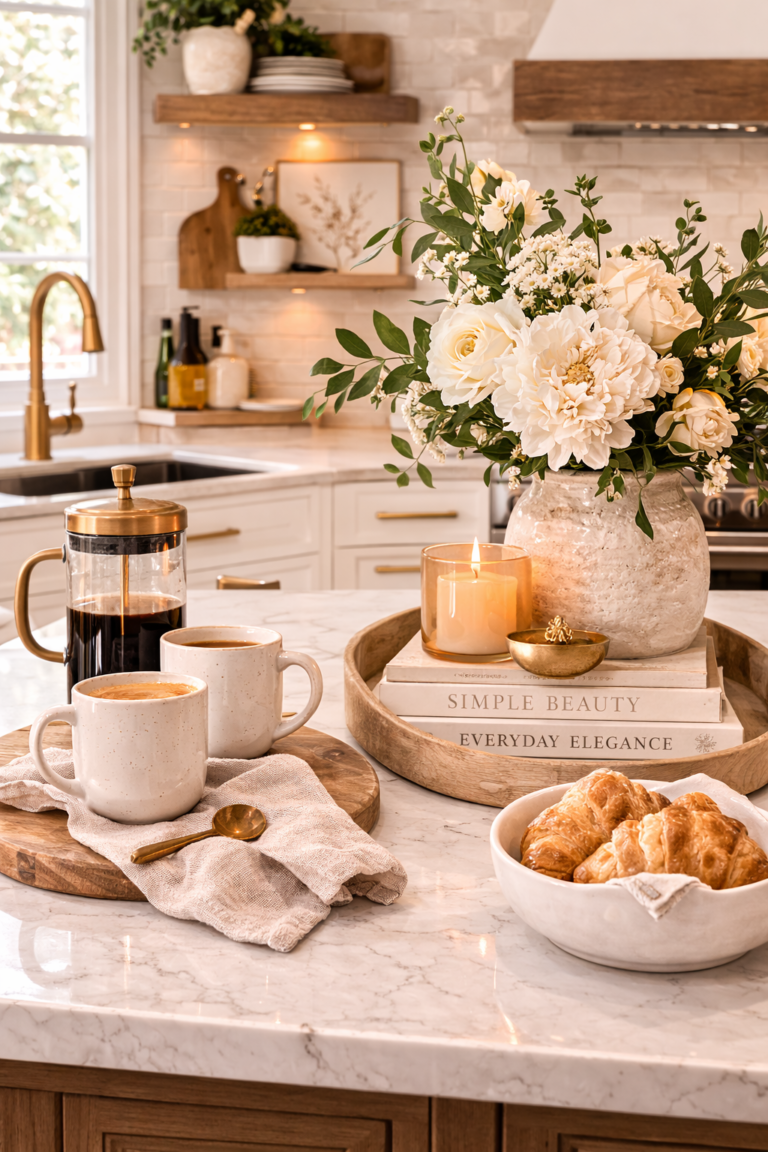
Over-styling dates a home faster than under-styling. A room should feel complete — not finished.
6. Let the Home Reflect How You Live
Above all, timeless design supports real life.
A beautiful home that isn’t functional will never feel enduring. Layout, storage, lighting, and comfort matter just as much as aesthetics.
Ask:
- How do we actually use this room?
- Where do we gather naturally?
- What needs to be easy here?
Homes designed around daily rhythms always feel more authentic — and authenticity is timeless.
Timeless Design Is a Long Game
The most beautiful homes aren’t created all at once. They are built gradually, with patience and intention.
Timeless design allows for:
- Change without disruption
- Personality without clutter
- Beauty without urgency
When the foundation is right, everything else falls into place — slowly, naturally, and with confidence.
What’s Next
In the following guides, we’ll explore:
- How to style a neutral home without it feeling flat
- Blending old and new pieces with intention
- Creating rooms that feel collected over time
- Choosing materials and finishes that truly last
Each builds on the principles above — because timeless design always starts with a strong foundation.