
Timeless design is not about perfection, nor is it about rigid rules. It is about creating spaces that feel balanced, comfortable, and deeply livable — rooms that grow more beautiful with time rather than requiring constant reinvention.
At its core, timeless design relies on a small set of enduring principles. When these essentials are understood and applied thoughtfully, a home begins to feel grounded, intentional, and quietly confident.
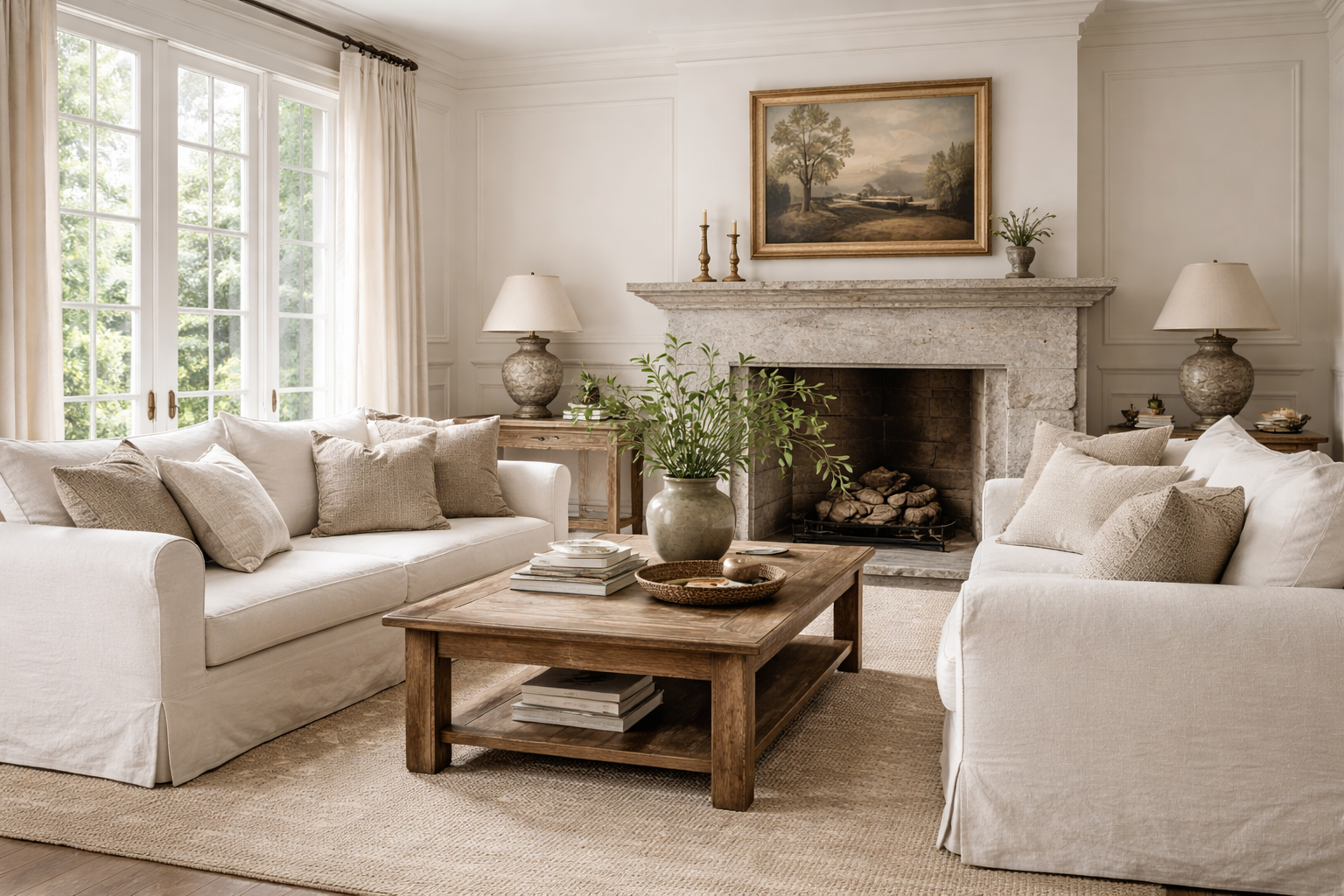
Proportion Before Decoration
Before color, before furniture, before accessories — proportion comes first.
Well-designed spaces feel right because the scale of the room, the furniture within it, and the relationship between elements are in harmony. A sofa that fits the room, a table that allows for ease of movement, lighting that relates properly to ceiling height — these decisions create comfort long before decoration enters the picture.
When proportion is correct, a room feels calm and balanced, even when it is minimally styled.
Balance Over Symmetry
Timeless interiors favor balance rather than strict symmetry.
While symmetry can be beautiful, it can also feel formal or static when overused. Balance allows a space to feel composed without becoming rigid — mixing visual weight through placement, texture, and scale rather than matching pieces exactly.
This approach creates rooms that feel natural and lived-in, rather than staged.
Material Honesty
Materials should be chosen for what they are — not what they imitate.
Wood should feel like wood. Stone should show its imperfections. Natural fibers should age gracefully. Timeless spaces celebrate authenticity, allowing materials to develop character rather than hiding wear or chasing perfection.
When materials are honest, a home feels rooted and enduring rather than trend-driven.
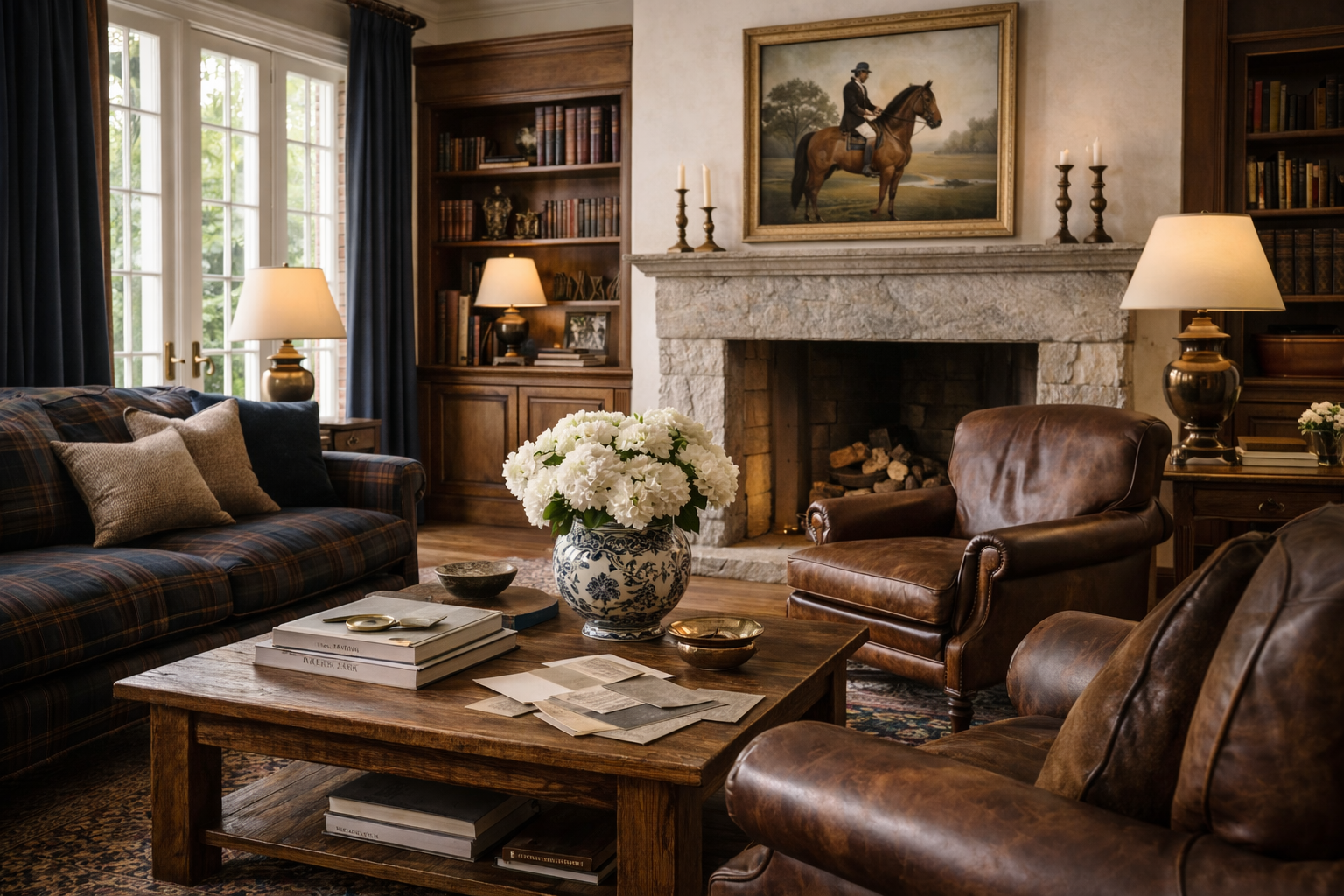
Restraint as a Design Tool
Restraint is not about emptiness — it is about intention.
Every element in a timeless space has a reason to be there. Fewer pieces, chosen carefully, allow each one to be appreciated. Negative space gives the eye a place to rest, and thoughtful editing prevents a room from feeling cluttered or overwhelming.
Restraint creates clarity, and clarity creates longevity.
How These Principles Show Up in Real Homes
In practice, these essentials reveal themselves quietly.
A living room feels inviting because the seating is scaled correctly and arranged for conversation. A bedroom feels restful because materials are soft, layered, and understated. A kitchen feels timeless because finishes are classic and proportions feel considered rather than flashy.
These spaces do not announce themselves. They simply feel right.
A Foundation, Not a Formula
The essentials of timeless design are not trends to follow or rules to enforce. They are foundations to return to — principles that support a home as it evolves over time.
When proportion, balance, material honesty, and restraint guide decisions, a home gains something far more valuable than style: it gains staying power.
← Back to Design