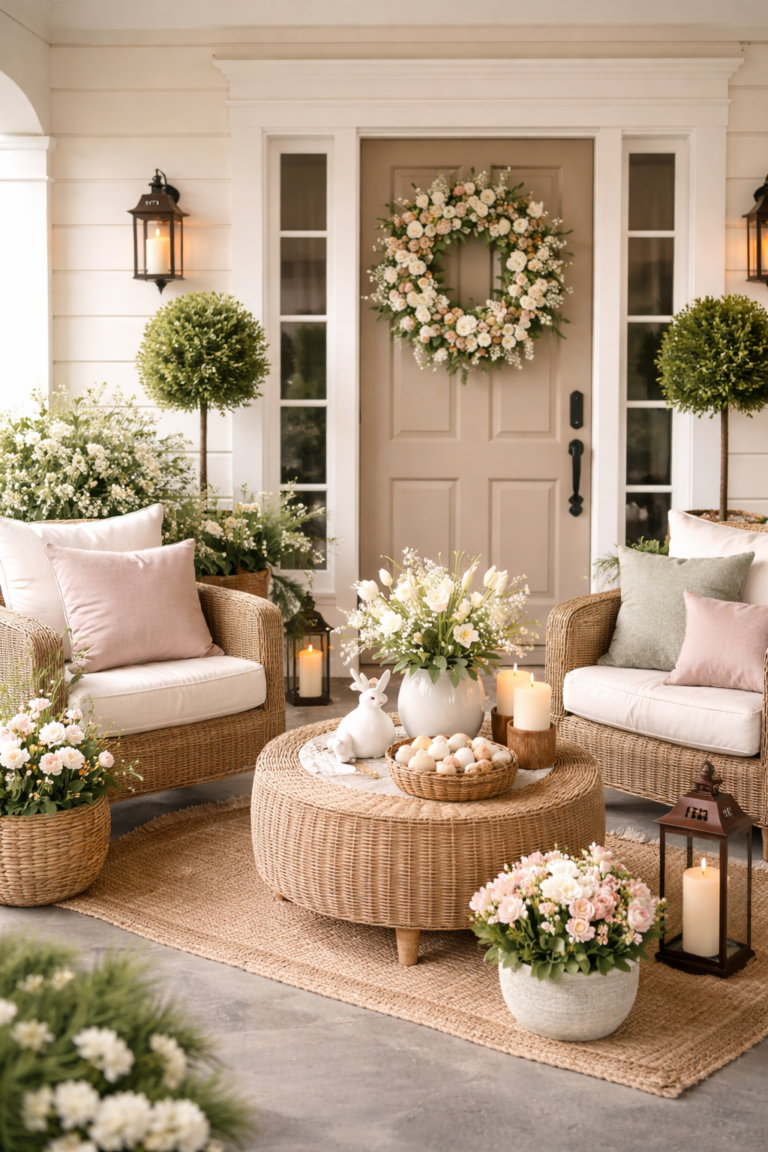
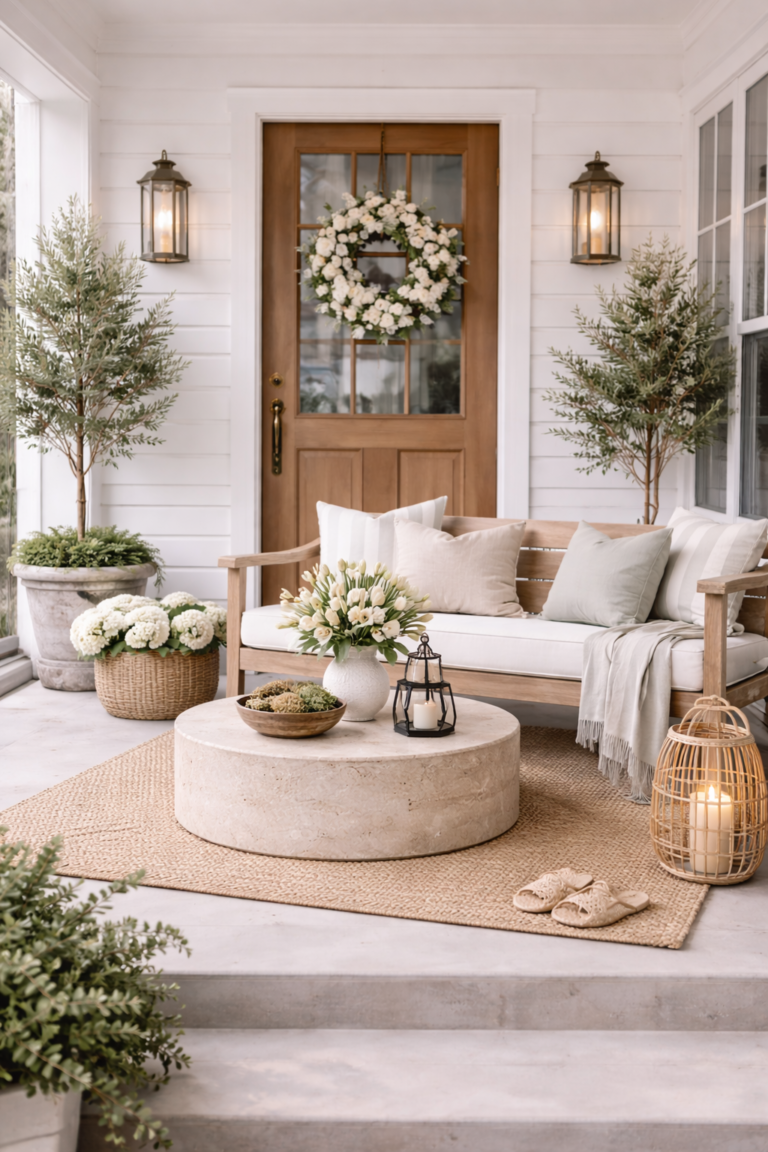
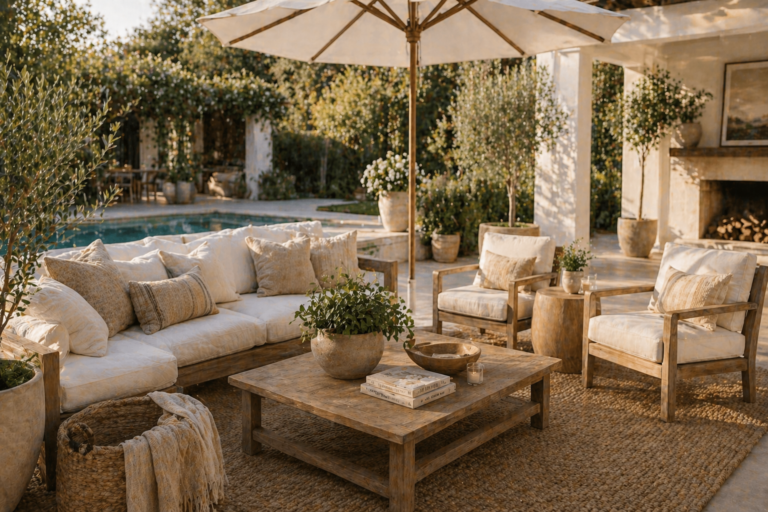
The Spring Reset: Transitioning Your Formal Dining Room from Winter to Light
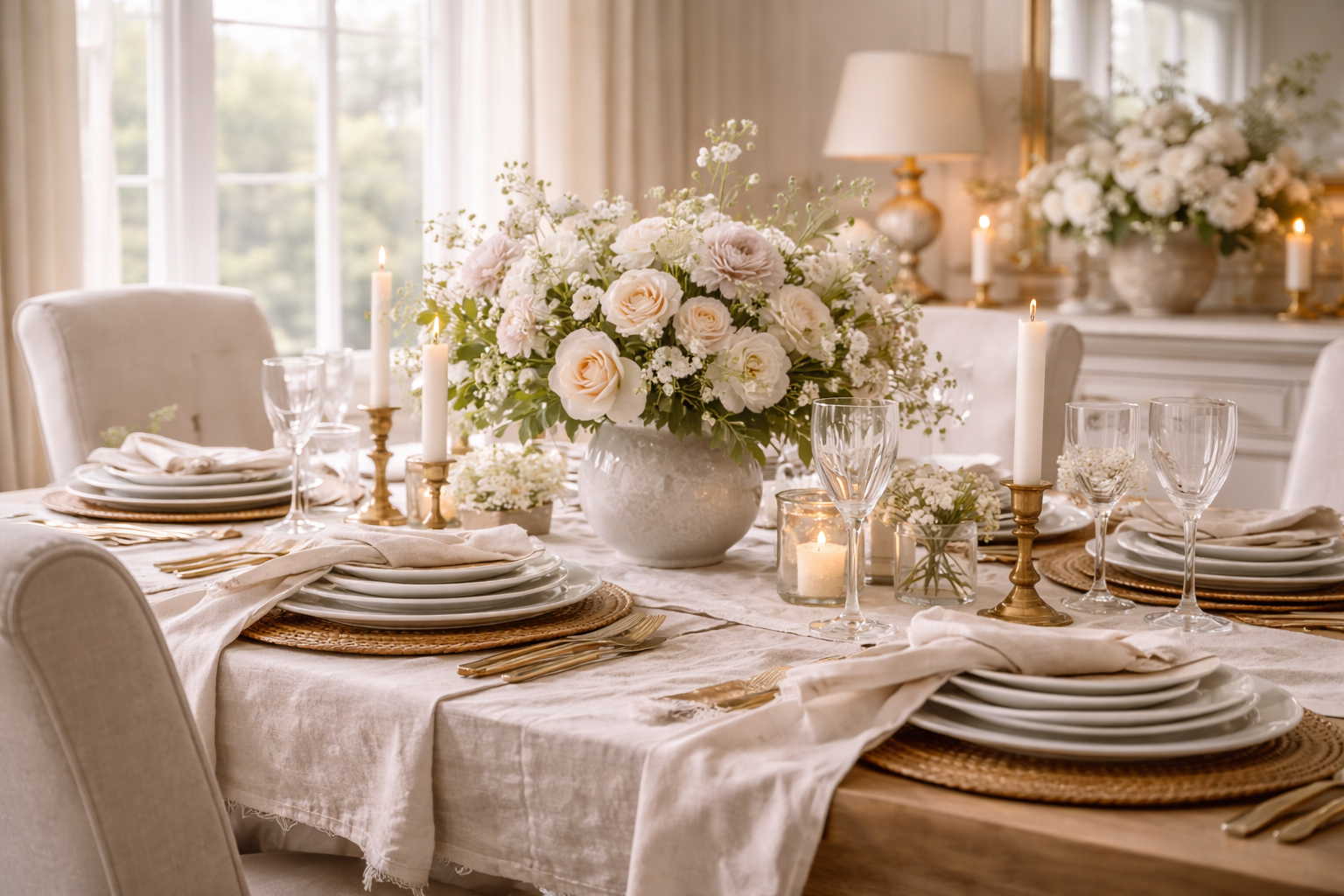
The Spring Reset: Transitioning Your Formal Dining Room from Winter to Light
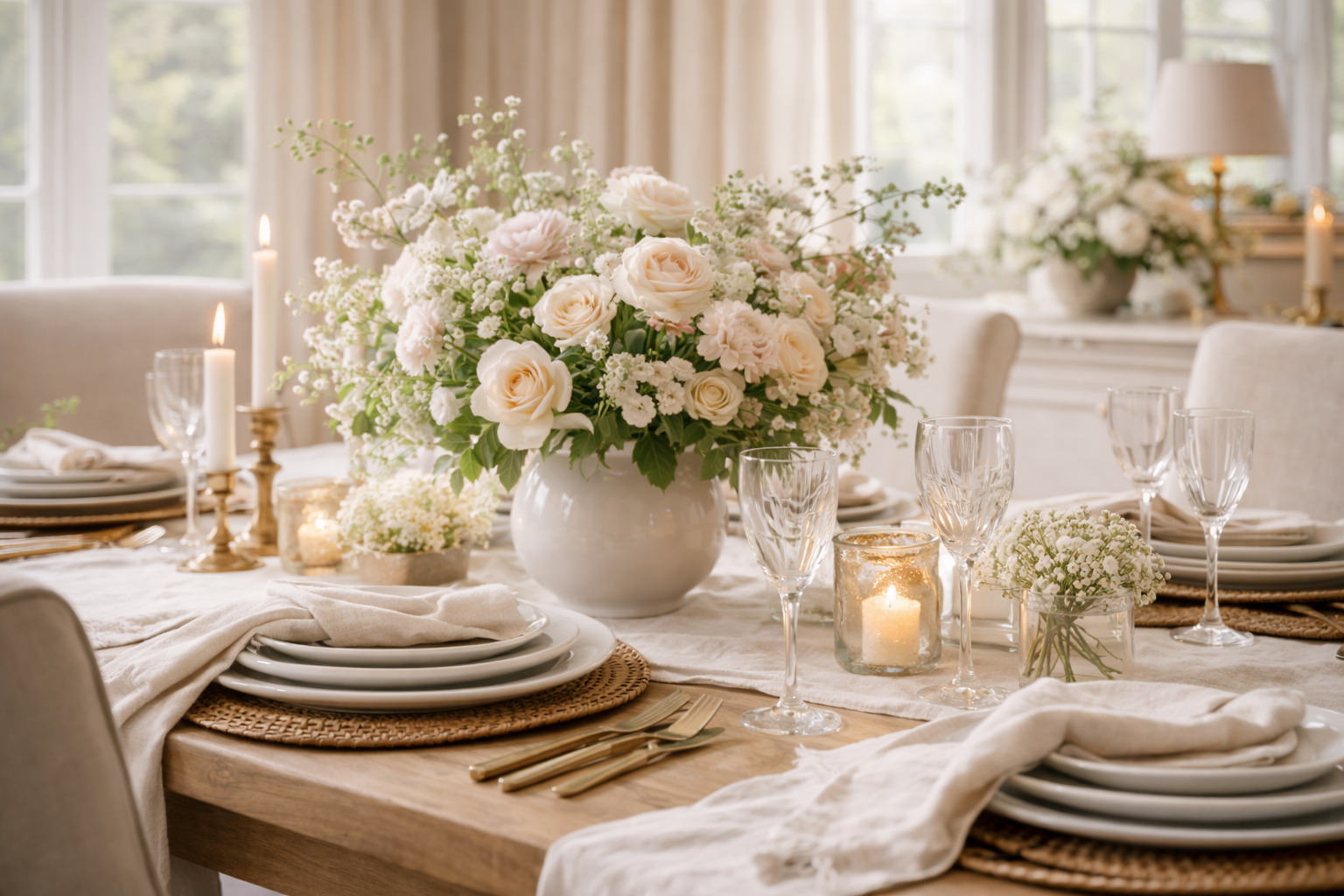
A polished, feminine refresh—less “seasonal décor,” more elevated atmosphere. Think linen, soft contrast, and the kind of light that makes the room feel new again.
The Spring Shift: From Cozy to Clean (Without Feeling Bare)
The most elevated spring dining rooms don’t look “decorated for a holiday.” They look edited—brighter, softer, and intentional. The secret is a three-part reset: remove visual weight, introduce breathable texture, and let light become the focal point.
Editor’s Note
If your formal dining room only gets used for gatherings, spring is the perfect time to style it for everyday beauty. A room that’s always “ready” feels like luxury—even when nothing is happening.
A Feminine Spring Palette That Still Feels Sophisticated
Spring doesn’t require pastels. The RH/Pottery Barn version of spring is quieter: warm ivory, soft blush undertones, muted sage, and a touch of champagne metal. This combination reads airy—without turning sweet.
| Winter Element | Spring Upgrade | Why It Works |
|---|---|---|
| Dark, heavy runner | Linen or cotton runner in ivory / oatmeal | Reflects light and softens the table’s “mass.” |
| Evergreen stems | Pale florals + airy greens | Creates movement; feels fresh without being loud. |
| Deep charcoal accessories | Stone, ceramic, or pale wood accents | Texture replaces color for a calmer look. |
| Warm amber candle cluster | One statement candle + lower profile holders | Less visual clutter; still cozy in the evening. |
-
Texture first: linen, woven fibers, matte ceramic, honed stone—these read “designer” even in neutral tones.
-
Finish edit: choose one metal family (warm brass/champagne is ideal for spring) and repeat it subtly.
-
Soft contrast: swap harsh black-and-white for charcoal + ivory or warm taupe + cream.
The Tabletop Reset: A Centerpiece That Feels Effortless
A formal dining table needs negative space. That’s what makes it feel high-end. Instead of filling the surface, design a single, long “line” down the center—then keep the edges clean.
A simple formula that always looks elevated
-
Base layer: a linen runner or two overlapping linen mats (soft, relaxed, not crisp).
-
Anchor: one low bowl or tray in stone/ceramic to “ground” the look.
-
Height: a single vase of pale florals (keep it airy; avoid dense bouquets).
-
Glow: one candle or a pair of slim holders—warm light, minimal footprint.
The “No-Seasonal” Rule
If an item would look out of place in May or June, skip it. The goal is a room that feels like spring because it’s lighter, not because it’s themed.
Light + Air: The Two Changes That Make the Room Feel New
Spring dining rooms are defined by what you remove: heavy fabric, dark contrast, and visual noise near the windows. Let the architecture and natural light do the work.
Three quick shifts that change everything
-
Sheer layer: add a linen-like sheer (even behind existing panels) to soften daylight and make the room glow.
-
Bulb temperature: keep evening light warm and flattering—spring styling looks best under a soft, golden tone.
-
Reflective point: introduce one reflective surface (mirror, framed art glass, or a subtle metallic) to bounce light.
The 1-Hour Spring Reset Checklist
Short on time? This is the “minimum effective dose” that still reads elevated. Start here, then refine over a weekend.
Clear the tabletop completely and reintroduce only one runner + one centerpiece line.
Swap one heavy element (dark runner, dense stems, oversized candle cluster) for a lighter version.
Open the window area visually: remove clutter on sills/nearby surfaces and let light be the feature.
Add a single floral moment with soft color (blush/cream) + airy greens—keep it loose, not tight.
Set the evening mood: one candle or two slim holders + warm bulbs so it still feels intimate at night.
FAQ: Formal Dining Room Spring Transitions
How do I decorate for spring without making the dining room look “seasonal”?
Focus on light, texture, and negative space. Swap heavy winter pieces (dark runners, dense greenery, oversized candle clusters) for linen, pale ceramics, and airy florals. The room should feel springlike because it’s edited and bright—not because it’s themed.
What colors look best in a formal dining room for spring?
The most elevated palettes are soft and sophisticated: warm ivory, oatmeal, muted blush, sage, and accents in champagne brass or warm antique gold. Keep contrast gentle—charcoal over black.
How do I style a long formal dining table for spring?
Build a single “center line” and keep edges clean. Use one linen runner, a low stone/ceramic anchor, one airy vase of florals, and minimal candlelight. Avoid multiple competing focal points—long tables look best when the styling is calm and continuous.
What’s the best centerpiece height if the room is used for dinners?
Keep the main arrangement low to mid-height so conversation stays easy. If you love height, use one taller element off-center (or in a narrow vase), and pair it with low pieces so the overall silhouette stays light.
How do I keep a formal dining room feeling warm while making it lighter?
Warmth comes from texture and lighting, not visual weight. Keep linen, woven fibers, and matte ceramics, then add warm bulb temperatures and one candle moment. The room can be bright and still feel intimate at night.